
Belt conveyors are a cornerstone of modern material handling, enabling efficient movement of goods across industries ranging from manufacturing and logistics to food processing and packaging. As demand for higher efficiency, reliability, and safety grows, engineers continue to innovate in belt conveyor design, incorporating new materials, automation technologies, and energy-saving solutions. Understanding these innovations can help businesses optimize operations and reduce costs.
Advanced Belt Materials
One of the most significant areas of innovation in conveyor design is the use of advanced belt materials. Modern belts are increasingly made from high-strength polymers, composites, and heat-resistant fabrics, allowing them to handle heavier loads, higher speeds, and more extreme environmental conditions. These materials improve durability, reduce maintenance costs, and extend the operational life of conveyor systems.
Specialized belts with anti-static, food-grade, or abrasion-resistant properties are also becoming standard, enabling safer and more efficient handling in industries such as pharmaceuticals, food packaging, and electronics manufacturing.
Modular and Flexible Conveyor Systems
Traditional conveyors were often rigid and difficult to reconfigure. Today, modular and flexible designs allow operators to adjust conveyor layouts quickly in response to changing production needs. Modular belts can be replaced or rearranged without extensive downtime, improving operational flexibility. Curved, inclined, or spiral conveyor modules further enhance space utilization and material flow in crowded production facilities.
Automation and Smart Technologies
Integration of automation and smart technologies has transformed belt conveyor systems. Sensors, IoT devices, and AI-powered monitoring systems enable real-time tracking of products, predictive maintenance, and performance analytics. Smart conveyors can detect jams, misalignments, or belt wear, automatically adjusting speed or alerting operators to potential issues.
This level of automation not only increases efficiency but also reduces operational risks and labor costs. Some advanced systems even communicate directly with other automated equipment, creating fully synchronized production lines.
Energy Efficiency Innovations
Energy efficiency has become a key focus in modern belt conveyor design. Variable frequency drives (VFDs), low-friction rollers, and energy-efficient motors help reduce electricity consumption while maintaining consistent performance. Regenerative drives can even recover energy during braking, returning it to the facility’s power grid.
Optimizing conveyor layout and minimizing unnecessary belt travel also contribute to energy savings, making systems more sustainable and cost-effective in the long term.
Noise Reduction and Safety Enhancements
Innovations in conveyor design increasingly focus on improving workplace safety and reducing noise. Low-noise belt materials, sound-dampening rollers, and vibration reduction techniques help create quieter production environments.
Safety features such as emergency stop systems, guardrails, and advanced sensors that detect human presence near moving parts ensure compliance with modern occupational safety standards. These features are especially critical in industries where conveyors operate at high speeds or carry heavy loads.
Specialized Applications
Modern belt conveyors are now tailored to handle specific industrial needs. For example:
- Food and Beverage – Sanitary designs with easy-to-clean surfaces and corrosion-resistant materials.
- Packaging and E-commerce – Conveyors integrated with labeling, scanning, and sorting systems.
- Heavy Industry – High-capacity conveyors capable of transporting bulk materials like coal, minerals, or scrap metal.
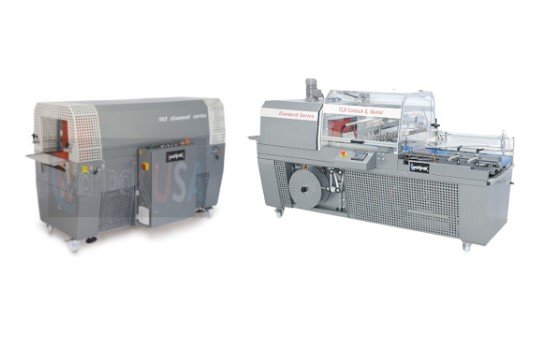
In packaging industries, belt conveyors often work in tandem with machinery such as POF shrink film machines or shrink wrap systems, allowing smooth, continuous packaging operations with minimal manual intervention.
Predictive Maintenance and IoT Integration
Another major innovation is predictive maintenance powered by IoT and AI. Sensors embedded in belts, rollers, and motors monitor vibration, temperature, and alignment in real time. Data is transmitted to central systems for analysis, allowing maintenance teams to address potential failures before they lead to costly downtime. Predictive maintenance not only reduces operational disruptions but also extends the lifespan of conveyor components.
Conclusion
Belt conveyor design has evolved far beyond its traditional role as a simple material transport system. Modern innovations, including advanced belt materials, modular designs, automation, energy efficiency, and safety enhancements, have transformed conveyors into intelligent, reliable, and flexible components of modern production facilities.
Industries ranging from food processing to heavy manufacturing can now leverage these innovations to improve efficiency, reduce energy consumption, and maintain safe working environments. Integration with specialized machinery like machine shrink wrap further demonstrates the versatility of modern belt conveyors. By adopting the latest conveyor technologies, businesses can optimize operations, improve ROI, and maintain a competitive edge in today’s fast-paced industrial landscape.
 David Martinez
  Kate Willson