
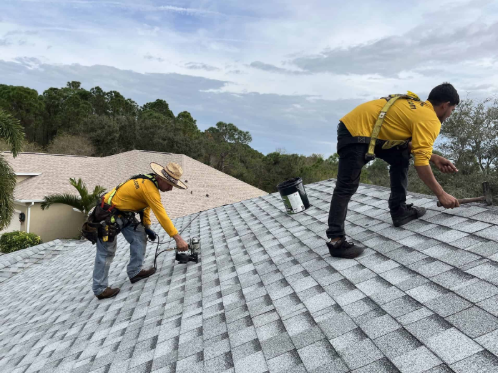
Your roof is one of the most important components of your home, providing protection from the elements and contributing to the overall energy efficiency and aesthetic appeal of your property. Asphalt shingles are among the most popular roofing materials due to their durability and cost-effectiveness. However, like all materials, they have a limited lifespan. Over time, asphalt shingles may start to show signs of wear and tear that indicate it’s time for a replacement. If you’re wondering whether your roof is due for a roof replacement or if simple repairs will suffice, it’s essential to understand the key signs that your asphalt shingles are beyond repair. In this blog, we’ll explore those signs in detail, helping you make informed decisions about your roof’s maintenance and replacement needs.
1. Curled or Cracked Shingles
The Impact of Age and Weather
Asphalt shingles naturally experience wear over time, and one of the most visible signs of aging is curling or cracking. These issues can be exacerbated by extreme weather conditions such as high winds, hail, or heavy rain. When shingles curl at the edges or develop cracks, they can no longer provide the level of protection your roof requires.
What This Means for Your Roof
When your shingles begin to curl or crack, water can easily infiltrate the roof, leading to leaks, water damage, and further deterioration. While occasional curling or cracking may be fixed with targeted repairs, extensive damage across large sections of your roof often signals that it’s time for a full replacement.
2. Missing Shingles
Common Causes of Missing Shingles
Whether due to severe storms, wind damage, or general wear, missing shingles are a clear indicator that your roof needs attention. Asphalt shingles can easily be dislodged from the roof deck, especially if they have become brittle over time.
Why Missing Shingles Are a Red Flag
If a few shingles are missing, it might seem like a small issue, but even a small gap in your roof can lead to significant water damage. Without the protection of shingles, the underlying roofing materials are exposed to the elements, which increases the likelihood of leaks, mold growth, and more expensive repairs down the line.
3. Granule Loss
Understanding the Granule Layer
Asphalt shingles are covered with tiny granules that serve to protect the roof from UV rays and add texture. Over time, these granules can wear off due to age, weather, or poor installation.
How Granule Loss Affects Roof Integrity
If you notice a significant amount of granules in your gutters or on the ground around your home, this is a clear sign that your shingles are deteriorating. Granule loss leads to decreased UV protection, which causes the shingles to become more brittle and prone to cracking. A roof with widespread granule loss is likely beyond repair and should be replaced.
4. Sagging Roof Deck
The Dangers of a Sagging Roof
A sagging roof deck is one of the most concerning signs that your roof is in need of a replacement. This can occur when the roofing materials have absorbed too much moisture over time, causing the decking beneath the shingles to weaken and sink. In some cases, sagging can also be caused by structural issues with the framing or excessive weight from snow and ice accumulation.
Why You Shouldn’t Ignore a Sagging Roof
If your roof is sagging, it can pose serious structural risks. Not only does it signal that the shingles are no longer effective, but it can also indicate that the integrity of the roof is compromised. Delaying repairs or replacement could result in a more expensive asphalt shingle repair job or even put your home at risk of a collapse in extreme cases.
Conclusion
Your roof plays a vital role in protecting your home, and when it starts showing signs of damage, it’s crucial to take action. From curling or cracked shingles to missing granules and water leaks, there are several indicators that your asphalt shingles may be beyond repair. If you’re experiencing any of the issues mentioned above, it’s essential to consult with a roofing professional who can assess the extent of the damage and recommend the best course of action. In many cases, replacing your roof is the most effective solution to ensure the long-term safety, efficiency, and value of your home.
 Renuka
  David Martinez