
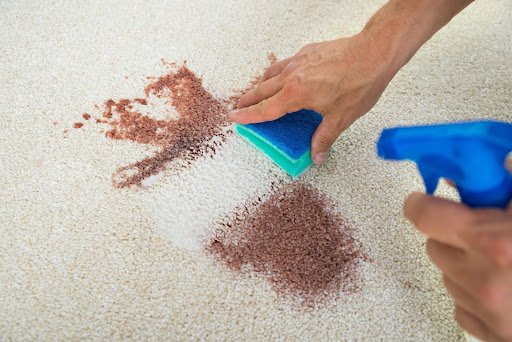
Every homeowner and facility manager eventually hits the same wall: the carpet still has good pile, no rips, no wear patches, but the colour has gone patchy, sun-bleached, or just plain wrong for the room. That’s the exact moment where people either call a demolition crew or, smarter, start looking for the best carpet dyeing service company to bring the colour back without ripping anything up. It’s a decision that can save thousands of dirhams, weeks of downtime, and a landfill’s worth of perfectly good fibre, but only if you know when dyeing is actually the right call and when it isn’t.
The Real Difference Between Dyeing and Replacing
Replacement is the nuclear option. You tear out the old carpet, haul it away, buy new material, pay for installation, and live with the disruption, furniture moved, rooms sealed off, sometimes a full day or two of your space being unusable. Dyeing, on the other hand, is a restoration play. Technicians strip or correct the existing colour and reapply pigment matched precisely to your original shade, a custom tone, or a completely new palette.
No tear-out, no new underlay, no waiting on delivery trucks. In most cases, the carpet is walkable again within hours. That said, dyeing isn’t a magic fix for every carpet problem. It corrects colour. It does not rebuild crushed pile, patch burn holes, or reverse structural wear from years of foot traffic. Knowing that distinction is where the decision actually starts.
When Dyeing Is the Smarter Move
- The carpet is structurally sound but visually tired: If the pile is intact, the backing is solid, and the only complaint is fading, yellowing, or an outdated colour, dyeing solves the problem at a fraction of replacement cost. This is the single most common scenario where clients search for a carpet colour fixing solution in Dubai, often after realising their carpet has bleached from constant sun exposure through floor-to-ceiling windows, a near-universal issue in the city’s high-rise apartments and villas.
- Sun fading or water staining has discoloured specific zones: UV exposure, spilled bleach, pet accidents, or old water damage often leave uneven patches rather than ruining the whole carpet. Dyeing can target those exact zones and blend them seamlessly into the surrounding colour, which is far more cost-effective than replacing an entire room’s flooring over a two-metre stain.
- You’re rebranding a commercial space: Hotels, offices, and retail units frequently need to match new interior schemes, corporate colours, or seasonal branding. Dyeing an existing commercial-grade carpet to a new shade is dramatically cheaper than re-carpeting an entire floor, and it avoids the operational headache of closing a business area for installation.
- You want to extend the life of a high-quality carpet: Premium wool or nylon carpets are expensive to replace but often outlast their original colour by years. If the fibre quality is still there, dyeing lets you keep that investment working instead of scrapping it over a cosmetic issue.
- Sustainability and budget both matter: Dyeing keeps existing material out of landfill and avoids the manufacturing footprint of new carpet production. For clients balancing environmental concerns with tight renovation budgets, it’s often the only option that satisfies both.
When Replacement Is Genuinely the Better Call
Dyeing has limits, and a reputable provider should tell you honestly when you’ve hit them.
- Worn-out pile or matting: If the fibres are crushed flat, frayed, or thinning from years of heavy traffic, dye won’t restore texture or bounce. You’ll get a nicer colour on a carpet that still looks and feels old.
- Structural damage: Rips, burns, mould contamination, or backing that’s disintegrating need replacement, not colour correction.
- Multiple carpet types or ages in one space: Dyeing works best on a single, consistent carpet. If you’re dealing with patched-in sections from different eras or fibre types, colour uptake can vary unpredictably.
- You want a different pile height or texture, not just colour: Dyeing changes hue, not the physical structure of the carpet. If you’re after a plush cut-pile look on what’s currently a flat loop carpet, that’s a replacement job.
Why the Decision Should Never Be a Guess
This is where working with an established name pays off. A rushed assessment can lead to dyeing a carpet that was already past saving, or worse, replacing one that had years of life left in it. Professionals inspect fibre condition, backing integrity, and colour absorption before recommending either path, and they’ll say so plainly if dyeing won’t hold up.
The Cost and Time Reality
On average, dyeing costs a fraction of full replacement, often somewhere between 30–50% less, depending on carpet size, fibre type, and the complexity of the colour match. Timeline-wise, most residential jobs are completed in a single day, with commercial spaces scheduled around business hours to avoid disrupting operations. Replacement, by comparison, usually means sourcing new material, coordinating installation crews, and living with an unusable room for several days at minimum.
Conclusion
Dyeing is worth considering when a carpet is still in good condition, but its colour no longer works for the space. Rather than treating replacement as the automatic answer, an honest inspection can determine whether the existing carpet can be restored. The right approach depends on its condition, fibre, and level of discolouration. For Dubai property owners, professional colour restoration can therefore be a practical option when the goal is to refresh a usable carpet instead of replacing it unnecessarily.
The decision to dye or replace a carpet should start with its actual condition, not assumptions. MoonLightCarpet provides professional carpet dyeing and colour restoration services in Dubai. The company works with property owners seeking to refresh faded, stained, or discoloured carpets. Its services focus on assessing carpet condition and applying appropriate colour treatment methods to help restore appearance while avoiding unnecessary replacement where possible.