
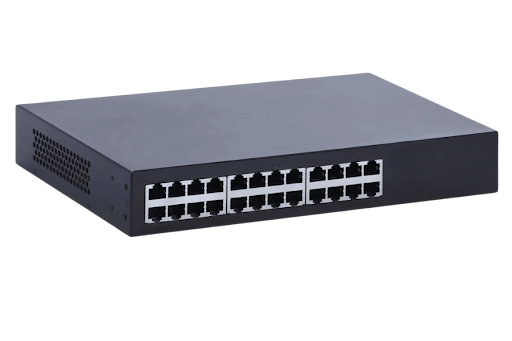
Networking switches become surplus when organizations upgrade infrastructure, consolidate data rooms, or replace aging hardware. Keeping unused units in storage can occupy valuable space while their resale potential gradually changes. A structured disposal process allows businesses to evaluate equipment properly and determine whether working, outdated, faulty, or nonfunctional units can still generate value through resale or responsible recycling.
For organizations comparing a top networking switch buyer in Dubai, several factors deserve attention beyond the offered price. Equipment evaluation, collection arrangements, payment procedures, responsible recycling, and secure handling can influence the overall transaction. A suitable buyer should also understand bulk quantities and provide a straightforward process that reduces operational effort for companies clearing networking inventories.
Why Businesses Sell Surplus Networking Switches
Surplus switches commonly appear after network modernization projects. Organizations may replace older hardware with newer infrastructure while perfectly usable units remain in storage. Data center closures, office relocations, system upgrades, and inventory consolidation can also leave businesses with considerable quantities of equipment that no longer serve an operational purpose.
Selling these assets can provide financial recovery while reducing storage requirements. Instead of allowing obsolete hardware to occupy cabinets or warehouse areas, companies can arrange evaluation and collection based on equipment type, condition, quantity, and current market considerations. A professional transaction also creates a more organized route for hardware that has reached the end of its useful service life.
What Determines the Value of Networking Switches
A networking switch does not have one fixed resale value. Several technical and commercial characteristics influence how a buyer assesses each lot. Brand, model, specifications, physical condition, functionality, age, quantity, and prevailing demand can all affect the eventual offer. Working enterprise equipment may have different value considerations from damaged or obsolete units.
Businesses can improve the evaluation process by preparing accurate information before requesting an assessment. Useful details can include:
- Manufacturer and model numbers
- Approximate quantity available
- Working, faulty, or untested condition
- Available accessories or related components
- Storage location and pickup requirements
Clear information allows the buyer to understand the inventory before collection and helps minimize surprises during the final assessment.
Types of Networking Switches Businesses May Have
Networking inventories can contain several categories of equipment accumulated over different infrastructure cycles. Some businesses may hold enterprise-grade units removed during upgrades, while others may have standard switches retained as surplus stock. Older devices can still have material or recovery value even when they are no longer suitable for deployment.
Enterprise Networking Switches
Enterprise switches are commonly deployed in larger organizations and network environments. Their capacity, configuration, and hardware specifications can influence market interest, particularly when units remain functional and identifiable. Businesses should retain model information because accurate identification supports a more informed evaluation.
Used and Surplus Switches
Used switches can originate from office upgrades, network replacements, or inventory changes. Their condition should be described accurately, especially when equipment has not been tested recently. Functional surplus units may have reuse potential, while older hardware can be directed toward appropriate recovery or recycling channels.
Faulty and Obsolete Units
Nonfunctional equipment should not automatically be treated as worthless. Damaged or outdated switches can contain recoverable components and materials. A proper assessment determines whether an item has reuse potential, component value, or a more suitable recycling route based on its condition and characteristics.
How Bulk Switch Disposal Can Be Organized
Large quantities require more planning than an individual equipment sale. Businesses may need to coordinate inventory preparation, transportation, collection timing, evaluation, and payment while keeping normal operations running. A structured workflow can make the transition considerably easier for IT departments, facility teams, and procurement personnel.
The first step is usually to identify the equipment and estimate the size of the lot. The organization can then provide relevant details to the buyer and arrange a convenient collection. After pickup, the equipment can be evaluated according to its condition and market characteristics. This approach helps establish clearer expectations before the transaction progresses.
What Businesses Should Look for in a Buyer
Selecting a buyer involves more than comparing individual offers. A dependable provider should have processes suitable for commercial quantities and should be able to coordinate collection without creating unnecessary administrative work. Businesses should also consider how equipment will be handled after acquisition, particularly when hardware is outdated or unsuitable for further use.
Important considerations include:
- Bulk collection: Pickup support can simplify large equipment clearances.
- Fair evaluation: Offers should reflect equipment condition and relevant market factors.
- Secure handling: Networking hardware should be managed responsibly during the disposal process.
- Responsible recycling: Equipment that cannot be reused should enter an appropriate recycling pathway.
- Transparent payment: Clear payment arrangements help businesses close transactions efficiently.
These factors can help organizations distinguish a practical long-term disposal partner from an unsuitable buyer.
Why Responsible Recycling Matters for Network Hardware
Electronic equipment contains materials that should not simply enter ordinary waste streams. Networking switches contain circuit boards, wiring, metals, plastics, and other components that can be recovered through suitable recycling processes. Responsible processing reduces unnecessary disposal while supporting material recovery.
Data security also deserves consideration when networking hardware is retired. Depending on the equipment and its configuration, organizations may need to ensure sensitive information is properly handled before devices leave their control. A documented approach to data handling can help reduce exposure during equipment retirement, particularly when networking assets form part of larger IT infrastructure.
Final Thoughts
Could surplus networking equipment become an opportunity instead of a storage burden? When businesses have substantial quantities of retired switches, choosing an experienced buyer can simplify evaluation, pickup, payment, and responsible recycling. E-Waste IT Recycling provides free bulk pickup across Dubai and the UAE, evaluates IT assets based on condition and market standards, and offers immediate payment through cash or bank transfer. Its services cover networking switches alongside servers, routers, laptops, desktops, hard drives, SSDs/HDDs, motherboards, printers, projectors, and other listed IT assets. The company also provides certified data destruction, secure handling, and environmentally responsible recycling. For organizations searching for a bulk networking switch buyer, these capabilities can support a more organized approach to clearing surplus technology while recovering value from retired equipment.
 Emily Williams