
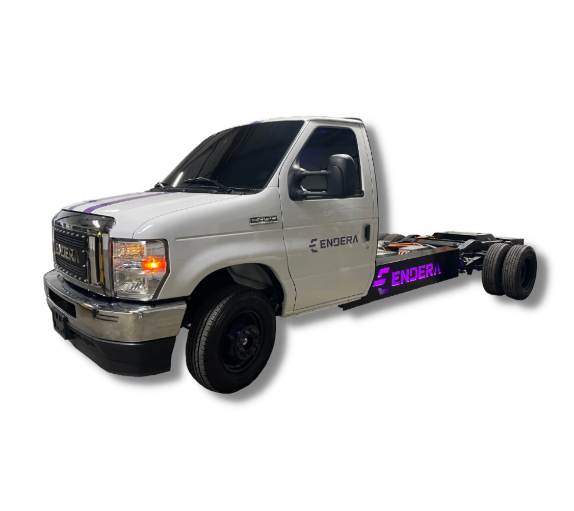
The transition to electric mobility is rapidly reshaping the automotive landscape. As traditional internal combustion engines (ICEs) give way to cleaner alternatives, the Electric Vehicle Powertrain becomes a critical component of this transformation. For those new to electric vehicles (EVs), understanding how the EV powertrain works is essential to appreciating the technology behind it and making informed decisions as a consumer or industry professional.
What Is an Electric Vehicle Powertrain?
The Electric Vehicle Powertrain is the system that propels an electric car using electrical energy stored in the battery. Unlike a conventional drivetrain, which includes an engine, transmission, and fuel system, the electric powertrain replaces these with an electric motor, inverter, battery pack, and controller. The result is a more efficient, quieter, and lower-maintenance driving experience.
Key Components of an EV Powertrain
Several primary components work together in an EV powertrain:
1. Battery Pack
The battery is the heart of the Electric Vehicle Powertrain, supplying electrical energy to the motor. Most EVs use lithium-ion batteries due to their high energy density and long life cycles. Battery size directly affects the driving range of an electric vehicle.
2. Inverter
The inverter plays a critical role by converting direct current (DC) from the battery into alternating current (AC) for the electric motor. Some systems also allow for bidirectional conversion, enabling regenerative braking that recharges the battery.
3. Electric Motor
The electric motor replaces the traditional engine in an electric powertrain. It converts electrical energy into mechanical energy to drive the wheels. Motors can be configured as front-wheel drive, rear-wheel drive, or all-wheel drive, depending on the vehicle design.
4. Controller
The controller acts as the brain of the EV powertrain, managing power delivery, speed, torque, and efficiency. It interprets inputs from the driver (such as accelerator pedal position) and regulates the motor and inverter accordingly.
5. Transmission (Single-Speed or Multi-Speed)
Unlike ICE vehicles that require complex gearboxes, most electric vehicles use a single-speed transmission due to the wide torque range of electric motors. However, some high-performance EVs include multi-speed transmissions for optimized performance.
How the Electric Powertrain Works
When the driver presses the accelerator, the controller sends signals to the inverter, which adjusts the frequency and amplitude of electricity delivered to the motor. The motor then spins the wheels, propelling the vehicle forward. During deceleration, regenerative braking systems capture kinetic energy and return it to the battery, thereby improving overall efficiency.
Benefits of the Electric Vehicle Powertrain
The Electric Vehicle Powertrain offers several advantages over traditional systems:
- Higher Efficiency: Electric motors convert over 85% of electrical energy into motion, compared to 20–30% in gasoline engines.
- Instant Torque: Electric motors deliver peak torque instantly, resulting in smoother and faster acceleration.
- Lower Maintenance: With fewer moving parts, electric powertrain systems require less frequent servicing and have lower long-term operating costs.
- Reduced Emissions: EVs produce no tailpipe emissions, supporting cleaner air and reduced environmental impact.
Applications and Future Outlook
The adoption of the Electric Vehicle Powertrain extends beyond passenger cars. It is now being applied to commercial vehicles, public transit buses, two-wheelers, and even heavy-duty trucks. As battery technology improves and charging infrastructure expands, the EV powertrain is expected to dominate future transportation markets.
Conclusion
Understanding the Electric Vehicle Powertrain is essential for anyone interested in the future of sustainable transportation. By replacing traditional mechanical systems with advanced electrical components, the EV powertrain delivers efficiency, performance, and environmental benefits unmatched by internal combustion engines. As innovation continues to drive the electric mobility sector, the Powertrain Electric is set to become the foundation of modern automotive design.
 David Martinez
  Kate Willson