
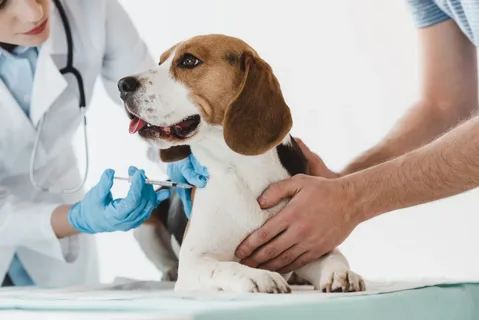
Pets bring joy, companionship, and affection into our lives. However, keeping them healthy requires more than providing nutritious food, regular exercise, and a comfortable home. Preventive healthcare also plays an important role in protecting animals from infectious diseases. Among the most effective preventive measures, vaccines for pets help strengthen a pet’s immune system and reduce the risk of serious illnesses.
Whether you have a playful puppy, a curious kitten, or an adult pet, understanding vaccination can help you make informed healthcare decisions. With guidance from a qualified veterinarian, pet owners can establish a suitable vaccination schedule and support their companions’ long-term well-being.
Why Are Pet Vaccinations Important?
Vaccinations prepare a pet’s immune system to recognize and fight specific infectious organisms. Consequently, vaccinated animals may develop stronger protection against diseases that could otherwise cause severe complications.
Key Benefits of Vaccination
- Prevention of Serious Diseases: Vaccination protects pets against several potentially life-threatening infections, depending on the vaccine administered.
- Improved Long-Term Health: Preventive care reduces the risk of certain illnesses and may help avoid complicated treatments.
- Protection for Other Animals: Keeping pets appropriately vaccinated helps reduce the spread of preventable infections within animal communities.
- Support for Active Lifestyles: Healthy pets can participate more safely in activities such as walks, training, boarding, and social interaction.
- Responsible Pet Ownership: Following veterinary recommendations demonstrates a commitment to an animal’s health and overall welfare.
Moreover, vaccination works best as part of a comprehensive healthcare routine that includes regular examinations, parasite prevention, appropriate nutrition, and good hygiene.
Essential Vaccines Every Pet Owner Should Know About
Different animals require different vaccines based on their age, health, environment, and exposure risks. Therefore, pet owners should consult a veterinarian rather than follow a single schedule for every animal.
Vaccines for Dogs
Dogs may need protection against several common infectious diseases, including:
- Rabies: A serious viral disease that affects the nervous system and can spread to humans.
- Canine Distemper: A potentially severe illness that can affect the respiratory, digestive, and nervous systems.
- Parvovirus: A highly contagious infection that can cause severe vomiting, diarrhoea, and dehydration.
- Canine adenovirus: A virus associated with infectious canine hepatitis and other health complications.
- Leptospirosis: A bacterial infection that can affect the kidneys and liver and may also spread to humans.
Veterinarians determine which vaccines are essential and which are advisable based on local disease risks and the dog’s circumstances.
Vaccines for Cats
Cats also need appropriate protection against common infectious diseases. Depending on their circumstances, recommended vaccines may include:
- Feline Panleukopenia: A highly contagious disease that can cause serious digestive and immune system problems.
- Feline Herpesvirus: A virus associated with respiratory infections and eye problems.
- Feline Calicivirus: Another common cause of feline respiratory disease and oral discomfort.
- Rabies: Recommended or legally required in many situations, depending on local regulations and exposure risks.
- Feline Leukaemia Virus (FeLV): Vaccination may be recommended according to a cat’s age, lifestyle, and potential exposure.
Even indoor cats may face certain infection risks. A veterinarian can assess their individual needs and recommend suitable protection.
When Should Pets Receive Their Vaccinations?
Timing matters because young animals have developing immune systems and may initially receive some protection from their mothers. However, that protection gradually decreases, making a carefully planned vaccination schedule important.
Follow an Age-Appropriate Schedule
- Young Puppies and Kittens: Initial vaccinations commonly begin at around six to eight weeks of age, depending on the vaccine and veterinary advice.
- Booster Doses: Several vaccines require repeat doses to build or maintain adequate immunity.
- Adult Pets: Veterinarians recommend boosters according to vaccine type, previous vaccination history, and individual risk.
- Newly Dopted animals: A veterinary examination helps establish which vaccinations are needed and whether previous records require verification.
Furthermore, pet owners should maintain vaccination records and schedule reminders for upcoming appointments. If a pet has missed a dose, a veterinarian can advise on the appropriate next steps.
How to Prepare Your Pet for a Vaccination Appointment
A little preparation can make the experience easier for both pets and their owners. Before visiting a veterinary facility, consider these practical steps.
Before the Appointment
- Collect Medical Records: Bring previous vaccination certificates and information about past illnesses or treatments.
- Observe Your Pet’s Health: Inform the veterinarian about recent vomiting, diarrhoea, coughing, appetite changes, or unusual behaviour.
- Discuss Lifestyle and Exposure: Explain whether your pet spends time outdoors, visits boarding facilities, travels, or interacts with other animals.
- Use Safe Transportation: Keep cats in a secure carrier and transport dogs using an appropriate leash or restraint.
- Ask Relevant Questions: Discuss the vaccine’s purpose, possible side effects, booster schedule, and any precautions.
Importantly, tell the veterinarian about any previous vaccine reactions or existing health concerns before vaccination.
What to Expect After Vaccination
Most pets tolerate routine vaccinations well. Nevertheless, some may experience mild, temporary reactions as their immune systems respond.
Common Reactions to Monitor
- Mild tiredness or reduced activity.
- Temporary tenderness or slight swelling at the injection site.
- A small decrease in appetite.
- A mild, short-lived fever.
These effects generally resolve without treatment. However, contact your veterinarian if symptoms persist, worsen, or cause concern.
Seek emergency veterinary care immediately if your pet develops difficulty breathing, facial swelling, collapse, or repeated vomiting after vaccination. These signs may indicate a serious allergic reaction.
Additionally, follow any aftercare instructions provided by the veterinarian and avoid giving human medication unless specifically directed by a veterinary professional.
Choosing the Right Veterinary Clinic
Selecting a reliable veterinary provider helps ensure that pets receive appropriate vaccinations and follow-up care. However, pet owners should evaluate more than convenience when choosing a clinic.
Consider these factors:
- Qualified Veterinary Professionals: Choose a clinic with trained veterinarians who can assess your pet’s individual needs.
- Personalised Vaccination Plans: A suitable provider considers age, medical history, lifestyle, and local disease risks.
- Clear Communication: The team should explain vaccine choices, costs, potential reactions, and follow-up requirements.
- Proper Vaccine Handling: Appropriate storage and handling help maintain vaccine quality and effectiveness.
- Accessible Ongoing Care: Convenient appointments and reliable follow-up support consistent preventive healthcare.
For pet owners seeking veterinary services in Dubai, comparing available clinics can help identify a provider that suits their companion’s needs.
Conclusion
Pet vaccination is an essential part of responsible pet ownership. Choosing suitable vaccines for pets and maintaining regular veterinary check-ups can make preventive care more effective. If you are looking for a trusted pet vaccination clinic in dubai, prioritise qualified professionals, personalised guidance, and clear aftercare support. With consistent preventive care, you can help your furry companion enjoy a healthier, safer, and more comfortable life.
Pet owners looking for veterinary guidance and preventive healthcare services can explore Pet Point Veterinary Clinic. Through their website, they provide a starting point for learning more about pet care and available services. They aim to help pet owners make informed decisions about their companions’ well-being and identify suitable support for their everyday healthcare needs. Contacting their team directly can help you confirm available vaccination services and arrange appropriate veterinary guidance for your pet.