
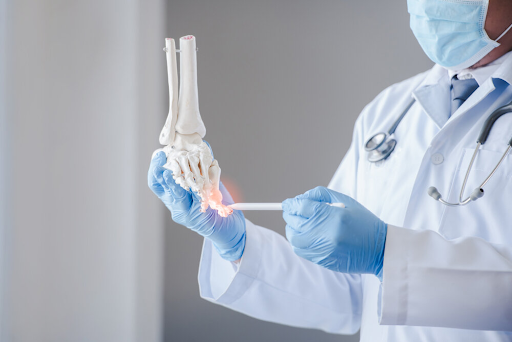
Aches after a long day may seem harmless, but recurring discomfort can sometimes point to an underlying bone, joint, muscle, or ligament problem. Understanding orthopedic surgeon specialties can help people recognise when a symptom may require specialised evaluation rather than simply waiting for it to disappear. The key is to notice changes that persist, worsen, or interfere with normal movement.
1. Persistent Joint Pain During Daily Tasks
Pain that continues during ordinary activities deserves attention, especially when it affects walking, sitting, climbing stairs, or standing for extended periods. Occasional soreness after unusual physical activity may settle with rest, but persistent pain can have several possible causes.
Arthritis, cartilage damage, previous injuries, and joint degeneration are among the conditions that may contribute to ongoing discomfort. A clinical assessment can help determine whether the pain is related to the joint itself or surrounding tissues.
2. Swelling That Keeps Returning
Joint swelling can occur after an injury or intense physical activity, but repeated swelling should not be ignored. The affected area may feel tight, warm, or difficult to move. Swelling that continues or returns without a clear reason may indicate an underlying joint or soft-tissue problem. It can also be accompanied by pain, stiffness, or reduced movement, making routine activities more challenging. A professional assessment can help identify the cause and determine whether further evaluation or treatment is needed.
Knee swelling, for example, may be associated with ligament injuries, meniscus problems, inflammation, or cartilage damage. Understanding when the swelling appears and whether it follows specific activities can give a specialist useful information during an assessment.
3. Reduced Range Of Movement
A shoulder that no longer reaches overhead comfortably or a knee that cannot fully bend may indicate a change in joint function. Limited movement can develop gradually, making it easy to adapt to the restriction without noticing how much mobility has been lost.
Reduced range of motion may follow an injury, prolonged inflammation, joint degeneration, or other musculoskeletal conditions. Early evaluation can help identify the underlying issue and determine whether rehabilitation, medication, injections, or another treatment approach may be appropriate.
4. Pain After A Sports Injury
A sudden twist, fall, collision, or awkward landing can damage structures inside or around a joint. Some injuries cause immediate pain, while others become more noticeable later as swelling develops. Seeking advice from an orthopedic surgeon in Bangalore can help identify the extent of an injury and determine whether further assessment is needed. Early attention may also help patients understand suitable treatment and recovery options.
Sports-related problems may involve ligaments, tendons, cartilage, or the meniscus. Conditions such as ACL injuries may require specialised evaluation, particularly when the knee feels unstable during movement. Continuing intense activity without understanding the injury can sometimes make recovery more difficult.
5. Difficulty Bearing Weight
Finding it difficult to put weight on a leg or foot can be an important sign following an injury. This may occur with certain fractures, ligament injuries, severe joint problems, or other conditions affecting stability.
The severity of the symptom matters. Sudden inability to bear weight after significant trauma should receive prompt medical assessment. A specialist can determine whether imaging or further investigation is needed before recommending treatment. Avoiding unnecessary pressure on the affected area until it is assessed may help prevent further strain. Early evaluation can also provide a clearer understanding of the injury and guide the next stage of recovery.
6. Repeated Joint Instability
A joint that repeatedly gives way can interfere with confidence and everyday movement. People may notice this while walking on uneven ground, climbing stairs, changing direction during sports, or standing from a seated position.
Knee instability, for example, can occur with ligament injuries. Shoulder instability may also develop after dislocation or other structural damage. Identifying the reason for repeated instability is important because untreated structural problems may continue affecting movement and activity.
7. Persistent Back Or Neck Discomfort
Back and neck discomfort can arise from several sources, and not every episode requires surgical treatment. Muscle strain, posture, physical workload, disc-related problems, and other conditions can all contribute to symptoms.
However, persistent or recurring discomfort that interferes with normal activities may warrant professional assessment. Additional symptoms such as weakness, numbness, or changes in normal function should also be discussed with a healthcare professional rather than dismissed as ordinary stiffness. Understanding different orthopedic surgeon specialties can also help patients seek care suited to the underlying condition.
8. Pain That Affects Sleep
Pain that repeatedly wakes someone at night or makes it difficult to find a comfortable sleeping position can significantly affect daily wellbeing. Shoulder conditions, advanced joint problems, and certain inflammatory or musculoskeletal conditions may produce discomfort that becomes more noticeable during rest.
Keeping track of when the pain occurs can be helpful. Patients can note whether symptoms appear after particular movements, while lying in a certain position, or throughout the night. This information can make a clinical consultation more informative.
9. Stiffness That Gradually Gets Worse
Morning stiffness or stiffness after sitting for a long time can happen occasionally, but gradually increasing restriction deserves attention. People may initially compensate by moving more slowly or avoiding particular activities.
Over time, this can reduce physical activity and contribute to weakness around the affected area. Depending on the cause, treatment may include physiotherapy, lifestyle adjustments, medication, injections, or surgery. The appropriate approach depends on the individual’s diagnosis and overall condition.
Conclusion
The purpose of recognising these nine symptoms is not to encourage self-diagnosis. Instead, they can serve as useful signals that a professional evaluation may be worthwhile, particularly when symptoms persist or interfere with everyday life. Consulting an orthopedic surgeon in Bangalore can help patients understand the possible cause and appropriate next steps.
A suitable treatment plan begins with identifying the cause. From sports injuries and ligament problems to joint degeneration and replacement surgery, orthopaedic care should be based on the individual’s condition, needs, and recovery goals.
For those exploring specialised orthopaedic evaluation and treatment in Bengaluru, Bone & Joint Consult offers another option to consider when choosing professional joint and musculoskeletal care.
 Kate Willson