
The recovery phase after a surgery is equally important. For many patients, this period shapes how soon they return to daily life. With the rise of robotic surgery specialists in Delhi, surgical procedures have become much easier, quicker, and more precise. Consequently, the recovery has become quicker, less painful, and more predictable.
What is Robotic Surgery and Its Role in Modern Medicine
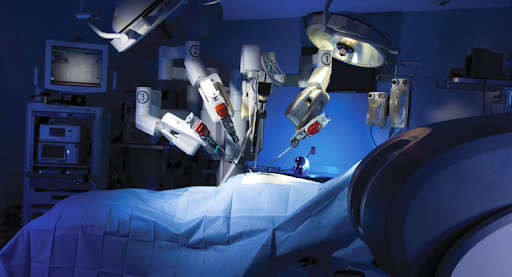
Robotic-assisted surgery combines the skill of experienced surgeons with advanced technology. Many hospitals in Delhi utilise robotic systems that enable doctors to perform complex procedures with greater accuracy and precision. The system allows smaller incisions, clear 3D views, and better protection of nearby tissues. A robotic surgery specialist in Delhi guides every movement through a console, ensuring safety and precision. Compared to traditional surgery, patients often experience less pain, shorter hospital stays, and faster recovery.
What Happens Immediately After Robotic Surgery
The recovery process begins right after the procedure. During the first 24 to 48 hours, doctors and nurses closely monitor vital signs and ensure patients feel comfortable. At BLK-Max Super Speciality Hospital, a robotic surgery specialist in Delhi focuses on pain control, hydration, and breathing exercises that help patients move safely. Gentle walking under supervision improves blood circulation and reduces stiffness. Light meals and plenty of fluids help restore energy and aid digestion. Medical teams also check incision sites for any signs of swelling or infection.
These first few days are important because they set the foundation for a smooth and steady recovery.
The First Week: Regaining Control and Confidence
Once patients return home, the focus shifts to gentle recovery. The body continues to heal internally, so avoiding strain is important. Light movements such as short walks or simple stretches improve circulation without causing fatigue.
A follow-up visit within a week helps the surgeon review healing progress, check medications, and suggest suitable diet and activity levels. Emotional well-being also plays a key role; staying calm and positive supports a faster recovery. Family support makes this stage easier by helping with meals, medicine reminders, and maintaining a clean, peaceful environment.
Weeks Two to Six: Building Strength Gradually
From the second week onwards, most patients start feeling stronger and more active. Because robotic-assisted surgeries use smaller incisions and cause less tissue damage, recovery is often quicker. Light household tasks, short walks, or gentle stretches help improve flexibility and strength. Some may also begin physiotherapy under guidance to regain movement and balance.
Following the surgeon’s advice is essential; overexertion can delay healing, while too much rest may cause stiffness. Eating well also supports recovery. A diet rich in protein, vitamins, fibre, and plenty of water helps rebuild strength and boost immunity.
Follow-Up Care and Continuous Monitoring
Regular follow-ups are an important part of post-surgery recovery. During these visits, the surgeon checks the incision site, reviews healing progress, and ensures recovery is on track. These check-ups also help detect early signs of infection, swelling, or discomfort.
Patients should share even small concerns like tiredness, poor sleep, or mild pain. Open communication allows the medical team to adjust care plans as needed. This ongoing support helps patients feel reassured and confident as they return to normal life.
Pain and Discomfort Management
Some amount of pain or tiredness is normal after surgery. Doctors usually prescribe pain relief medicines to manage this phase. It’s important to take them only as directed and avoid self-medication. Gentle breathing exercises and sitting upright can help reduce discomfort.
If patients notice unusual swelling, redness, or constant pain, they should contact their doctor or surgical team immediately. Because robotic-assisted procedures use smaller incisions, pain is often milder and recovery more comfortable—but careful monitoring remains essential for safety.
Nutrition and Lifestyle for Faster Healing
A healthy diet supports recovery better than any supplement. Fresh fruits, vegetables, and protein-rich foods help repair tissues and restore energy. Eating small, frequent meals helps keep your metabolism steady. Avoid smoking and alcohol as they slow healing and weaken immunity. Getting enough sleep, around seven to eight hours each night, allows the body to replenish its energy and rebuild strength. Light stretching or short walks after the first week can improve flexibility. However, if you experience any discomfort, stop and consult your doctor.
Mental and Emotional Recovery
Physical recovery is just one aspect of healing; emotional well-being is equally important. Many patients may feel anxious or restless while regaining strength, and this is entirely natural. Support from family members and celebrating small milestones, like walking a bit farther or performing simple daily tasks, can make recovery feel more encouraging.
Staying connected with friends or joining support groups also helps maintain a positive outlook. Recovery is not a race; it’s a steady journey. With patience, optimism, and regular follow-ups, patients can build both confidence and resilience along the way.
Recognising Warning Signs
Each recovery journey is different, but certain symptoms should never be ignored. Contact your surgeon right away if you notice:
- Continuous fever or feeling cold
- Redness, swelling, or any discharge from the incision site
- Shortness of breath or chest discomfort
- Pain that lasts longer or feels more intense than expected
Reporting these signs early allows doctors to respond quickly and prevent further complications. Staying alert and communicating promptly can make recovery safer and more comfortable.
Long-Term Health and Recovery Outlook
By six to twelve weeks, most patients return to normal activities such as work, travel, or light exercise. The small incisions made during robotic-assisted surgery heal faster, leaving little scarring. To stay healthy in the long run, patients should continue regular exercise, eat a balanced diet, and attend routine medical check-ups. These habits help maintain recovery results and support long-term well-being.
Conclusion
Recovery after surgery is a steady process that involves care, patience, and the right medical support. Robotic-assisted procedures have helped make this journey easier, with less pain and quicker healing. By following your doctor’s advice, keeping healthy habits, and staying in touch with your care team, recovery can feel smoother and more confident. With expert guidance and timely follow-ups, every step after surgery moves you closer to complete healing.
 Kate Willson