
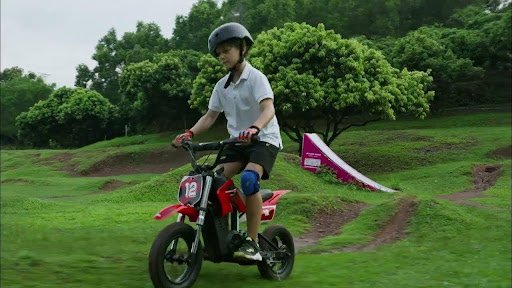
Childhood is a time of discovery, imagination, and constant movement. The toys children engage with during these formative years play a meaningful role in shaping their development. Battery-powered vehicles have become increasingly popular because they combine excitement with learning in a natural and engaging way. A toy motorbike ride on is not simply a fun gadget; it is a tool that encourages independence, strengthens coordination, and transforms everyday spaces into imaginative playgrounds.
Transforming Everyday Spaces into Adventures
Children see the world differently. A simple driveway can become a racetrack, a garden path can turn into a jungle trail, and a quiet street can feel like an open highway. Remote-controlled ride-ons enhance pretend play, allowing children to create their own stories and scenarios.
Imaginative play supports development in several ways:
- Improves storytelling and communication skills.
- Strengthens creativity and problem-solving abilities.
- Encourages emotional expression through role-play.
- Builds confidence through independent decision-making.
Instead of passively watching entertainment on a screen, children actively participate in their own adventures. They decide where to “drive,” how fast to go, and what mission they are on. This type of play stimulates both the mind and the body.
Supporting Physical Growth and Coordination
Ride-ons offer more than excitement. They contribute directly to physical development. Steering improves hand-eye coordination, while pressing pedals enhances leg strength and timing. Navigating around obstacles develops spatial awareness and reaction skills.
As children grow, many transition to models such as a child’s ride on motorbike, which requires improved balance and body control. Learning to maintain stability while steering sharpens coordination and prepares them for future physical activities like cycling or sports.
Outdoor riding also promotes healthy habits. Time spent outside:
- Encourages movement and active play.
- Reduces sedentary screen time.
- Supports better sleep patterns.
- Improves mood and emotional regulation.
When play becomes physically engaging, children build endurance without even realizing they are exercising.
Encouraging Independence with Safe Boundaries
One key advantage of remote-controlled ride-ons is the balance between independence and supervision. Children feel confident steering and controlling their vehicle, gaining a sense of achievement with every smooth turn or stop. Meanwhile, parental remote controls allow adults to guide or override movement when needed, ensuring safety without limiting exploration.
Over time, children learn to handle their ride carefully, avoid rough use, and develop responsibility through simple, everyday habits.
Reducing Screen Dependency
Modern parenting often involves finding alternatives to excessive screen time. Remote-controlled ride-ons provide an appealing solution. The excitement of driving a miniature vehicle outdoors competes successfully with digital entertainment.
Instead of sitting indoors, children engage in:
- Social play with siblings or friends.
- Creative outdoor exploration.
- Interactive games involving obstacle courses or pretend missions.
Group riding sessions encourage cooperation and patience. Children learn to take turns, communicate clearly, and share space. These experiences build social confidence and interpersonal skills.
Built-In Safety for Peace of Mind
Safety remains a top priority for families. Today’s ride-ons are designed with thoughtful features that reduce risks while maintaining fun. Common safety elements include:
- Adjustable speed settings suited to age groups.
- Seat belts and stable seating positions.
- Anti-slip, durable tires.
- Soft-start acceleration systems.
- Remote override functionality for parents.
These features ensure that children enjoy smooth, controlled rides. Durable construction also protects against tipping or instability, even on slightly uneven surfaces. When safety measures are integrated into design, parents can relax and focus on enjoying the moment with their children.
Developing Responsibility Through Play
Ride-ons subtly introduce children to responsibility. Caring for their vehicle teaches discipline in simple ways. They may help plug in the charger, wipe down surfaces, or store the ride-on properly after use.
Some models include small storage compartments, encouraging children to carry toys or personal items. Managing these belongings during play nurtures organizational skills and ownership.
Midway through their riding journey, many children rediscover excitement when mastering new skills on their toy motorbike ride on, such as smoother steering or better control on turns. Each improvement reinforces perseverance and self-belief. These lessons may seem small, but they form the foundation for larger responsibilities later in life.
Enhancing Emotional Well-Being
Play is not only physical; it is emotional. The thrill of movement releases energy and reduces stress. Children who spend time actively playing outdoors often display improved focus and emotional balance afterward.
Ride-ons also create bonding opportunities. Parents walking alongside their child, guiding them through turns, or cheering during small “races” strengthen family connections. These shared experiences build lasting memories that go far beyond the toy itself.
Confidence gained from mastering a ride-on often extends into other areas of life, such as school activities or social interactions.
Variety and Personal Expression
Modern ride-ons come in a wide range of designs, colors, and styles. Whether a child prefers sporty, adventurous, or classic looks, there is an option to match their personality. Realistic features like working headlights, music systems, and engine sounds make the experience immersive.
Customization options, such as stickers or name labels,s allow children to personalize their vehicle. This sense of ownership deepens emotional attachment and pride in their ride.
High-quality ride-ons are built for longevity. Rechargeable batteries provide extended play sessions, and sturdy materials ensure durability over time. Many families find that these toys can be passed down to younger siblings, increasing their long-term value.
Conclusion
Remote-controlled ride-ons have transformed modern playtime by blending imagination, skill development, and safety into one engaging experience. They strengthen coordination, encourage outdoor exploration, and nurture independence while maintaining parental control. The balance between fun and function makes them a meaningful addition to childhood.
As innovation continues to shape children’s products, options like a remote ride on car demonstrate how technology can enhance rather than replace active play. Families seeking thoughtfully designed ride-ons that prioritize safety, creativity, and durability often explore collections available through ISAKAA. With a focus on quality craftsmanship and child-friendly features, ISAKAA supports parents who want toys that inspire growth, confidence, and joyful outdoor adventures while creating lasting memories for years to come.
 Kate Willson