
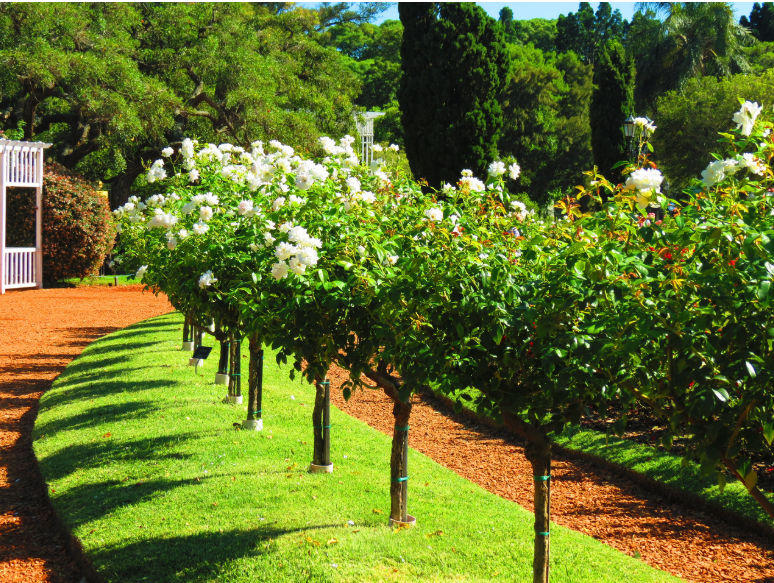
Flowering trees are among the most captivating additions to any landscape, bringing bursts of color, texture, and seasonal charm. Whether lining a driveway, accenting a garden, or providing shade, Flowering trees can transform ordinary outdoor spaces into enchanting environments. Planting and caring for these trees requires understanding their unique needs, from soil preparation to pruning techniques, to ensure healthy growth and vibrant blooms year after year. This article will guide you through the essential steps to successfully plant and maintain flowering trees, helping you create a flourishing garden that delights throughout the seasons.
Choosing the Right Flowering Tree
Selecting the ideal flowering tree is the first step toward a thriving garden. Consider factors such as climate, soil type, available space, and the tree’s ultimate size and shape. Some popular options include cherry blossoms, magnolias, dogwoods, and redbuds. Each species offers distinct bloom patterns, fragrance, and foliage color.
It is also crucial to evaluate the tree’s growth habits. For instance, some flowering trees have expansive root systems that may interfere with structures, while others remain compact, making them suitable for smaller yards. Choosing a tree that aligns with your landscape and maintenance capacity ensures long-term satisfaction.
Planting Flowering Trees
Proper planting is essential for the health and longevity of flowering trees. Follow these steps for a successful planting process:
- Site Selection: Choose a location that receives adequate sunlight—most flowering trees require full sun for optimal blooms. Ensure the area has well-draining soil to prevent root rot.
- Soil Preparation: Loosen the soil and enrich it with organic matter such as compost or peat moss. A nutrient-rich environment promotes strong root development.
- Digging the Hole: The hole should be twice as wide and as deep as the tree’s root ball. This provides room for roots to expand and stabilize.
- Planting: Position the tree so the top of the root ball is level with the surrounding soil. Fill the hole with soil, gently tamping down to eliminate air pockets.
- Watering: Water thoroughly immediately after planting to settle the soil around the roots. Maintain consistent moisture during the first growing season.
Caring for Flowering Trees
Proper care ensures that flowering trees remain healthy and vibrant for years. Here are key maintenance practices to consider:
1. Watering
Newly planted trees require regular watering to establish strong root systems. Water deeply and infrequently, allowing moisture to penetrate the soil while avoiding waterlogging. Established trees typically need less frequent watering but may require supplemental irrigation during dry spells.
2. Mulching
Apply a layer of organic mulch around the base of the tree to retain soil moisture, regulate temperature, and suppress weeds. Keep the mulch a few inches away from the trunk to prevent rot and pest infestations.
3. Fertilizing
Flowering trees benefit from balanced fertilizers rich in nitrogen, phosphorus, and potassium. Fertilize in early spring before new growth begins and again in late summer to support flowering and overall health. Avoid over-fertilizing, which can lead to excessive foliage growth at the expense of blooms.
4. Pruning
Pruning is essential for maintaining tree shape, removing dead or diseased branches, and encouraging vigorous flowering. Prune during the dormant season to minimize stress. Avoid heavy pruning during flowering, as this can reduce blooms.
5. Pest and Disease Management
Regularly inspect your trees for signs of pests or disease. Common issues include aphids, scale, and fungal infections. Integrated pest management practices, such as using natural predators or organic sprays, can effectively control infestations without harming the environment.
Seasonal Care and Tips
Each season brings specific care requirements for flowering trees:
- Spring: Focus on fertilization, pruning, and pest inspection. Spring is also an ideal time to plant new trees.
- Summer: Ensure adequate watering during hot, dry periods. Mulch helps retain soil moisture and prevent heat stress.
- Fall: Remove fallen leaves to reduce disease risk and consider applying a slow-release fertilizer to support root growth.
- Winter: Protect young trees from harsh weather using tree wraps or shelters, and minimize pruning to prevent damage.
Common Mistakes to Avoid
When planting and maintaining flowering trees, it is important to avoid common mistakes:
- Planting too deep or in poorly draining soil, which can suffocate roots.
- Over-fertilizing, leading to lush foliage but reduced blooms.
- Neglecting pruning, which can result in overcrowded branches and weaker flowers.
- Ignoring pests or disease, which can spread rapidly if untreated.
By following best practices and paying attention to seasonal care, you can avoid these pitfalls and enjoy long-lasting beauty from your flowering trees.
Companion Planting with Flowering Trees
Flowering trees can be complemented with various companion plants to enhance their beauty and overall garden health. For example, planting shrubs, perennials, or ground covers around the base of the tree can create layered visual interest and reduce weed growth.
In addition, flowering trees can be combined with ornamental plants such as Iceberg roses, which provide a continuous display of color and fragrance throughout the growing season. This combination not only enriches the aesthetic appeal but also attracts pollinators, supporting the local ecosystem.
Conclusion
Flowering Trees offer unmatched beauty, elegance, and ecological benefits in any garden or landscape. With thoughtful selection, proper planting techniques, and consistent care—including watering, pruning, fertilizing, and pest management—these trees can thrive for decades, creating a dynamic and colorful environment.
 David Martinez
  Kate Willson