
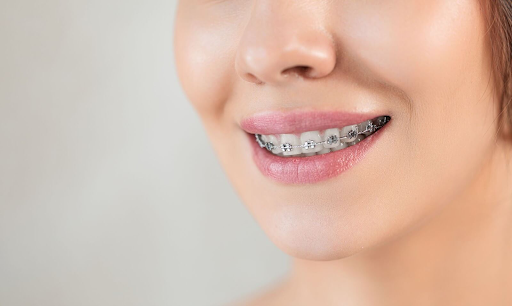
There’s a quiet myth that braces are a teenage rite of passage, something you either get sorted out by eighteen or live with forever. More and more adults are discovering that isn’t true. Walk into any orthodontic clinic today, and you’ll likely see professionals in their thirties, forties, and beyond, finally addressing crowding, bite issues, or shifted teeth they’ve lived with for years.
Braces for adults have become increasingly common, not because adult teeth are easier to treat, but because the stigma around starting later has largely faded, and the treatment options have genuinely improved. Still, adult orthodontics isn’t simply teenage treatment on an older patient. Several things change once growth has stopped and decades of wear, habits, and dental history enter the picture.
Bone Density and Movement Speed
One of the most fundamental differences between adolescent and adult orthodontics comes down to biology. In teenagers, the jaw is still growing, and bone remodels relatively quickly in response to the gentle, sustained pressure that braces apply. In adults, bone density is fully established, and the remodeling process that allows teeth to move tends to happen more slowly.
This doesn’t mean adult treatment doesn’t work; it absolutely does, but it often means treatment timelines run somewhat longer than they would for a comparable case in a younger patient, and movements need to be planned with more precision from the outset.
Existing Dental Work Adds Complexity
By adulthood, most people have some combination of fillings, crowns, bridges, or even missing teeth that weren’t part of the picture during childhood orthodontic planning. Each of these factors has to be accounted for when designing a treatment plan. A crown, for instance, doesn’t respond to orthodontic pressure in exactly the same way as a natural tooth, and missing teeth can affect how forces are distributed across the rest of the arch. This is one of the main reasons adult cases often require a more customized, carefully sequenced approach rather than a standard protocol.
Gum and Bone Health Become a Bigger Factor
Years of wear, and in some cases a history of gum disease, mean that adult patients often need a periodontal evaluation before orthodontic treatment even begins. Healthy gum and bone support is essential for teeth to move safely under orthodontic pressure. If there’s existing gum recession or bone loss, treatment has to be approached more cautiously, sometimes with gum health addressed first, to avoid placing unnecessary strain on already compromised support structures.
Why Adults Often Seek Treatment in the First Place
The reasons adults pursue orthodontic treatment are often different from the reasons that bring in a teenager. Common motivations include:
- Teeth that have shifted gradually over the years, sometimes after a previous round of childhood orthodontics that wasn’t maintained with a retainer.
- Bite issues that have started causing jaw discomfort, headaches, or uneven wear on the teeth.
- A desire to address crowding or spacing before a significant life event.
- Long-standing self-consciousness about alignment that’s simply never been addressed.
- Dental work, such as crowns or bridges, that requires properly aligned teeth to be placed correctly.
Understanding the “why” behind treatment often shapes the orthodontist’s approach just as much as the physical condition of the teeth themselves.
Treatment Options Have Expanded Significantly
One of the more encouraging developments in adult orthodontics is the sheer range of options now available. Braces for adults can include traditional metal braces, which remain a reliable and often more affordable choice, as well as ceramic braces that blend more closely with natural tooth colour.
Clear aligner systems have also given adults greater flexibility to choose treatment that suits their lifestyle and professional environment. The right choice depends on the complexity of the case, not simply personal preference, which is why a thorough assessment matters more than choosing the most discreet-looking option.
Commitment and Compliance Look Different
Adults generally bring a different level of discipline to treatment than teenagers do. There’s rarely a parent reminding them to wear their retainer or keep up with appointments, but there’s often a stronger internal motivation, since the decision to start treatment was entirely their own.
That said, adult life brings its own challenges: busy schedules, travel, and competing responsibilities can make consistent appointment attendance harder to maintain than it might have been at a younger age, which is worth factoring into realistic expectations before starting.
Managing Expectations Around Timeline and Results
Perhaps the biggest mental shift for adult patients is understanding that results, while absolutely achievable, may take longer to appear and may involve more nuanced planning than they expect. A good orthodontist will walk through realistic timelines upfront, based on bone density, existing dental work, and the complexity of the specific case, rather than offering a generic estimate borrowed from adolescent treatment norms.
Why Experience Matters More in Adult Cases
Given the added layers of complexity, from existing dental restorations to periodontal considerations, adult orthodontic cases often benefit from the kind of judgment that comes with specialized experience. Working with a recognized Singapore braces expert who regularly treats adult patients, rather than a general practice that occasionally takes on adult cases, can make a meaningful difference in how smoothly treatment proceeds and how well the final result holds up over time.
Conclusion
Starting orthodontic treatment later in life isn’t a lesser version of adolescent braces; it’s a distinct process shaped by bone density, existing dental work, gum health, and years of accumulated wear. Adults who understand these differences tend to approach treatment with more realistic expectations and better long-term outcomes. Consulting a Singapore braces expert can help ensure that treatment planning considers these adult-specific factors rather than relying on a standardised approach. With today’s expanded range of treatment options and growing acceptance of adult orthodontics, there’s rarely a wrong time to address alignment concerns that have lingered for years, as long as the plan is built around the realities of an adult smile.
BRACESAURUS, an MOH-accredited orthodontic specialist clinic in Singapore, brings this kind of experience to its adult patients, with founder Dr Wee Teng Yau drawing on over two decades of orthodontic practice across public and private settings. The clinic’s sole focus on braces treatment allows it to give adult cases the detailed planning and periodontal consideration this stage of life often requires.
 Kate Willson
  David Martinez