
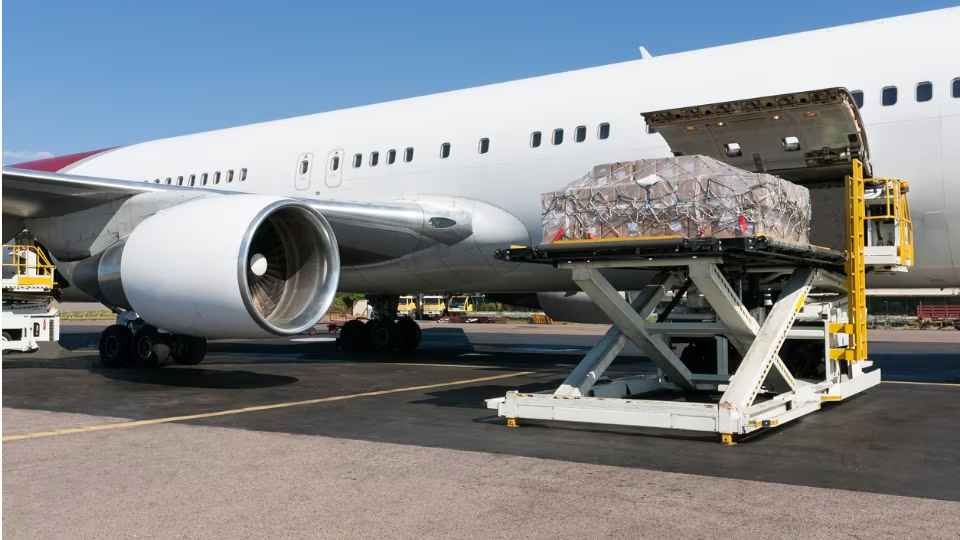
Expanding your business into international markets is an exciting prospect, but it comes with its unique set of challenges. One of the most critical factors in this expansion is ensuring that your products reach global customers on time. Delays can harm customer satisfaction, damage your brand reputation, and reduce profitability. To achieve timely deliveries, businesses increasingly rely on efficient air freight logistics, which offer fast and reliable solutions for international shipping. Understanding the key aspects of global shipping and implementing strategic practices can make the difference between a smooth expansion and frustrating bottlenecks.
The Importance of Timely Global Shipping
In today’s fast-paced market, customer expectations are higher than ever. Consumers demand speed, transparency, and reliability. When expanding internationally, your ability to meet these expectations can directly impact your brand’s credibility. Timely shipping offers several advantages:
- Customer Satisfaction: Delivering products on time builds trust and loyalty among your international customers.
- Competitive Edge: Fast shipping can set your business apart from competitors, particularly in markets where delivery speed is a differentiator.
- Operational Efficiency: Streamlined logistics reduce storage and inventory costs, freeing up capital for growth initiatives.
Choosing the right shipping method is the first step. Air freight is often preferred for urgent or high-value goods, as it drastically reduces transit times compared to sea freight.
Challenges in International Shipping
While the benefits of global shipping are clear, businesses must navigate several hurdles:
- Customs Regulations: Each country has its own rules regarding import duties, taxes, and restricted goods. Misunderstanding these can lead to delays or penalties.
- Documentation Complexity: International shipments require detailed paperwork such as commercial invoices, packing lists, certificates of origin, and sometimes special permits. Missing or incorrect documents can halt shipments at customs.
- Shipping Costs: Freight rates fluctuate depending on the destination, mode of transport, and shipment size. Unanticipated costs can disrupt budgeting and pricing strategies.
- Transit Times: Even with air freight, international shipments may face delays due to customs, weather, or logistical disruptions. Setting realistic delivery timelines is essential.
Addressing these challenges proactively ensures smoother operations and more reliable delivery performance.
Essential Strategies for On-Time Global Shipping
1. Conduct Thorough Market Research
Before shipping internationally, identify countries where your products are in demand. Understand local customer preferences, regulatory requirements, and shipping challenges. This research helps optimize routes, packaging, and marketing strategies to match market expectations.
2. Choose the Right Shipping Method
Different shipment methods suit different business needs:
- Air Freight: Fastest option, ideal for time-sensitive or high-value goods.
- Sea Freight: Cost-effective for bulky, non-urgent shipments.
- Rail Freight: Efficient for land transport over long distances, particularly within continents.
- Intermodal Freight: Combines multiple transport modes for optimized cost and speed.
Each method has trade-offs in terms of cost, speed, and reliability. Often, businesses use a combination depending on shipment urgency and volume.
3. Optimize Packaging
Durable and secure packaging is vital for international shipments. Packages face longer handling times, multiple transfers, and potential exposure to rough conditions. High-quality packaging ensures products arrive intact, reducing returns and complaints. Consider:
- Shockproof and waterproof materials for fragile goods.
- Eco-friendly packaging for sustainability-conscious markets.
- Clear labels with accurate recipient and sender details to avoid customs delays.
4. Understand Duties and Taxes
Every international shipment is subject to duties and taxes, which vary by product category and destination. Businesses can simplify this by offering Delivered Duty Paid (DDP) shipping, pre-paying duties and taxes to streamline customer experience. Transparent pricing prevents unexpected charges and fosters trust.
5. Partner with Experienced Logistics Providers
Collaborating with reliable logistics experts ensures seamless execution. Experienced partners can handle route planning, customs documentation, and compliance, reducing the risk of delays. They can also offer advanced tracking solutions for visibility throughout the supply chain.
6. Leverage Technology
Modern shipping software enables businesses to track shipments in real-time, manage multiple carriers, and automate documentation. Tools such as multi-carrier shipping software (MCSS) simplify label generation, customs paperwork, and rate comparison. Technology also allows proactive communication with customers regarding shipment status, improving satisfaction.
7. Plan Shipping Routes Strategically
Choosing the most efficient route is key to on-time delivery. Analyze options based on transit times, cost, and reliability. Consider using regional distribution centers to shorten delivery distances and reduce dependency on a single transport mode.
8. Monitor and Adjust
International shipping is dynamic, with variables like weather, labor strikes, or geopolitical events potentially affecting transit. Monitor shipments continuously, stay updated on global developments, and have contingency plans in place. Flexibility and quick decision-making minimize disruptions.
9. Ensure Compliance and Documentation Accuracy
Mistakes in documentation can lead to costly delays or seizure of goods. Maintain accurate commercial invoices, HS codes, packing lists, and certificates. Working with customs brokers or compliance experts ensures adherence to local regulations, minimizing the risk of fines.
10. Consider Warehousing Solutions
Strategically located warehouses or third-party logistics (3PL) providers enable faster fulfillment. By storing inventory near key markets, businesses can respond quickly to customer demand and reduce overall transit times.
Benefits of Strategic Shipping Practices
Implementing these strategies offers multiple benefits:
- Reduced Delays: Proper planning and execution ensure shipments reach customers on schedule.
- Lower Costs: Efficient routes, accurate documentation, and optimized packaging reduce unnecessary expenses.
- Enhanced Customer Experience: Reliable delivery and transparent communication improve customer satisfaction and loyalty.
- Business Growth: With consistent international shipping performance, your brand can confidently expand into new markets.
Conclusion
Ensuring your shipments reach global markets on time requires careful planning, strategic partnerships, and efficient use of technology. From selecting the right shipping method, optimizing packaging, and understanding duties and taxes, to leveraging real-time tracking and warehousing, every step contributes to smooth international operations. Timely deliveries are not just about logistics; they reflect your brand’s reliability and professionalism.
Companies like AVR Logistics specialize in providing integrated transport and logistics solutions tailored to meet global shipping requirements. With expertise in air, sea, rail, and road freight, as well as warehousing and customs clearance, AVR Logistics helps businesses navigate complex international markets efficiently. Their team ensures shipments reach their destinations safely and on time, making them a reliable partner among leading Logistics transport companies for businesses looking to expand globally.
 David Martinez
  Renuka