
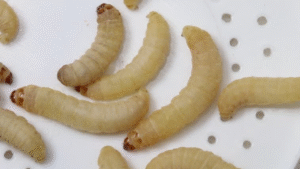
When it comes to breeding the worms at home, it can be a cost-effective, rewarding way to ensure a steady supply of fresh feeder insects for your pets. They’re easy to manage, reproduce quickly, and require minimal space. However, many first-time breeders struggle to get consistent results.
If your waxworm colony isn’t thriving, it could be due to:
- Low reproduction rates
- High larval or pupal death
- Mold or mites overtaking the colony
These issues often stem from overlooked environmental factors. Here, we’ll dive into the top 9 factors that directly impact waxworm breeding success—and how to fix them for a healthier, more productive colony.
1. Temperature Control
Temperature is the most crucial factor in breeding these worms. These insects thrive and reproduce best at temperatures between 82°F and 88°F (28–31°C). If the temperature drops too low, waxworms enter a dormant stage and stop developing. Too high, and it can lead to death or stunted growth.
Pro Tip: Use a heat mat or thermostat-controlled incubator to maintain a stable temperature. Avoid placing the colony in direct sunlight or near air vents.
2. Humidity Levels
Humidity plays a role in preventing mold and dehydration. For breeding, keep the humidity at a moderate level—around 60–70%. High humidity can lead to fungal outbreaks, while very low humidity may dry out larvae and pupae, affecting their ability to develop properly.
Solution: Add a moisture-retaining medium such as bran, oats, or wheat germ, and avoid misting the container directly. Use breathable lids to allow airflow.
3. Proper Substrate
Waxworms breed and grow best in a nutrient-rich substrate that serves as both bedding and food. A common substrate recipe includes:
- Wheat bran or oats (base)
- Honey or glycerin (sugar source)
- Bee pollen or powdered milk (protein boost)
Mix these well to create a soft, slightly sticky medium. This simulates the waxworms’ natural environment inside beehives, where they feed on honeycomb.
4. Ventilation
Good airflow is often overlooked but is vital for waxworm health. Without ventilation, carbon dioxide buildup and moisture can ruin your colony. However, you also need to prevent escapes.
Fix: Use plastic bins with ventilated mesh lids or poke small holes in the lid and sides, covering them with fine mesh to keep moths and worms inside.
5. Separation of Life Stages
Waxworm colonies go through several stages—egg, larva, pupa, and adult moth. If all life stages are kept in the same container, moths may struggle to lay eggs, and larvae might feed on pupae.
To maximize breeding:
- Let moths mate in a separate container lined with paper or cardboard (where they can lay eggs).
- Transfer eggs to new substrate containers to hatch and grow.
- Move mature larvae to a pupation box filled with paper or egg cartons.
6. Light and Darkness
Adult wax moths prefer to lay eggs in dark environments. Too much light can disturb their breeding cycle. On the other hand, larvae do well in dim or low-light conditions.
Tip: Keep the colony in a dark or covered space during the breeding cycle, especially when encouraging egg laying.
7. Cleanliness and Mold Prevention
Dirty breeding conditions can quickly ruin your waxworm colony. Old food, frass (insect waste), and excess moisture promote mold, bacteria, and mites.
- Clean and reset your containers every 2–3 weeks:
- Remove dead worms and leftover substrate.
- Replace with fresh, dry bedding.
- Avoid overfeeding or adding too much moisture.
8. Genetic Health and Stock Refreshing
Using the same waxworm colony over several generations without introducing new stock can lead to inbreeding, resulting in weaker larvae and lower hatch rates.
Suggestion: Every few months, introduce new waxworms from a reliable source like TopFlight Dubia to keep your gene pool strong and maintain productivity.
9. Storage and Timing
If you’re breeding waxworms for your own pet feeding schedule, timing is essential. You’ll want larvae available when your pets need them, without producing more than you can use.
You can store extra waxworms at cooler temperatures (50–60°F) to slow down their growth and extend shelf life. However, for breeding, always return them to warm conditions to encourage reproduction.
The Bottom Line
Breeding wax worms successfully is all about balance and consistency. Temperature, humidity, food, and separation of life stages must all work together. If one element is off, it can throw off the entire breeding cycle. But with the right setup, it’s entirely possible to maintain a self-sustaining colony.
Whether you’re a hobbyist or a serious breeder, these factors will help you raise waxworms efficiently and cost-effectively. And if you ever need to restock or give your colony a boost, trusted providers like TopFlight Dubia offer high-quality, live waxworms bred under ideal conditions.
So, are you ready to start breeding these worms the right way? Apply these tips and turn your colony into a reliable, nutritious food source for your beloved pets.
 Renuka
  David Martinez