
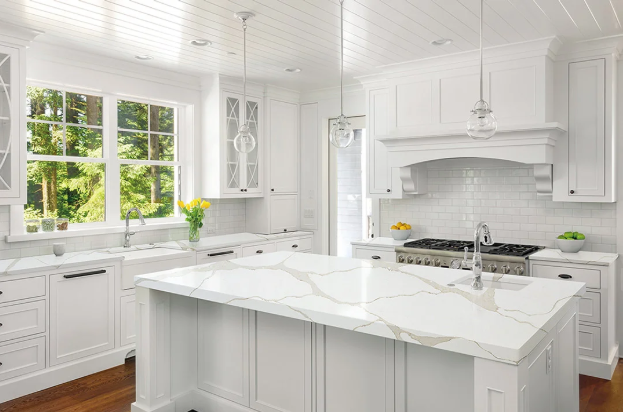
When fitting out a commercial kitchen—whether in a café, restaurant, hotel, or food prep facility—selecting the right worktop is a major decision that goes far beyond looks. The worktop must meet stringent hygiene standards, withstand daily wear and tear, and reflect the professional identity of the space. If you’re planning a commercial installation, understanding which kitchen worktop suppliers in Essex offer truly commercial-grade options is a practical necessity.
This guide breaks down the key considerations that influence your choice, helping you select worktops that align with your space’s function, aesthetic, and durability needs.
1. Material Durability vs. Aesthetic Appeal
While residential kitchens may prioritize style, commercial kitchens demand resilience first. The material must resist heat, abrasion, staining, and chemicals used in daily sanitizing. That said, visual appeal still matters—especially in open-plan commercial kitchens or client-facing hospitality spaces.
Popular choices include:
- Quartz: Durable and uniform in appearance, quartz resists staining and is easy to sanitize.
- Granite: A favorite for its natural elegance and resilience against heat.
- Stainless Steel: Industrial-grade and highly hygienic, but not suitable for every design scheme.
- Solid Surface (like Corian): Seamless, repairable, and sleek in appearance, though less heat-resistant.
Choosing between these depends on where aesthetics meet function in your space.
2. Heat and Moisture Resistance
In commercial environments, kitchen surfaces constantly face fluctuating temperatures. Hot pans, boiling water, and steam are routine. Materials like engineered quartz and granite have naturally high thermal resistance, making them well-suited for such settings.
Moisture is another silent threat. Worktops near sinks, dishwashers, or prep stations must be non-porous and sealed to prevent water ingress and eventual damage. A reputable kitchen worktops Essex provider will always walk you through the moisture resistance specifications of each surface type.
3. Maintenance and Hygiene Compatibility
Ease of cleaning isn’t a luxury—it’s a compliance requirement. Commercial kitchens must follow strict cleanliness protocols, so your chosen surface should allow for quick, thorough cleaning without harboring bacteria.
Quartz and solid surfaces typically offer the easiest maintenance, thanks to their non-porous nature. Granite also performs well, provided it is professionally sealed and maintained. If you’re considering natural stone, ask about the sealing process and recommended cleaning agents.
4. Fit and Customization Requirements
The layout of commercial kitchens often includes specialized equipment, integrated sinks, curved prep counters, or raised splashbacks. You need worktop providers who can offer precise customization—not just in shape and size, but also in thickness, edging profiles, and cutouts.
This is where working with experienced worktop suppliers Essex becomes valuable. Local providers often have templating services, on-site cutting capabilities, and installation support, ensuring your worktops integrate seamlessly with your overall kitchen plan.
5. Load-Bearing Strength and Longevity
Unlike home kitchens, commercial spaces often involve heavy-duty usage. Appliances may rest on worktops, staff may lean or load equipment repeatedly, and accidental impacts are inevitable. A worktop should not just resist surface damage—it must also be structurally sound over time.
Granite and quartz excel in this area. With thicknesses ranging from 20mm to 30mm and strong internal composition, they handle weight and impact better than budget materials. Avoid options that use layered plywood cores or laminated finishes, as these degrade faster under industrial conditions.
6. Style Matching and Brand Impression
In customer-facing businesses—like open kitchens, cafés, or catering showrooms—the worktop contributes to your brand image. Sleek, polished stone signals quality and professionalism. Warm tones may create a welcoming feel, while bold patterns may reinforce a modern, edgy brand.
Choosing the right color and finish helps reinforce your business’s identity. A matte white quartz top might suit a high-end bakery, while dark-veined granite could be ideal for a steakhouse or hotel kitchen.
Final Thoughts: Local Fit and Trusted Suppliers
Ultimately, selecting the right kitchen worktops Essex provider means balancing technical requirements with brand expression and lifecycle durability. Local businesses with commercial-grade experience are better suited to understand your specific space needs and provide tailored advice.
If you’re searching online or consulting peers, you’ll often come across recommendations that include granite suppliers near me—and for good reason. Granite combines unmatched visual appeal with durability that meets commercial performance standards. Whether you’re retrofitting a restaurant kitchen or outfitting a new hospitality space, always ensure your supplier provides authentic materials, expert installation, and detailed guidance from concept to completion.
 David Martinez
  Kate Willson