
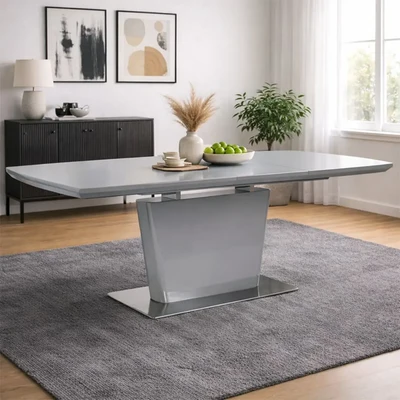
The dining room is one of the most important spaces in any home. It is where families share meals, friends gather for special occasions and everyday conversations take place. A well-planned dining area should offer comfort, functionality and an attractive appearance without making the room feel overcrowded. Whether you live in a spacious family house or a compact apartment, selecting suitable furniture can make a considerable difference to your interior.
A dining room set with bench is an excellent option for households that want a practical and sociable seating arrangement. Unlike conventional dining chairs, benches can accommodate multiple people, offer a relaxed appearance and help make better use of available floor space. However, before purchasing a dining set, it is important to consider several factors, from dimensions and materials to seating capacity and maintenance.
Here are 12 important points to consider before choosing the right dining furniture for your home.
1. Measure Your Available Dining Space
The first step is to understand how much room you have available. A dining set that looks attractive in a product photograph may not necessarily suit your home’s layout.
Measure the length and width of the dining area before browsing furniture collections. Also consider nearby walls, doors, windows and other furniture that may affect placement.
Leave sufficient space around the table so that people can sit comfortably and move freely. Remember to account for the additional space required when pulling out seating or accessing nearby cupboards.
Accurate measurements will help you avoid purchasing furniture that makes your dining room feel cramped.
2. Consider the Number of People in Your Household
Your dining furniture should accommodate the people who regularly use it.
A couple may only need a compact two- or four-seat arrangement, whereas larger families may prefer a table with additional seating capacity.
Think about how frequently you entertain guests as well. If friends and relatives visit regularly, a bench can provide additional flexibility without requiring several individual chairs.
Always check the product’s stated seating capacity and dimensions rather than relying solely on its appearance.
3. Select the Right Table Shape
Dining tables are available in different shapes, each offering particular advantages.
Rectangular tables are suitable for longer rooms and can accommodate several people along their sides. Round tables can work well in smaller spaces because they eliminate sharp corners and make movement around the furniture easier.
Square designs may suit compact dining areas, while oval tables combine a softer appearance with useful surface space.
Consider your room layout, preferred seating arrangement and everyday requirements before choosing a shape.
4. Pay Attention to Bench Dimensions
Bench dimensions are particularly important because they determine how comfortably people can sit together.
Check the length, height and depth of the bench before making a purchase. It should complement the dining table and provide adequate legroom.
A bench that is too long may restrict movement around the room, while one that is too short may not provide the seating capacity you require.
Also consider whether the bench has a backrest. Backless benches offer a streamlined appearance and can slide underneath the table, whereas backrest designs may provide additional support.
5. Choose Durable Furniture Materials
Furniture materials influence appearance, durability and maintenance requirements.
Wood is a popular choice for dining furniture because it creates a warm and welcoming atmosphere. Metal elements can introduce a contemporary or industrial appearance, while upholstered seating may provide additional comfort.
When comparing wooden furniture, check whether the product uses solid wood, engineered wood or a wood-effect finish. Each material has different characteristics and care requirements.
The best choice depends on your budget, interior preferences and how frequently the dining furniture will be used.
6. Match the Furniture with Your Interior Style
Your dining set should complement the existing appearance of your home.
For traditional interiors, natural wood tones and classic designs can create a timeless atmosphere. Contemporary homes may benefit from minimalist silhouettes, neutral colours and simple detailing.
You can also introduce contrast through different materials. For example, a wooden dining table paired with darker seating can create an attractive focal point.
Consider your wall colours, flooring, lighting and nearby furniture when selecting a finish.
7. Check Table Height and Legroom
A dining table should provide sufficient space for comfortable seating.
Standard dining table heights are generally around 74–76 cm, although individual designs may vary. Check the product measurements to ensure the bench and table work well together.
Adequate legroom is particularly important when several people use the furniture regularly.
Pay attention to the table’s support structure as well. Thick central supports or bulky legs can sometimes restrict where people sit.
8. Look for Easy-to-Maintain Surfaces
Dining furniture is exposed to food spills, drinks, crumbs and everyday wear.
Choose surfaces that are suitable for your household’s routine. Some finishes can be cleaned with a soft damp cloth, while other materials may require specific care products.
If you have young children, practical and easy-to-clean finishes may be especially useful.
Avoid assuming that every wooden surface requires the same treatment. Follow the manufacturer’s care instructions to preserve the furniture’s appearance.
9. Consider Additional Storage Options
A dining room often requires more than just a table and seating.
Crockery, serving dishes, cutlery and table linen all need suitable storage. A sideboard can provide a convenient place to organise these essentials while keeping the dining table clear.
A solid wood sideboard can also complement a wooden dining set and introduce natural warmth into the room.
Before purchasing additional storage, consider the amount of space available and the items you need to keep inside. Check cupboard dimensions, drawer arrangements and overall unit measurements.
10. Think About Comfort and Everyday Use
A dining set should be suitable for everyday meals as well as occasional celebrations.
Consider how long your family typically spends at the table. If you regularly enjoy long meals or host guests, comfortable seating becomes particularly important.
Benches offer a casual, sociable arrangement, but individual preferences vary. Some households may prefer a combination of a bench and traditional dining chairs.
The ideal arrangement should balance flexibility with comfort.
11. Review Delivery and Assembly Details
Before placing an online furniture order, check the delivery information carefully.
Large dining tables and benches may arrive in separate packages or require assembly. Review the product description for information about included fittings, assembly instructions and estimated delivery periods.
Measure doorways, staircases and access routes to make sure the furniture can reach the intended room.
Also check the retailer’s returns policy, particularly its requirements for packaging, product condition and return arrangements.
12. Compare Price with Overall Value
The cheapest dining set is not always the most suitable option.
Compare dimensions, materials, seating capacity, construction and available features before deciding. A product that suits your room and everyday requirements can offer better long-term value than an inexpensive alternative that does not meet your needs.
Consider your budget carefully and look for furniture that balances appearance, practicality and quality.
How to Create a Beautiful and Functional Dining Area
Once you have selected the main furniture, consider how to complete the room.
A pendant light above the table can create a focal point, while a simple centrepiece adds character without taking up too much surface space. Mirrors can help smaller rooms feel brighter, and neutral table accessories can complement natural wood finishes.
You can also introduce cushions, rugs and curtains to create a comfortable atmosphere. However, avoid excessive decoration that restricts movement or makes the room feel cluttered.
A carefully selected small dining room table can be particularly useful in compact homes, while suitable seating and storage help maintain an organised layout. Combining these elements with a complementary solid wood sideboard can create a coordinated dining space that remains practical throughout the year.
Conclusion
Choosing dining furniture requires more than selecting a design that looks attractive. Room measurements, seating capacity, materials, comfort, maintenance and delivery arrangements all deserve attention before you make a purchase.
For homeowners who want to explore practical dining furniture and coordinated storage options, Cozy Furniture Direct offers a variety of choices for different interiors and household requirements. Its collections make it easier to compare a dining room set with bench, explore a small dining room table and discover a solid wood sideboard for additional storage. By assessing your space and priorities, you can create a dining room that offers comfort, functionality and lasting style.
 David Martinez