
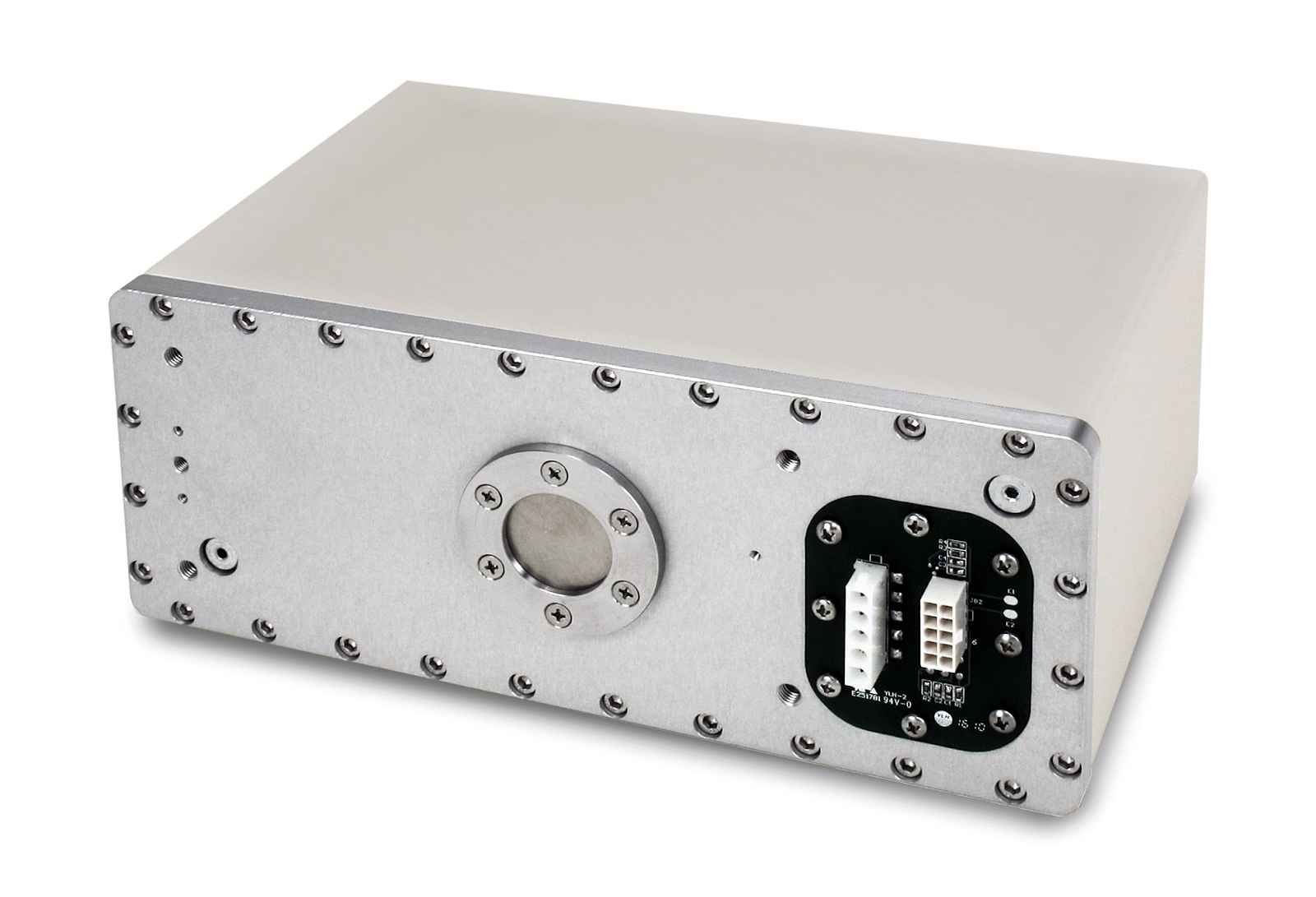
Laboratories operating in medical imaging, industrial inspection, and research environments are increasingly required to deliver precise results within restricted physical spaces. As facilities become more specialized, the demand for advanced imaging systems that function efficiently without occupying large footprints continues to grow. Innovations led by compact X-ray source manufacturers have made it possible to integrate high-performance X-ray systems into smaller labs without compromising safety, accuracy, or scalability. Modern X-ray technology now prioritizes intelligent design, seamless integration, and long-term adaptability for confined environments.
1. Space-Efficient System Architecture
Modern X-ray systems are designed with space optimization as a foundational principle. Rather than scaling down performance, engineers focus on refining layouts to deliver full functionality within minimal physical dimensions. This architectural approach ensures that labs can deploy advanced imaging even where space is at a premium.
- Reduced component footprint
Advanced manufacturing techniques allow critical components such as X-ray tubes, generators, and shielding to be significantly smaller. These reductions free up valuable laboratory space while preserving imaging capability. Compact components also simplify system placement in tight installations. - Integrated system layouts
Integrated layouts combine multiple functional elements into unified assemblies. This eliminates unnecessary spacing between subsystems and reduces overall system bulk. Efficient layouts also improve workflow by reducing cable clutter and installation complexity. - Minimal structural modifications
Compact systems are engineered to fit within existing laboratory structures. Reduced requirements for wall reinforcement or specialized enclosures allow faster deployment. Labs benefit from lower installation costs and minimal disruption to operations.
2. High Imaging Performance Within Small Enclosures
Despite their reduced size, modern X-ray systems deliver exceptional imaging quality. Technological advancements ensure that smaller enclosures do not limit resolution, consistency, or reliability across applications.
- Advanced beam control
Precision beam control technology ensures stable radiation output throughout imaging cycles. This stability supports accurate diagnostics and inspections even in confined system housings. Consistent beam quality enhances confidence in imaging results. - High-resolution detectors
Compact detectors are engineered to capture fine structural details without increasing system size. Their sensitivity supports clear imaging across varied use cases, from medical diagnostics to industrial analysis. Reduced detector size does not compromise image clarity. - Stable thermal management
Efficient thermal regulation prevents heat buildup during continuous operation. Compact cooling designs distribute heat evenly to protect sensitive components. Stable temperatures support consistent imaging performance over extended periods.
3. Flexible Integration Across Lab Environments
Space-limited labs often require systems that adapt to diverse operational conditions. Modern X-ray solutions are built with integration flexibility to support various facility layouts and equipment configurations.
- Modular system components
Modular designs allow labs to configure systems based on available space and specific imaging needs. Individual modules can be adjusted or upgraded without redesigning the entire setup. This flexibility supports efficient long-term planning. - Compatibility with existing infrastructure
Modern systems integrate seamlessly with current lab equipment and digital workflows. Compatibility reduces setup time and minimizes interruptions during implementation. Labs maintain continuity while upgrading imaging capabilities. - Support for mobile and fixed installations
Compact X-ray systems perform reliably in both stationary and semi-mobile configurations. This adaptability supports labs that need repositionable equipment or multi-purpose imaging setups. Space efficiency enhances operational versatility.
4. Enhanced Safety Within Confined Spaces
Operating X-ray systems in smaller labs requires rigorous safety measures. Modern compact designs incorporate advanced protection features without increasing physical size.
- Optimized radiation shielding
Advanced shielding materials contain radiation effectively within reduced dimensions. These materials protect operators while maintaining compliance with safety standards. Compact shielding eliminates the need for bulky external barriers. - Controlled exposure mechanisms
Precision exposure controls ensure radiation is delivered only when required. This reduces unnecessary exposure and enhances operational safety. Controlled output is especially important in confined lab environments. - Compliance-ready design
Compact systems are engineered to meet regulatory requirements without additional modifications. Built-in safety features simplify certification processes. Labs achieve compliance while maintaining limited space usage.
5. Efficient Workflow and Operator Accessibility
Compact X-ray systems are designed with operator efficiency in mind. Thoughtful layouts improve usability without demanding additional space.
- Streamlined control interfaces
Centralized and intuitive interfaces simplify system operation. Reduced complexity shortens training time and lowers the risk of errors. Efficient controls improve productivity in small lab settings. - Accessible maintenance points
Key maintenance components are positioned for easy access despite compact construction. Routine servicing can be performed without dismantling the system. Improved accessibility supports higher uptime and lower maintenance effort. - Optimized operator positioning
Ergonomic layouts allow operators to work comfortably in confined areas. Proper positioning reduces physical strain and supports accuracy. User-focused design enhances long-term operational efficiency.
6. Energy Efficiency and Thermal Control
Energy-conscious design is critical for compact labs with limited power and cooling capacity. Modern systems balance performance with sustainability.
- Lower power consumption
Efficient electronics reduce energy usage without limiting imaging output. Lower power demands suit labs with restricted electrical infrastructure. Energy efficiency contributes to cost control and operational stability. - Improved cooling mechanisms
Compact cooling systems regulate temperature effectively within small enclosures. Intelligent airflow design prevents overheating during prolonged use. Reliable cooling ensures consistent system performance. - Extended component lifespan
Stable thermal conditions reduce wear on internal components. Longer component life improves system reliability and reduces replacement costs. Efficient design enhances long-term value.
7. Customization for Specialized Applications
Space-limited labs often support specialized imaging tasks. Modern X-ray systems offer customization without increasing footprint.
- Application-specific configurations
Systems can be configured for medical diagnostics, industrial inspection, or research applications. Tailored settings enhance imaging precision for specific tasks. Customization improves relevance across industries. - Scalable performance options
Adjustable output levels allow labs to match system capability to actual requirements. Avoiding overbuilt systems conserves space and energy. Scalability supports efficient resource use. - OEM-level adaptability
Solutions such as VJ X-Ray OEM solutions enable seamless integration into specialized equipment. OEM adaptability supports innovation while maintaining compact system dimensions.
Conclusion
Modern X-ray systems have transformed imaging possibilities within space-limited laboratories by combining compact architecture, high performance, and flexible integration. These advancements enable labs to operate safely and efficiently without compromising imaging quality or scalability. VJ X-Ray supports this evolution through precision-engineered imaging technologies and tailored OEM capabilities designed for confined environments. By focusing on intelligent design and adaptable solutions, VJ X-Ray empowers laboratories to achieve advanced imaging outcomes while maximizing the value of limited space.
 Kate Willson