
Introduction:
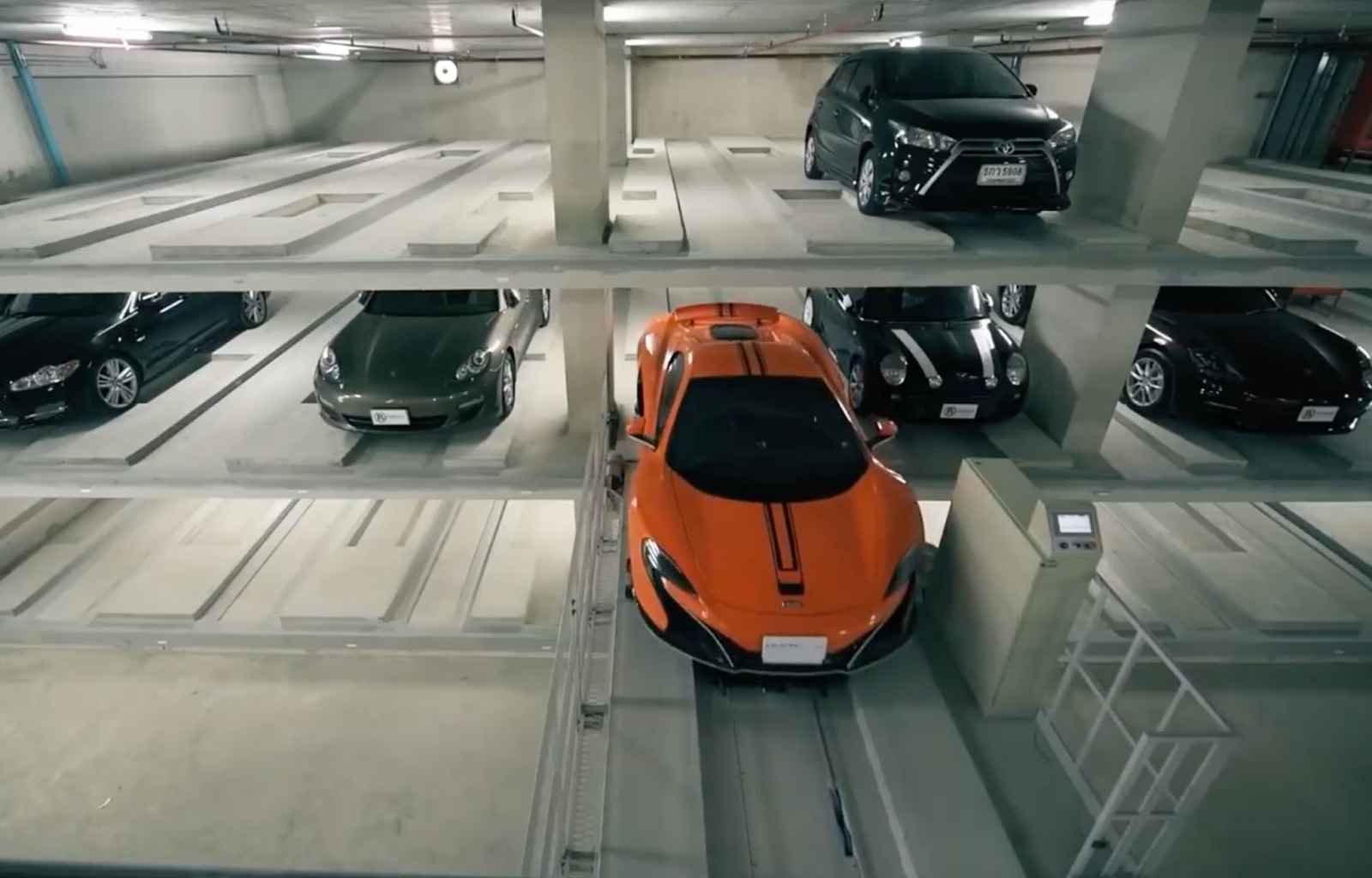
As cities continue to grow vertically and horizontally, urban planners face the ongoing challenge of maximizing limited space while ensuring efficiency, safety, and sustainability. Traditional parking facilities no longer meet the expectations of modern infrastructure, where time, convenience, and technology intersect. The rise of the autonomous parking system represents a transformative shift in how vehicles are managed and stored, allowing for smarter, space-efficient, and automated operations. However, integrating these advanced systems into urban environments comes with its own complexities from design and cost to maintenance and public adaptation.
Below are the key obstacles faced during the implementation of automated parking solutions and some actionable insights for overcoming them.
1. Space Optimization and Structural Limitations
One of the biggest hurdles in integrating smart parking technologies into existing cities is the constraint of available land and building layouts. Urban areas often have limited horizontal space, forcing developers to think vertically or retrofit older structures to accommodate new systems.
This parking system relies on precision engineering, advanced sensors, and mechanical lifts that require specific dimensions and load capacities. Retrofitting existing buildings without disrupting surrounding infrastructure can be a complex process.
The solution lies in parking lot automation designs that prioritize modular and customizable layouts. Smart layouts, rotating platforms, and vertical stacking technologies enable efficient use of vertical and underground spaces. When combined with real-time data systems, developers can achieve maximum space utilization without compromising vehicle accessibility or safety standards.
2. Integration of Technology and Connectivity
Modern parking automation depends heavily on seamless integration between mechanical components, software, and data networks. Challenges often arise when systems fail to communicate efficiently, leading to operational delays or mechanical faults.
Implementing an autonomous system requires synchronized technology from sensor-driven car lifts to automated ticketing and surveillance. Any delay in data transmission can affect the overall user experience and system performance.
To address this, developers must invest in robust IoT-based infrastructures and high-speed connectivity networks. Using centralized control software and predictive analytics ensures smooth coordination between vehicles and mechanical systems. Moreover, adopting cybersecurity protocols is essential to protect system data and prevent potential disruptions or breaches in automated operations.
3. Cost Implications and Return on Investment
While the benefits of automation are undeniable, the initial installation costs can be a major concern for project developers and investors. The financial outlay includes advanced machinery, smart sensors, and maintenance mechanisms such as platform lift elevators, which are integral to moving vehicles across multiple levels.
Although these systems demand a higher upfront investment, they deliver long-term savings through optimized land use, reduced manpower, and increased parking capacity. The key is to analyze the cost-to-benefit ratio and explore scalable implementation strategies.
Phased deployment, government-backed smart city incentives, and public-private partnerships can ease the financial burden. Over time, automated parking solutions not only enhance user convenience but also contribute to sustainable urban growth, making them a worthy investment for developers aiming for future-ready infrastructure.
4. Safety, Maintenance, and Operational Reliability
Safety and reliability form the backbone of every parking facility. In automated systems, where vehicles and machinery coexist, even minor technical errors can result in costly downtime or safety risks. Challenges often arise in maintaining synchronization between multiple lifts, sensors, and software-driven control units.
Regular inspection of platform elevators, hydraulic systems, and electronic circuits is crucial to ensure uninterrupted operation. Incorporating predictive maintenance technologies that identify potential malfunctions before they occur helps maintain reliability.
Furthermore, compliance with international safety standards and routine staff training should be a priority. Smart automation doesn’t eliminate human oversight, it enhances it by enabling real-time monitoring and preventive maintenance alerts. This proactive approach not only improves longevity but also builds public trust in automated parking solutions.
5. User Adaptation and Public Acceptance
Despite the technological brilliance behind parking automation, public perception and usability remain significant challenges. Drivers accustomed to traditional parking methods may initially find automated systems intimidating or complex. Issues like unclear instructions, insufficient signage, or poor interface design can discourage adoption.
To overcome this, urban planners and developers must focus on user experience from the design stage. Intuitive interfaces, touchless access systems, and clear visual guidance can make automation feel effortless and accessible.
Educating users through on-site staff, demonstrations, and digital communication also helps bridge the gap between technology and comfort. Once users experience the convenience, safety, and time savings of automation, acceptance and confidence grow organically; paving the way for broader integration in cities worldwide.
6. Sustainability and Energy Efficiency Considerations
As global cities move toward eco-conscious infrastructure, sustainability becomes a defining factor in any development project. Automated parking facilities consume power for lighting, sensors, and platform elevators, making energy efficiency essential.
Developers can adopt green building practices, such as energy-efficient motors, motion-sensing LED lighting, and solar-powered systems to reduce environmental impact. Smart ventilation and heat recovery systems can also enhance efficiency by optimizing temperature control within enclosed parking structures.
In addition, reducing vehicle idling times through automation lowers carbon emissions, contributing to cleaner air in dense urban areas. A sustainable parking system that is autonomous not only aligns with modern environmental goals but also strengthens a city’s commitment to innovation and green living.
Conclusion:
Deploying an autonomous parking system in urban environments is no longer just a futuristic idea, it’s a necessity for sustainable city growth. While challenges such as cost, connectivity, user adaptation, and safety persist, they are far outweighed by the long-term benefits of automation, efficiency, and smarter land use.
By combining intelligent design, advanced mechanical systems, and sustainable engineering practices, modern cities can redefine how vehicles are parked and managed. For developers and urban planners seeking to integrate these systems seamlessly, choosing trusted partners in automation technology ensures long-term reliability and innovation.
To explore advanced parking automation and vertical lift solutions designed for smart urban spaces, connect with Gitech Lifts & Escalators, a company dedicated to delivering next-generation mobility and automation excellence. With a strong focus on innovation, safety, and sustainable technology, they continue to redefine the standards of modern infrastructure through intelligent systems that enhance efficiency, convenience, and long-term value for every project.
 Kate Willson