
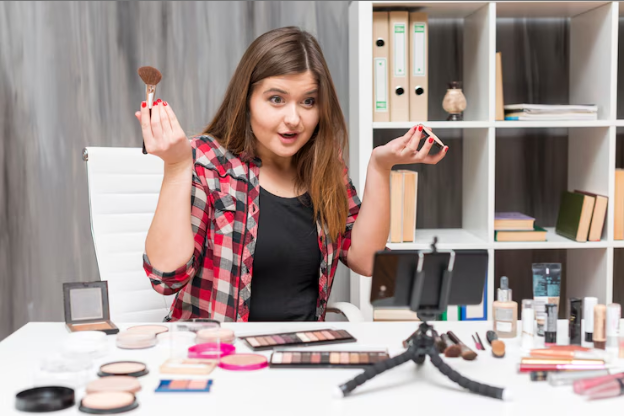
In the competitive world of beauty and cosmetics, stunning visuals are more than a luxury—they’re essential. Whether you’re a brand, influencer, or freelance photographer, mastering the art of makeup product photography can be the difference between standing out or getting lost in a saturated market. This comprehensive guide explores the essential tips, gear, and techniques that will elevate your product imagery to a professional level and help build brand trust and engagement.
Understanding the Purpose of Makeup Product Photography
At its core, makeup product photography is about accurately and attractively representing products such as lipsticks, foundations, eyeshadow palettes, and skincare items. The goal is not only to showcase the product’s aesthetic appeal but also to reflect its quality and usability. High-quality images can influence purchase decisions, enhance brand perception, and increase conversion rates on e-commerce platforms and social media.
Essential Gear for Makeup Product Photography
While creativity plays a big role, the right equipment significantly impacts the outcome of your photos. Here’s a breakdown of essential gear to get started:
- Camera: A DSLR or mirrorless camera with manual settings is ideal for controlling exposure, focus, and depth of field. Popular choices include the Canon EOS R, Nikon Z series, or Sony A7 series. If you’re just starting out, even a high-end smartphone with manual mode can work.
- Lenses: A macro lens is particularly useful for capturing fine details and textures of makeup products. A 50mm or 100mm prime lens with a wide aperture will give you crisp, close-up shots with beautiful background blur.
- Tripod: A sturdy tripod ensures sharp images by stabilizing the camera during shoots. It also helps maintain consistent framing, especially for batch shooting.
- Lighting Equipment: Good lighting is critical. Natural light can be used effectively, but for full control, invest in softboxes, LED light panels, or ring lights. A lightbox or mini studio can help evenly light small items like lipsticks or compacts.
- Backgrounds and Props: Neutral backgrounds such as white, black, or grey work well for e-commerce, while textured or styled backdrops can be used for creative social media content. Acrylic risers, mirrors, and themed props can enhance the visual appeal.
Techniques for Capturing Stunning Product Shots
Once your gear is in place, applying the right techniques will ensure your makeup product photography reaches a professional standard.
- Plan Your Composition: Before picking up your camera, think about the shot’s purpose. Are you shooting for a website listing, Instagram post, or print ad? Each requires a slightly different style and composition. Rule of thirds, symmetry, and negative space are useful compositional tools.
- Focus on Lighting: Avoid harsh shadows or overexposed highlights. Use diffusers or bounce cards to soften light. Experiment with side lighting to create depth and dimension or use backlighting for a dramatic effect.
- Keep It Clean and Polished: Makeup products can easily show fingerprints, dust, or smudges. Always clean your products before shooting and retouch any imperfections in post-processing. Use gloves during setup to avoid marks.
- Highlight Textures and Finishes: Whether it’s the shimmer in an eyeshadow or the glossiness of a lip product, capturing textures accurately is crucial. Use angled lighting and macro shots to emphasize surface qualities.
- Experiment with Angles: Shoot from multiple perspectives—top-down, straight-on, or angled—to find the most flattering views. Flat lays work well for groupings of products, while eye-level shots are ideal for packaging focus.
- Use Color Theory: Complementary backgrounds and props can make product colors pop. For example, warm-toned props enhance reds and oranges, while cool tones work well with blues and purples.
Editing and Post-Processing
Post-processing is where your photos come to life. Use software like Adobe Lightroom or Photoshop to enhance sharpness, adjust exposure, and correct color balance. Pay attention to white balance, especially when photographing foundations or concealers, as color accuracy is essential.
Avoid over-editing, which can misrepresent the product. The goal is to make the image clean and appealing while staying true to the product’s real-life appearance.
Tips for Social Media and E-Commerce Platforms
When photographing for online platforms, understand the different requirements. E-commerce sites like Amazon or Shopify often require white backgrounds and specific aspect ratios. For Instagram or Pinterest, more creative and styled shoots are encouraged. Always optimize your images for web use by compressing file sizes without sacrificing quality.
Conclusion
Makeup product photography is both an art and a science. With the right gear, thoughtful techniques, and attention to detail, you can create captivating images that reflect the true beauty and quality of cosmetic products. From solo entrepreneurs to established brands, mastering this craft is a powerful way to communicate value and inspire trust. As consumer expectations for visual content continue to rise, investing in high-quality beauty product photography is more important than ever.
 David Martinez
  Kate Willson