
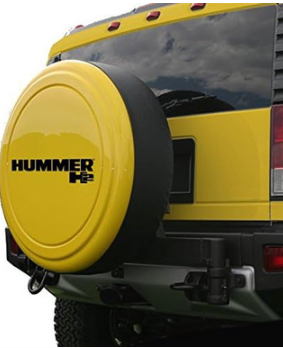
Customizing your vehicle can be as simple as upgrading its wheel aesthetics. Painted wheel covers are an affordable and effective way to enhance your car’s style while protecting its wheels. Whether you want a bold statement or a subtle complement to your vehicle’s color scheme, understanding the techniques and considerations behind painted wheel covers ensures a professional finish and long-lasting results.
Choosing the Right Wheel Covers
Before starting any painting project, select painted wheel covers that are compatible with your vehicle. Covers come in various materials such as plastic, aluminum, or steel. Each material requires a specific type of paint and preparation process to ensure adhesion and durability. Additionally, consider the size, design, and shape to match your car’s style and personal preferences.
Preparing the Surface
Proper surface preparation is key to achieving a smooth and long-lasting finish. Clean the wheel covers thoroughly to remove dirt, grease, and brake dust. Use a degreaser or mild detergent and rinse with water. Sand the surface lightly to create a texture that helps the paint adhere better. For best results, use fine-grit sandpaper and work evenly across the cover’s surface.
Selecting Paint and Finish
Choosing the right paint is crucial for both aesthetics and durability. High-quality automotive spray paints are ideal for painted wheel covers, as they withstand heat, UV rays, and road debris. You can select from glossy, matte, or metallic finishes depending on the look you desire. A clear protective coat is recommended to seal the paint, prevent scratches, and extend the life of your custom wheel covers.
Applying the Paint
To paint wheel covers effectively, follow these steps:
- Masking: Use painter’s tape and newspaper to cover areas you do not want painted.
- Priming: Apply a thin coat of primer suitable for the wheel cover material. This helps the paint adhere and reduces chipping.
- Painting: Spray the paint evenly in multiple thin layers, allowing each layer to dry before applying the next. This prevents drips and ensures a smooth finish.
- Sealing: Finish with a clear coat to protect against weather conditions and road debris.
Tips for a Professional Look
- Work in a Ventilated Area: Always paint in a well-ventilated space or outdoors to avoid inhaling fumes.
- Even Distance: Hold the spray can at a consistent distance from the wheel cover to avoid uneven application.
- Patience: Allow adequate drying time between coats to achieve a smooth and durable finish.
Maintenance of Painted Wheel Covers
After installing your custom-painted wheel covers, it’s important to commit to regular maintenance to keep them looking their best. Start by cleaning the wheel covers gently with a mixture of mild soap and warm water. Use a soft cloth or sponge to avoid scratching the paint; steer clear of any abrasive brushes or scouring pads that could damage the surface.
In addition to regular cleaning, make it a habit to inspect your wheel covers periodically for any signs of wear, such as chips, scratches, or fading. If you notice any imperfections, touch up the affected areas promptly with matching paint to prevent further damage and to maintain the overall appearance.
Using Spare Tire Covers
In addition to wheel covers, spare tire covers can also enhance your vehicle’s appearance while protecting the spare from sun exposure and dirt. Many painted designs or custom graphics are available for tire covers, allowing them to complement the style of your main wheels. Consider matching the paint color and design to your painted wheel covers for a cohesive look.
Conclusion
Painted wheel covers are a simple yet effective way to personalize your vehicle, improve its aesthetic appeal, and protect its wheels. Proper selection, surface preparation, painting techniques, and maintenance are essential for achieving a professional and long-lasting finish.
 David Martinez
  Kate Willson