
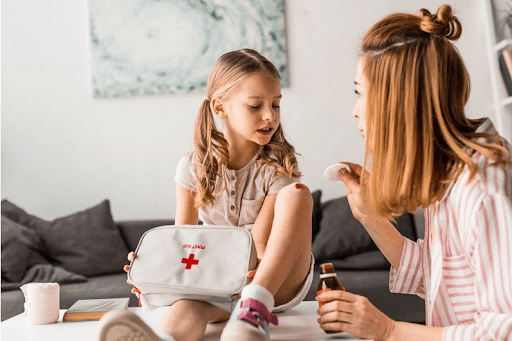
A scraped knee or a sudden cough can turn an ordinary day into a moment of worry when it involves a child. You know that feeling—the quick pulse the rush to help—the hope you’ll do the right thing. Paediatric first aid isn’t a distant skill for professionals; it’s a practical necessity for parents carers and anyone who spends time with children.
You want to be prepared for anything from minor mishaps to urgent emergencies. Knowing what to do can make all the difference before medical help arrives. With the right knowledge you’ll feel confident to act quickly and calmly giving children the best possible care when they need it most.
Common Childhood Emergencies
Children launch themselves into life with boundless energy and curiosity, so you will find that emergencies don’t tick boxes or wait. You might spot a toy disappearing into a little mouth or witness a cup of tea sending steam above young hands. Are you ready?
Choking and Airway Obstruction
Choking can turn a cheerful scene silent in seconds. Toys, grapes, coins—your child might explore every corner with their mouth, just as you blink. You should act quickly if they clutch their neck, cough without noise, or their skin turns dusky. Your response? Short sharp back blows between the shoulder blades if you see distress and hear silence or gasping. You might find that with infants, supporting the head makes all the difference. How will your actions echo in moments like these? Eyes wide, palms steady, you will notice colour and rise or fall of the chest. You can never anticipate when they try to swallow what you least expect.
Burns and Scalds
Scalded skin, angry red and blustering, sings out for rapid relief. Child’s hands dart towards boiling kettles faster than you fathom. You will dash to the tap and run water that flows cool and strong for a full twenty minutes. Every ring, mark or blister tells a tale, but you might find that layers of clothing can stick, so never try to peel fabric away yourself. Panicked, questioning eyes might lock with yours as you shield from infection—cling film wrapped loosely is your ally. What memories do the smell of burnt toast or the sting of a splatter bring to your mind? Burns etch moments deep, yet cool water becomes your thread of hope.
Allergic Reactions
Allergens might linger in biscuits, pollen, even your pet’s fur. Watch for eyes that swell, lips that puff, and a rash spreading like spilled paint. Your child can swing from comfortable to panicked, breath catching, wheeze whistling through the throat. You should call for an ambulance the moment breathing strains appear. You might find that children with prescribed adrenaline auto-injectors need swift help—firm, confident hands in the outer thigh. What would you spot first, the blotchy skin or the fear behind their eyes? You can steady your own breath as you check pulse, monitor changes, recall training. Allergic reactions write their symptoms boldly, and you will meet them eye to eye.
Essential First Aid Techniques For Children

You step into the thick of childhood emergencies and the ground beneath you feels unpredictable yet crucial First aid knowledge stacks the odds for your confidence each skill can be a lifeline If you’ve wondered how your response could shift an outcome here you’ll see
CPR For Infants And Children
CPR with children can set your heart racing Your hands feel heavy but here you guide life with steady palms Press the chest gently for infants using two fingers just below the nipple line With children your heel works best and you will press deeper but not too much Your rescue breaths are smaller and must see the chest rise If you wonder how long two minutes can feel try it on a quiet afternoon you’ll notice the effort it brings It matters to check responsiveness first Look for movement sound anything hinting at awareness You might have to switch speeds between compressions and breaths for infants and older children You’ll find the memory fixes fast once real urgency calls
Creating A Safe Environment
Walk into any room designed for children, you will see sharp corners lurking, sockets gleaming in the walls, sometimes toys scattered like little traps underfoot. You will start by considering floor level hazards because crawling infants and toddling toddlers can explore every nook. Rugs that bunch under toes can trip you up, so you might want to anchor them firmly or clear them away entirely. Tables with pointed edges call for rounded cushions, though you never find the corners soft on their own. Socket covers turn easy targets into puzzles, making curious fingers pause. You can picture heavy furniture looming over play spaces, so fastening bookcases and cupboards to the wall offers peace of mind.
Doors catching little hands can cause shrieks, you will spot pinch guards standing sentinel there, stopping a smash. Bathroom adventures might involve water, yet hot taps burn fast, and thermostatic controls taming the heat deliver relief from worries. Keep cleaning chemicals behind locks or on a high shelf, never out in the open, though labels with bright colours sometimes lure more than warn. Choking hazards play a silent game—small batteries tucked in toy cars or loose coins rolling under sofas. Have you swept underneath, or does something wait to catch you off guard?
Outdoor spaces invite another inspection altogether. Would you spot an open gate Meandering walkways bordered with pebbles or bark attract, but you will check nothing smaller than a grape stones pose risk. Prickly plants and low-hanging branches tempt climbing; you might prune or block off such spots. Paddling pools and buckets collect rainwater overnight, turning into dangers that creep up. Have you emptied them lately?
First aid supplies hide in the kitchen or hallway—reaching for plasters and antiseptic wipes becomes second nature with children, though you will always want a kit close to hand. Expiry dates matter, medicines fade into ineffectiveness like faint memories. Does your torch have fresh batteries?
Take nothing for granted! Your careful eye, your repetition of safety checks, your choice of questions—all steer the atmosphere closer to calm.
Final Thoughts
Your commitment to learning paediatric first aid demonstrates a genuine dedication to children’s wellbeing. When you’re equipped with the right skills and a calm approach you can make a profound difference during emergencies.
Staying informed and practising your techniques regularly will help you act swiftly and decisively when it matters most. By fostering a safe environment and maintaining your readiness you give children the best chance to thrive and recover should the unexpected occur.
For More Info Visit:- beforeitbusiness.com
 Kate Willson
  David Martinez