
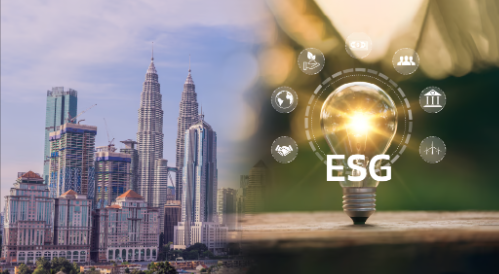
Corporate governance has evolved beyond traditional financial oversight to include transparency in sustainability practices. In Malaysia, organisations are increasingly turning to digital tools to strengthen accountability and streamline reporting. One important enabler in this transition is Malaysia’s sustainability reporting software, which provides businesses with the ability to collect, manage, and disclose sustainability-related data effectively. By aligning governance with sustainability, companies can build trust and ensure long-term value creation.
The Role Of Technology In Modern Governance
Enhancing Transparency
Transparency is at the heart of good governance. Digital reporting platforms allow organisations to centralise environmental, social, and governance data in a single system. This reduces errors, prevents selective disclosure, and ensures that sustainability reporting remains consistent and verifiable.
Improving Accountability
Corporate leaders are responsible not only for financial integrity but also for demonstrating how their operations impact the environment and society. With Malaysia’s sustainability reporting software, companies can track their progress against internal policies and external frameworks, ensuring that board members and executives are accountable to stakeholders.
How Sustainability Reporting Software Strengthens Corporate Governance
1. Streamlined Data Collection
Manual data gathering often leads to gaps or inaccuracies. Automated tools allow companies to pull information from multiple departments, consolidating it into a reliable format. This makes reporting both efficient and credible, supporting governance structures that rely on accurate disclosures.
2. Real-Time Monitoring
Strong governance requires timely oversight. Reporting software enables real-time monitoring of sustainability metrics such as emissions, energy use, or waste management. Boards and committees can make informed decisions quickly, reducing risks and identifying opportunities.
3. Integration With Global Standards
Malaysia’s regulatory landscape is influenced by international sustainability frameworks. Advanced reporting software often comes with built-in alignment to these standards, making it easier for businesses to comply. By doing so, companies not only meet local requirements but also strengthen their global credibility.
4. Risk Management And Forecasting
Governance is not just about current performance but also about anticipating future risks. With scenario analysis and predictive tools, sustainability reporting software can help organisations assess potential environmental, regulatory, or reputational challenges. This supports boards in their responsibility to safeguard long-term shareholder and stakeholder interests.
Supporting Board-Level Oversight
Linking Data To Governance Structures
Good governance requires more than raw data—it requires insight. Reporting software provides dashboards and analytics that translate sustainability metrics into board-level information. This ensures directors are not overwhelmed with technical details but receive clear, actionable insights.
Strengthening Stakeholder Communication
Boards are often challenged to communicate effectively with diverse stakeholders, from regulators to investors and customers. By leveraging structured sustainability reports, companies can demonstrate integrity and responsiveness. This builds trust and reduces the risk of governance-related disputes.
Challenges And Best Practices
Overcoming Adoption Barriers
Not all companies are quick to adopt new systems. Resistance may come from concerns over costs or change management. The best practice is to implement software gradually, starting with key reporting areas and expanding as internal capacity grows.
Ensuring Data Quality
Software can only be effective if the data input is reliable. Companies must establish internal controls and verification mechanisms to ensure that the information feeding into the system reflects reality.
Keeping Pace With Evolving Standards
Sustainability expectations continue to shift globally and locally. To maintain strong governance, organisations should choose flexible software solutions that can adapt to new reporting requirements over time.
Conclusion
Corporate governance in Malaysia is no longer limited to financial disclosures; it now extends to sustainability performance and accountability. By adopting Malaysia’s sustainability reporting software, businesses can improve transparency, enhance oversight, and strengthen communication with stakeholders. These systems enable boards to manage risks, forecast challenges, and ensure compliance with evolving standards. Ultimately, integrating sustainability reporting tools into governance frameworks not only meets regulatory demands but also builds trust, credibility, and resilience for the future.
 David Martinez
  Kate Willson