
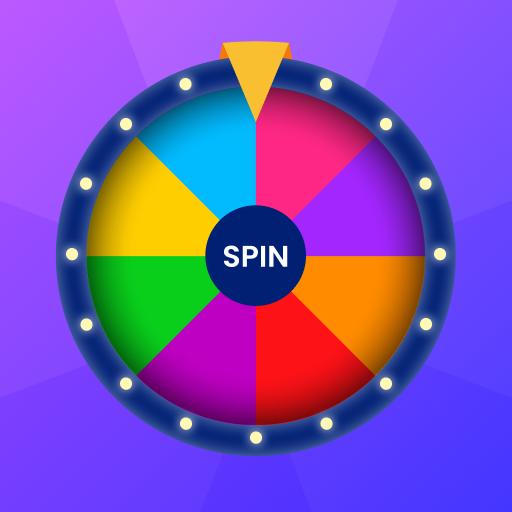
The event operations team had already verified participant entries, removed duplicate submissions, and finalized eligibility requirements before the audience joined the livestream. With hundreds of viewers waiting for a result, the remaining challenge involved choosing a winner through a process everyone could see and understand. In these situations, visibility becomes part of the experience rather than a technical requirement.
Across schools, workplaces, content channels, gaming communities, and promotional campaigns, visual randomization tools have become integrated into everyday workflows. Instead of relying on manual methods that require explanation afterward, organizers increasingly use spin the wheel systems to display every available option before a selection occurs. The approach combines transparency, engagement, and efficiency in a single process.
Transparency Has Become a Core Requirement
Participant expectations have changed significantly during the past few years. Audiences no longer focus solely on the outcome of a selection process. They also want confidence that every entry received equal consideration and that the procedure remained visible from beginning to end.
For organizers, transparency reduces unnecessary disputes while improving credibility. When users can observe how options are presented and how results are generated, acceptance rates increase regardless of which outcome appears at the end of the process.
Why Visual Selection Methods Continue to Expand
Digital communities operate across multiple platforms and devices. Because of this shift, organizers need tools that work immediately without requiring downloads, installations, or extensive training before use.
Browser-based wheel systems meet those expectations by providing a straightforward interface that supports participation across desktops, tablets, and mobile devices. Their accessibility makes them useful for professional, educational, and recreational environments alike.
Operational Uses Across Different Environments
Modern organizations apply wheel-based selection methods in a wide variety of situations. The objective extends beyond entertainment because these tools frequently support routine administrative activities.
Several common use cases continue to drive adoption rates across industries:
- Event winner selection
- Team activity assignments
- Classroom participation management
- Discussion topic allocation
- Content planning sessions
These applications demonstrate how visual randomization has evolved into a practical workflow component rather than a novelty feature.
Giveaway Administration
Promotional campaigns often require a visible method for selecting winners from large entry pools. A visual wheel allows audiences to see every option before the selection process begins.
Because participants can observe the process directly, organizers spend less time responding to fairness concerns after results are announced.
Classroom Participation
Educators regularly face challenges involving balanced student participation. Some learners volunteer frequently, while others rarely contribute during discussions.
Randomized selection methods help distribute opportunities more evenly while maintaining student engagement throughout instructional sessions.
Team Assignment Activities
Project leaders frequently need methods for assigning responsibilities, presentation order, or workshop groups without introducing personal bias.
A randomized process helps ensure that assignments appear objective, reducing unnecessary discussion around allocation decisions.
Community Engagement Programs
Online communities often rely on interactive activities to maintain member participation. Selection wheels create moments of anticipation while encouraging audiences to remain involved throughout events.
This approach works particularly well during livestreams, contests, and collaborative community initiatives.
Customization Supports Broader Adoption
Organizations rarely operate under identical requirements. Different audiences, event formats, and operational objectives create demand for adaptable selection tools.
Customization options allow users to modify wheel appearance, entry structure, and selection behavior according to specific needs. As a result, the same platform can support educational exercises one day and marketing campaigns the next.
Features That Improve Administrative Efficiency
Administrative teams often evaluate technology according to implementation speed and operational simplicity. Several features contribute directly to workflow improvements.
Flexible Entry Management
Users can create wheels containing names, numbers, tasks, categories, prizes, or discussion topics. This flexibility eliminates the need for separate applications across different use cases.
Teams can update entries quickly without rebuilding the entire wheel structure each time requirements change.
Adjustable Visual Settings
Customization controls improve usability during presentations, public events, and online broadcasts where visibility affects audience experience.
Larger displays, distinct segment designs, and configurable wheel layouts help organizers maintain clarity throughout the selection process.
Entry Removal Functions
Some workflows require selected options to disappear after a result is generated. This capability prevents repeat selections and supports ongoing activities involving multiple rounds.
For recurring events, the feature simplifies administration while preserving fairness.
Weighted Selection Controls
Certain situations require specific entries to receive different probabilities. Weighted configurations provide additional flexibility while maintaining a transparent visual framework.
Organizations can tailor selection behavior according to event requirements without abandoning the familiar wheel format.
Audience Engagement Extends Beyond Results
Many selection methods focus entirely on producing an answer. Interactive wheels add another dimension by creating anticipation before the result appears. Viewers remain attentive because the process unfolds visually rather than instantly. The brief period between initiation and selection often generates discussion, speculation, and participation among audience members.
For content creators, this increased engagement can become as valuable as the outcome itself. Interactive moments frequently encourage viewers to remain active throughout broadcasts and events.
Decision Fatigue Creates Operational Challenges
Organizations make hundreds of minor decisions throughout a typical week. While major strategic choices deserve extensive discussion, routine selections often consume more time than their importance justifies.
Randomized systems reduce unnecessary deliberation when multiple acceptable options exist. Instead of revisiting the same conversation repeatedly, teams can generate a result and continue focusing on higher-priority objectives.
Building Confidence Through Visibility
Trust depends heavily on what participants can observe. Hidden processes often generate questions even when outcomes are legitimate and unbiased.
Visible selection systems address this challenge by displaying available options before activation. Participants understand the available choices, observe the process, and witness the final result within the same interface.
Final Thoughts
Looking for a simple way to make routine selections more engaging while maintaining visibility throughout the process? Wheel Decide provides customizable wheel-based tools that support giveaways, classroom activities, team assignments, content planning, audience participation, and everyday decision-making. Through adjustable settings, flexible entry management, weighted options, and user-friendly controls, the platform helps transform ordinary selections into an experience participants can follow with confidence. For organizations and individuals seeking an interactive approach to fair decision-making, a spin the wheel picker offers both practicality and engagement in a single solution.
 Renuka