
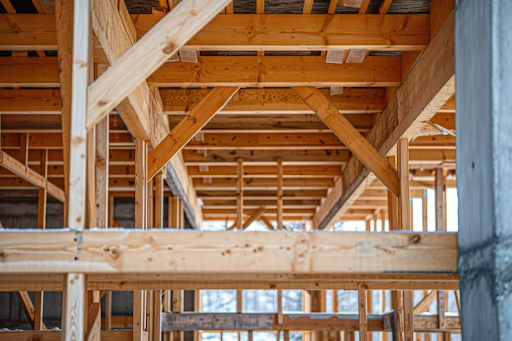
In recent years, commercial timber frame structures have become more visible in public and business environments—from entry canopies and pavilions to outdoor dining shelters and campus gathering spaces. Exposed timber framing provides both structural support and a distinctive visual language that stands out against more common steel and concrete forms. When used intentionally, it can help a project feel warm, memorable, and aligned with its surroundings.
Where Timber Frame Appears In Commercial Projects
Timber frame commercial buildings and components show up in many contexts: hospitality, retail, education, civic campuses, resorts, and mixed‑use developments. Often, the frame is concentrated at key points such as:
- Main entrances and drop‑off zones.
- Covered walkways or breezeways between buildings.
- Outdoor pavilions, dining areas, or event spaces.
- Focal structures in plazas or courtyards.
In these locations, the timber elements do more than carry loads—they help visitors intuitively understand where to enter, gather, or pause.
Why Timber Frames Work Well In Commercial Settings
Timber framing creates a visible connection between structure and space. Large posts and beams reveal how the roof is supported, which can make public spaces feel more grounded and human‑scaled. This visible structure can soften the impression of large buildings, especially when paired with landscaping and natural materials.
From a branding perspective, exposed wood elements often convey warmth, craftsmanship, and attention to detail. For hotels, restaurants, or retail centres, this can be part of the story they want to tell about comfort, quality, or connection to nature.
Design Considerations For Commercial Timber Frame Construction
In commercial timber frame construction, design decisions must balance aesthetics, function, and regulatory requirements. Compared to purely residential work, there is typically more emphasis on:
- Clear spans for pedestrian and vehicle circulation.
- Accessibility and wayfinding for diverse users.
- Compliance with codes related to occupancy, fire, and structural performance.
The frame must be sized and detailed to handle expected loads while coordinating with other building systems such as glazing, cladding, and mechanical services. Early collaboration between architects, engineers, and timber specialists makes it easier to integrate these pieces.
Integrating Timber Frames With Other Materials
Commercial projects rarely use timber alone. Steel, concrete, masonry, and glass are usually part of the palette. Successful designs treat the timber frame as one layer in a coordinated system. For example, a timber canopy might tie into a masonry facade, or a timber pavilion might sit on concrete foundations with metal roofing overhead.
Transitions between materials—where timber meets steel brackets, where beams connect to walls, or where posts meet grade—require careful detailing. These junctions affect both the longevity of the structure and the clarity of the design.
Experiential Qualities: Light, Shelter, And Scale
Exposed timber can influence how people feel in a space. Overhead beams and trusses, for example, create a sense of shelter and rhythm that can make large open areas feel more intimate. The way light passes between members and falls on wood surfaces changes throughout the day, giving spaces a subtle sense of movement even when nothing else is happening.
Because commercial environments welcome many people, controlling scale is important. Oversized timber elements can feel impressive at an entry, while more finely scaled members may suit interior or semi‑enclosed spaces where people linger.
Durability, Maintenance, And Perception Over Time
In commercial use, durability and maintenance are central concerns. Timber exposed to weather, foot traffic, and regular use must be chosen, detailed, and finished appropriately. Protective finishes, proper drainage at bases, and thoughtful overhangs that shield upper members all contribute to longevity.
Maintenance planning is part of the design conversation: how easily can staff inspect and service timber components? Visible, well‑maintained wood tends to reinforce a perception of care and quality; neglected surfaces can do the opposite. Building a realistic maintenance strategy into the project helps preserve the intended effect.
Sustainability And Material Storytelling
For many organisations, material choices also carry environmental and social messages. Timber, when responsibly sourced and used appropriately, can be part of a broader sustainability narrative. In visible public areas, this story can be reinforced with interpretive signage or design communications that explain why certain materials were chosen.
This doesn’t replace technical performance, but it adds another layer of meaning that can resonate with visitors and occupants who care about environmental impact.
Conclusion
Commercial timber frame elements offer more than structural support; they help define the character of public and business spaces. By carefully placing timber frames at key points, integrating them with other materials, and planning for long‑term performance, project teams can create environments that feel both functional and welcoming. Over time, these exposed structures become landmarks within a site, guiding movement and shaping how people remember and talk about the places they visit.