
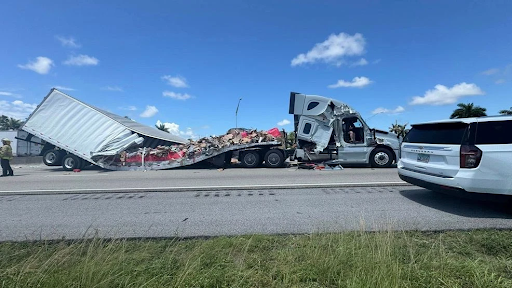
Filing a truck accident claim requires systematic documentation, timely reporting, and clear communication with insurance companies. Truck accident victims often face complex claims involving multiple liable parties, substantial insurance coverage, and intricate legal principles.
Understanding proper claim-filing procedures protects victims’ rights and maximizes compensation potential. Improper filing or delayed claims can result in claim denial or reduced compensation. Victims should understand the steps to take immediately after an accident and throughout the claims process.
Immediate Post-Accident Actions
- Emergency Response and Safety
Immediately after truck accidents, call 911 ensuring emergency medical response for injuries. Police response creates official documentation. Move vehicles away from traffic if safely possible, preventing secondary accidents.
- Medical Attention
Seek medical evaluation for all injuries—apparent or potentially latent. Some injuries (whiplash, internal injuries, traumatic brain injury) may not manifest immediately. Medical documentation establishes injury causation and severity.
- Scene Documentation
Photograph accident scenes, vehicle damage, road conditions, weather, traffic signs, and any visible injuries. Photograph the truck and driver information. Document all property damage comprehensively. These photographs become crucial evidence.
- Information Collection
Collect contact information from witnesses who observed the accident. Obtain truck driver and company information. Record license plate numbers, vehicle identification numbers, and insurance information from all parties.
Reporting Requirements
- Police Report Filing
File police reports documenting accident details. Request police report copies including police officer observations and determinations.
- Insurance Notification
Notify your own insurance company promptly. Most policies require timely accident notification. Provide factual accident descriptions avoiding fault admissions.
- Truck Company Notification
Commercial trucking companies must preserve accident evidence—vehicle maintenance records, driver logbooks, dispatch records, electronic control module data. Prompt notification triggers preservation obligations.
Medical Documentation Phase
- Comprehensive Medical Treatment
Complete all recommended medical treatment. Documentation of medical care establishes injury severity and treatment necessity. Avoid treatment gaps that insurers may interpret as recovery.
- Medical Records Collection
Obtain complete medical records from all providers—emergency departments, hospitals, specialists, therapists. These records form the foundation for damages calculations.
- Ongoing Medical Care
Continue treatment throughout recovery. Premature treatment cessation may suggest injury resolution when ongoing problems persist. Long-term care documentation supports ongoing damages claims.
Evidence Preservation and Investigation
- Preserving Physical Evidence
Preserve all accident-related evidence—damaged clothing, personal property, vehicle parts. Request that trucking companies preserve vehicles, maintenance records, and logbooks through preservation letters.
- Electronic Data Preservation
Truck electronic control modules (ECMs) record operational data—speeds, braking events, throttle positions. These devices must be preserved before data erases. ECM data can prove speeding, excessive braking, or fatigue.
- Witness Information Preservation
Document all witnesses’ names, contact information, and statements. Witness memories fade; early documentation preserves crucial information.
Working with Legal Representation
- Attorney Consultation
Consult truck accident attorneys promptly. Attorneys protect rights, preserve evidence, and navigate claims effectively. Most work on contingency—clients pay no upfront fees.
- Claim Investigation
Attorneys conduct comprehensive investigations—obtaining police reports, medical records, vehicle records, driver logbooks, dispatch records, and expert analysis. This investigation establishes liability and damages.
- Demand Calculation
Attorneys calculate appropriate compensation—economic damages (medical bills, lost wages) and non-economic damages (pain and suffering, disability). Demand letters request a settlement from insurance companies.
Insurance Claim Process
- Initial Contact with Insurance
Provide written notice to insurance companies. Avoid detailed statements without attorney presence. Insurance companies sometimes misinterpret statements against claimants’ interests.
- Claims Investigation Response
Insurance adjusters investigate claims. Cooperate with reasonable requests but protect information through attorneys. Avoid detailed written statements without legal review.
- Demand Letter Response
Insurance companies respond to settlement demands with counter-offers. Negotiations proceed through multiple rounds. Most cases settle during this phase.
Documentation Requirements
- Medical Records and Bills
Obtain itemized medical bills and records. Insurance companies require documentation proving medical expenses.
- Wage Loss Documentation
Obtain wage loss statements from employers documenting lost income. Tax returns may support self-employment income claims.
- Property Damage Assessment
Obtain repair estimates or total loss valuations for vehicles. Insurance company valuations may undervalue vehicles; independent assessments support higher valuations.
- Ongoing Expense Documentation
Document all accident-related expenses—transportation costs, medication costs, home care assistance. These contribute to damages calculations.
Timeline Considerations
- Statute of Limitations
Florida allows four years for personal injury claims from accident dates. Never delay claims beyond this deadline—claims filed after statute expiration face dismissal.
- Prompt Reporting Importance
Timely claims notification and documentation preserve evidence, prevent disputes, and establish claim legitimacy.
Conclusion
Filing truck accident claims requires systematic documentation, proper reporting, comprehensive investigation, and skilled legal representation. Victims should act promptly documenting injuries, preserving evidence, and notifying parties.
Working with experienced attorneys protects rights and maximizes compensation. Proper claim filing procedures support successful resolution. Victims deserve fair compensation for injuries and losses resulting from truck accident negligence.
 Kate Willson