
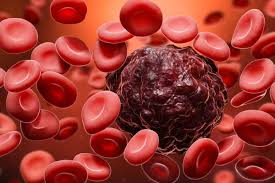
Blood cancers often return after chemotherapy or stop responding to traditional treatments. This has pushed researchers to explore more targeted and effective options. One such development is CAR-T cell therapy, a personalized treatment that uses the patient’s immune cells to fight cancer. This approach is changing the way doctors treat leukemia, lymphoma, and other forms of blood cancer. Here’s a look at how CAR-T therapy is reshaping the future of blood cancer treatment.
Understanding CAR-T Cell Therapy
CAR-T stands for Chimeric Antigen Receptor T-cell therapy. It involves reprogramming the patient’s T-cells, a type of white blood cell, to identify and destroy cancer cells. These engineered cells act like guided missiles, targeting specific markers found only on the surface of cancer cells. Because of this precision, CAR-T can eliminate cancer without damaging healthy tissues, offering new hope to patients with relapsed or refractory blood cancers.
How CAR-T Cells Are Engineered?
The treatment begins with collecting T-cells from the patient’s blood through a process called leukapheresis. These cells are then genetically modified in a lab to express receptors that can recognise cancer cells. Once engineered, the CAR-T cells are multiplied in number and reintroduced into the patient’s bloodstream. The entire process, from collection to infusion, takes a few weeks and is carefully monitored at every stage to ensure safety and effectiveness.
CAR-T Cell Therapy in Blood Cancer Treatment
As clinical data continues to grow, CAR-T is proving especially useful for certain types of blood cancers. Currently, CAR-T cell therapy is approved and used to treat specific types of leukaemia, non-Hodgkin lymphoma, and multiple myeloma. These cancers often resist chemotherapy or come back after treatment. CAR-T offers another line of defence, especially for patients who have exhausted other options. Its targeted nature makes it suitable for cancers with clear and consistent markers that the engineered T-cells can identify.
Effectiveness Compared to Traditional Treatments
CAR-T therapy may offer a new approach for patients who do not respond well to conventional treatments like chemotherapy or stem cell transplants. It can potentially lead to deeper and longer-lasting responses in certain types of blood cancer. Unlike traditional chemotherapy, which can harm both healthy and cancerous cells, CAR-T therapy is designed to target cancer cells more precisely. This targeted action may reduce the chances of relapse and result in more sustained benefits for some patients. However, individual results can vary, and the overall effectiveness may depend on various factors, including the patient’s condition and response to therapy.
The CAR-T Cell Therapy Procedure
Every CAR-T therapy journey is guided by a sequence of steps that ensures the treatment is both safe and effective.
-
Patient Evaluation and Eligibility
Not all patients are suitable for CAR-T therapy. Doctors begin with a detailed evaluation to assess medical history, cancer type, treatment history, and overall health. The treatment is typically recommended for patients with relapsed or refractory disease who meet strict eligibility criteria. This evaluation stage ensures that only those who can benefit from the therapy are selected.
-
T-Cell Collection and Modification
Once eligible, patients undergo leukapheresis to collect T-cells. These cells are transported to a lab for genetic modification, where they are trained to recognise cancer markers. This step is highly specialised and may take several weeks, depending on the scale of cell processing required.
-
Infusion and Monitoring
After engineering and expansion, the CAR-T cells are returned to the patient through an intravenous infusion. Doctors closely observe the patient for the next few days to monitor for early signs of immune response. Most side effects, if they occur, appear within the first two weeks and are managed with supportive care
Benefits of CAR-T Cell Therapy in Blood Cancer Treatment
CAR-T therapy has reshaped expectations around personalised cancer care. Its advantages are now well-recognised across clinical practice.
-
Targeted and Personalised Approach
One of the most important strengths of CAR-T therapy is its ability to personalise treatment. By harnessing the patient’s immune system, the therapy targets cancer cells with precision, minimising harm to healthy tissue. This reduces the risk of broad systemic damage commonly associated with chemotherapy.
-
Potential for Long-Term Remission
Patients who respond well to CAR-T often experience longer remission periods. In some cases, a single infusion has led to months or even years of disease-free survival. This makes it an ideal choice for relapsed patients looking for lasting solutions.
-
Reduced Side Effects Compared to Chemotherapy
Because CAR-T targets specific antigens on cancer cells, it typically results in fewer side effects than chemotherapy. Patients report fewer issues, such as nausea, hair loss, or immune suppression, although other immune responses still require close observation.
Challenges and Risks Associated with CAR-T Therapy
Despite its promise, CAR-T therapy comes with certain risks and limitations that need careful consideration.
-
Common Side Effects
Short-term side effects include fever, low blood pressure, and fatigue. These symptoms typically result from the immune system’s reaction to the engineered T-cells and are manageable with clinical support. Early detection helps prevent complications.
-
Cytokine Release Syndrome and Neurotoxicity
Cytokine Release Syndrome (CRS) and neuroticism are among the more serious concerns. CRS happens when the body produces too many inflammatory molecules. Symptoms range from mild flu-like issues to more severe complications. Trained teams are essential to handle these reactions early.
-
Cost and Accessibility Issues
The procedure involves high costs, largely due to the specialized cell processing involved. Access may be limited to advanced medical centers that can meet infrastructure and staffing requirements. However, efforts are underway globally to improve affordability and reach.
Future Directions in CAR-T and Blood Cancer Treatment
Research continues to expand CAR-T’s potential, both in blood cancers and beyond.
-
Ongoing Research and Clinical Trials
Multiple clinical trials are investigating how CAR-T can be made safer and more effective. Researchers are working to reduce side effects, expand eligibility, and improve manufacturing timelines for broader use.
-
Combining CAR-T with Other Therapies
Doctors are experimenting with combining CAR-T with other forms of hypnotherapy or targeted drugs. These combinations may help overcome resistance and deliver even better outcomes.
-
Expanding Treatment to Other Cancer Types
Though currently focused on blood cancers, CAR-T is being tested for use in solid tumors such as brain or lung cancer. Progress in this area could make it a cornerstone of broader oncology care shortly.
Also Read : Blood Cancer: Symptoms and Pioneering Bone Marrow Transplant Treatment
Conclusion
CAR-T cell therapy has opened a new chapter in blood cancer treatment, offering precision, personalisation, and hope. With continued research and growing clinical experience, it may soon become a widely accepted standard of care. Patients should discuss this option with their oncologists and understand how it fits into their overall treatment plan. As advancements continue, CAR-T stands poised to transform even more lives for the better.
 Kate Willson