
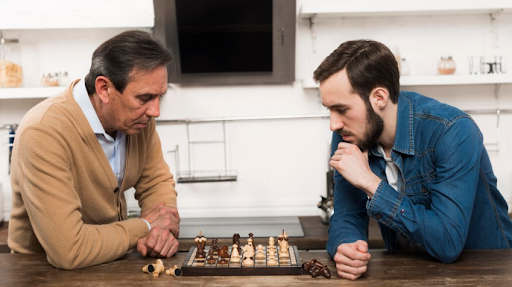
Learning chess for the first time can feel overwhelming. With 64 squares, different pieces, special rules, and countless possible moves, beginners may struggle to know where to start. A structured chess beginner course can simplify the process by introducing each concept gradually. Instead of jumping into complicated openings or advanced strategies, learners can begin by understanding the board, piece movements, and the main objective of the game.
As their confidence grows, they can explore tactics, opening principles, strategy, and practical play. Regular practice also helps children develop patience, concentration, problem-solving skills, decision-making abilities, and greater confidence while making chess an enjoyable learning experience.
Begin With the Board and Pieces
Every chess journey starts with the basics. Beginners should become familiar with the board, starting positions, piece movements, captures, and the roles of kings, queens, rooks, bishops, knights, and pawns.
Early lessons should cover:
- How the chessboard is arranged.
- Where each piece starts.
- The basic value of different pieces.
- How to identify an attacked piece.
- How pieces protect one another.
- What it means when a king is in check.
Understand Check, Checkmate, and Special Moves
Knowing how the pieces move is only the beginning. Beginners also need to understand chess’s main objective: checkmating the opponent’s king. Students should learn the difference between check, checkmate, and stalemate, along with special moves such as castling, en passant, and pawn promotion. This stage is also ideal for developing the habit of considering the opponent’s next move.
A beginner may see an opportunity to capture a valuable piece and act immediately, only to overlook a threat to their queen or king. Learning to pause, scan the board, and consider possible responses helps prevent common mistakes while encouraging more thoughtful decisions during every game.
Build Tactical Awareness
Once beginners understand the rules, they can explore one of the most exciting parts of chess: tactics. Tactical ideas help players win pieces, create threats, and find checkmate opportunities. Students can start with common patterns such as forks, pins, skewers, double attacks, discovered attacks, and simple mating combinations. Seeing these ideas in real positions is often more effective than simply memorising definitions.
Chess puzzles are useful because they challenge learners to examine a position and find the strongest move. With regular practice, pattern recognition improves. A tactic such as a knight fork that once seemed difficult can eventually become much easier to spot during actual games.
Learn Opening Principles
Beginners may be tempted to memorise famous opening sequences, but understanding basic principles is more useful at the start. Students should learn why controlling the centre matters, why pieces need development, how king safety affects the position, and why unnecessary piece moves can waste time. The goal is not to remember dozens of moves but to understand what a strong opening aims to achieve.
This knowledge becomes especially useful when opponents play unexpected moves. Instead of relying on memorised sequences, beginners can ask: Which piece should I develop? Is my king safe? Who controls the centre? Are my pieces working together? These questions encourage flexible and independent thinking.
Select A Course With Practical Learning
A good beginner programme should balance lessons with practical activities. Simply understanding chess concepts is not enough; students need opportunities to use them during actual games. When choosing the best beginner chess course, parents can look for practice games, tactical puzzles, feedback, and game reviews. These activities help learners test their knowledge and identify areas that need improvement.
A well-organised curriculum is equally important because beginners can become confused when lessons jump between unrelated topics. A gradual learning path allows each new concept to build on the previous one. The goal should be steady progress, not trying to master every aspect of chess at once.
Turn Practice Into Progress
Watching chess lessons alone does not make someone a stronger player. Regular games give students a chance to apply what they have learned, make decisions, and discover weaknesses. For example, a player may understand a pin in theory but miss one during a game. Reviewing such mistakes helps reinforce the concept and improve future play.
After a game, beginners can ask:
- What was I trying to achieve?
- Did I overlook an opponent’s threat?
- Did I leave a piece undefended?
- Was there a stronger move?
- What should I remember for the next game?
This type of reflection shifts attention away from simply counting wins and losses. Each game becomes another opportunity to understand how decisions affect the position.
Follow a Consistent Learning Routine
Chess skills develop through regular practice rather than occasional long study sessions. Short, focused practice several times a week can help beginners build stronger habits and retain important concepts. A structured programme provides a clear learning path and keeps students engaged with consistent practice. Progress may not always appear through wins, but fewer mistakes, better pattern recognition, and stronger decision-making are clear signs of improvement over time.
Introduce Strategy Gradually
Once beginners have developed basic tactical awareness, they can start exploring broader strategic ideas. These include piece activity, king safety, pawn structure, exchanges, space, strong and weak squares, and planning.
They can also begin to understand the three main stages of a chess game: the opening, middlegame, and endgame.
The opening is generally about development and preparation. The middlegame often combines tactical opportunities with longer-term plans. The endgame requires precision and a different understanding of how fewer pieces change the position.
These concepts do not need to be taught all at once. Introducing them gradually allows beginners to build on what they already know without making the game feel unnecessarily complicated.
Create a Positive Learning Environment
The learning environment can influence how confidently a beginner develops. Clear explanations, supportive instruction, interactive activities, and regular opportunities to play can make the process more enjoyable.
This is particularly important for children. They need room to experiment, ask questions, and make mistakes without feeling that every error is a failure. A lost game can reveal a useful lesson, while a missed tactic can highlight an area that deserves more practice.
Chessbrainz is one example of a platform that provides structured learning options for people beginning their chess journey. However, the most suitable learning environment will depend on the student’s age, current ability, preferred learning style, and pace of progress.
Conclusion
A strong chess beginner course should offer more than basic lessons on piece movement. It should guide learners through checkmate, tactics, opening principles, strategy, and practical games while giving them time to learn from mistakes. Chessbrainz takes this structured approach to beginner chess education, helping learners build their understanding step by step. With consistent practice, patient guidance, and opportunities to apply new skills, beginners can become more confident players while developing concentration, problem-solving, and decision-making skills that extend beyond the chessboard.