
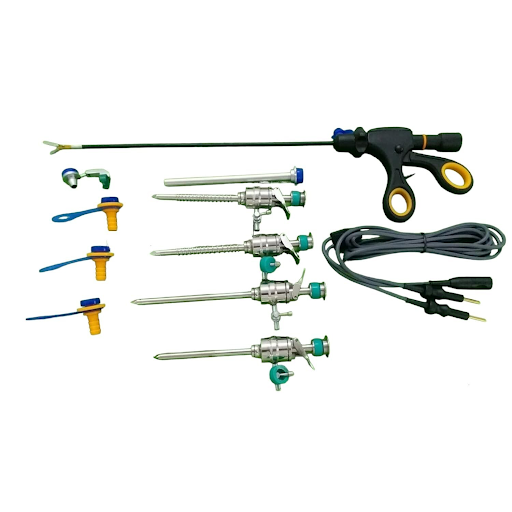
As minimally invasive surgery continues to become the preferred approach across multiple medical specialties, healthcare facilities are paying closer attention to the companies they source their surgical instruments from. Selecting a supplier is no longer just a procurement decision; it is a strategic partnership that can directly influence surgical efficiency, equipment reliability, operational costs, and patient outcomes. With numerous laparoscopic instruments companies operating in the market, choosing the right partner requires a careful and informed evaluation process.
A reliable laparoscopic instruments partner should be capable of supporting not only current surgical requirements but also future clinical and technological advancements. Understanding what to look for can help hospitals, surgical centers, and distributors make better long-term decisions.
Why Choosing the Right Partner Matters
Laparoscopic procedures rely heavily on precision. Every instrument used during surgery must perform consistently under demanding conditions. Even a small issue with instrument quality, functionality, or durability can affect workflow inside the operating room.
This is why healthcare institutions increasingly view instrument sourcing as a long-term partnership rather than a one-time purchase. A trusted partner contributes to operational stability, helps maintain quality standards, and supports healthcare providers as surgical needs evolve over time.
Choosing the wrong supplier, on the other hand, can lead to inconsistent product quality, delayed deliveries, increased maintenance costs, and disruptions in surgical schedules.
Evaluate Manufacturing Quality First
One of the first aspects to assess when selecting a laparoscopic instrument partner is manufacturing quality.
1. Look for Quality Certifications
Manufacturers that follow recognized quality management systems demonstrate a commitment to consistent production standards. Certifications and regulatory compliance indicate that products are manufactured according to established medical device requirements.
While certifications alone should not determine a decision, they provide an important starting point when evaluating potential partners.
2. Assess Material Selection
The materials used in laparoscopic instruments directly affect performance and lifespan. High-grade stainless steel, durable insulation components, and precision-engineered mechanisms contribute to better reliability during procedures.
Hospitals should consider how well instruments withstand repeated sterilization cycles, routine handling, and long-term usage.
Consider Product Portfolio Depth
A strong partnership often depends on the supplier’s ability to support multiple procedural requirements.
1. Can They Meet Diverse Surgical Needs?
Healthcare facilities perform a wide range of laparoscopic procedures across specialties such as:
- General surgery
- Gynecology
- Urology
- Bariatric surgery
- Colorectal surgery
A supplier with a comprehensive product portfolio can help standardize procurement and simplify inventory management.
2. Availability of Specialized Instruments
As surgical techniques become more advanced, healthcare providers often require specialized tools. A capable partner should be able to offer both standard and procedure-specific solutions.
This flexibility reduces the need to work with multiple vendors and improves operational efficiency.
Evaluate Consistency, Not Just Product Quality
Many organizations focus exclusively on product specifications while overlooking consistency.
A supplier may provide excellent instruments initially, but consistency over years of partnership is what truly matters.
Questions worth considering include:
- Are products consistently available?
- Is manufacturing quality stable across batches?
- Are delivery schedules reliable?
- Can urgent requirements be accommodated?
These factors often have a greater impact on daily hospital operations than individual product features.
Technical Support Is a Key Decision Factor
The relationship with an instrument’s partner does not end after delivery.
1. Maintenance and Servicing Support
Laparoscopic instruments require proper maintenance to preserve performance and extend usability. Suppliers that provide repair services, technical guidance, and maintenance support add considerable value.
Healthcare facilities should understand what after-sales services are available before making a purchasing decision.
2. Product Training and Guidance
In some cases, suppliers assist with instrument handling, maintenance protocols, and product familiarization.
This support can help clinical teams optimize instrument usage and reduce avoidable wear and tear.
Innovation Should Be Part of the Partnership
Healthcare technology continues to evolve rapidly. Surgical centers increasingly seek partners who invest in research and product development.
Innovative manufacturers often focus on:
- Improved ergonomic designs
- Enhanced instrument precision
- Better compatibility with visualization systems
- Advanced energy-based technologies
- Improved reusability and sustainability
Midway through the evaluation process, many healthcare organizations compare different laparoscopic instrument companies based on their ability to adapt to future surgical requirements rather than simply meeting present needs.
A forward-thinking partner can help healthcare providers remain prepared for emerging clinical trends.
Supply Chain Reliability Is Often Overlooked
Even the highest-quality instrument becomes ineffective if it cannot be delivered when needed. Reliable supply chain management should therefore be a major consideration.
1. Assess Distribution Capabilities
Before entering a partnership, organizations should evaluate:
- Inventory management systems
- Production capacity
- Delivery timelines
- Regional distribution networks
- Emergency fulfillment capabilities
A dependable supply chain reduces operational uncertainty and supports uninterrupted patient care.
2. Availability of Spare Parts
For reusable laparoscopic instruments, access to spare components can significantly influence long-term value.
Suppliers who maintain component availability often help extend equipment lifespan and reduce replacement costs.
Compare Long-Term Value Instead of Initial Cost
Price is naturally a major factor in procurement decisions. However, focusing solely on upfront cost can sometimes create higher expenses in the future.
Healthcare organizations should evaluate:
- Product durability
- Maintenance frequency
- Repair costs
- Replacement intervals
- Operational reliability
An instrument that performs consistently for years often delivers better overall value than a lower-cost alternative that requires frequent servicing or replacement.
Building a Partnership Based on Trust
Successful supplier relationships are built on transparency, communication, and responsiveness.
Healthcare facilities should look for partners that:
- Provide clear product information
- Communicate proactively
- Respond quickly to concerns
- Support long-term operational goals
- Demonstrate accountability
The strongest partnerships evolve beyond procurement and become collaborative relationships focused on continuous improvement.
Conclusion
Choosing the right laparoscopic instruments partner goes beyond comparing products and prices. It involves assessing quality standards, reliability, technical support, innovation, and long-term value. Healthcare providers who carefully evaluate these factors are often better equipped to maintain operational efficiency and consistent surgical performance. Ultimately, a trusted laparoscopic instruments supplier can support both clinical excellence and long-term healthcare goals.
If you are looking for a partnership with an organization operating in the laparoscopic instruments sector, companies such as Salwan Surgicare are part of the medical device industry, contributing to the development and supply of surgical instruments and healthcare solutions. Their role reflects the increasing focus on precision manufacturing, quality standards, and technological advancement that continue to shape modern laparoscopic surgery.
 Renuka
  Kate Willson