
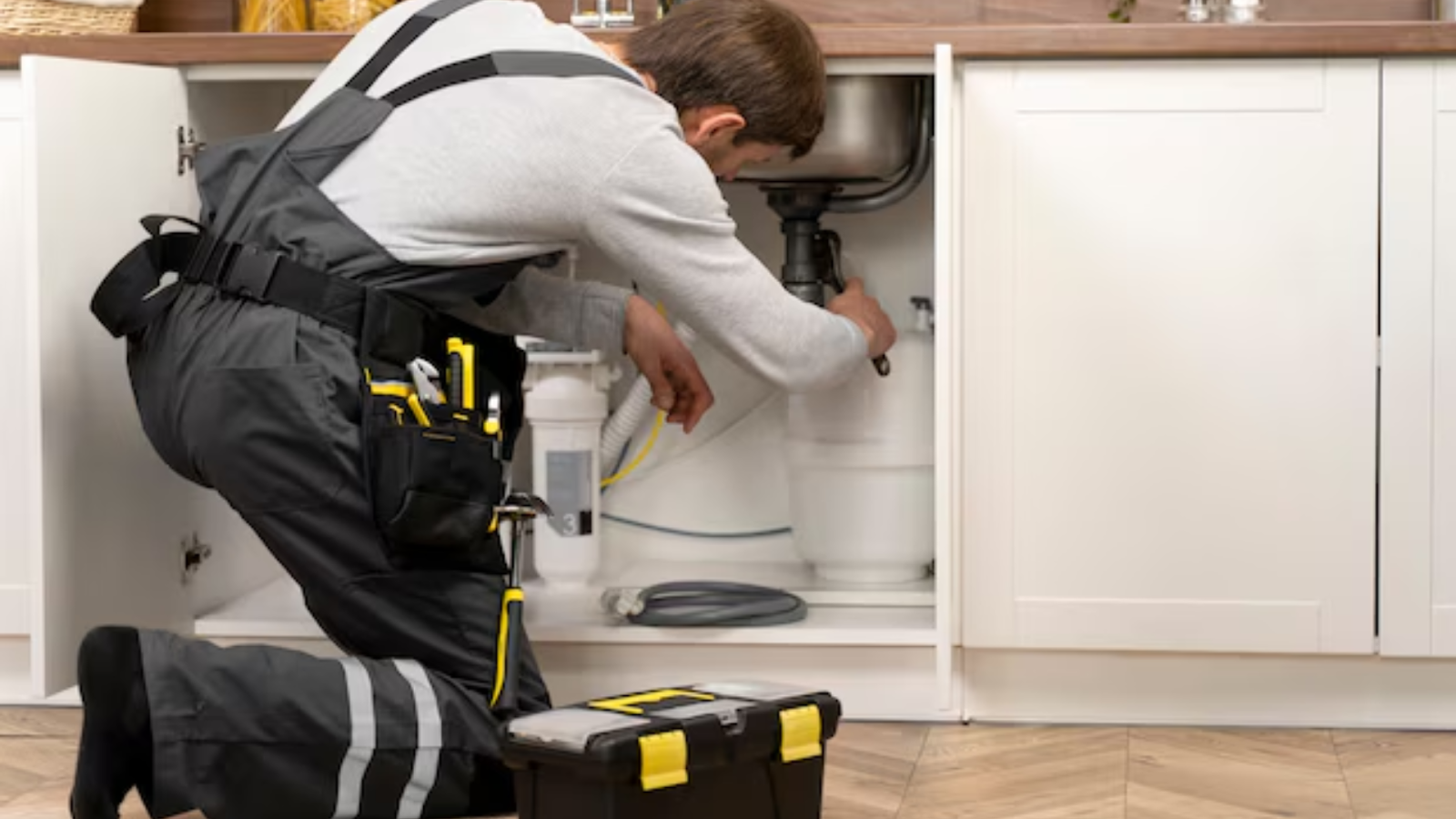
Not all plumbing problems are as simple as they seem. That small drip under the sink or the occasional rusty water from your faucet might be signs of a bigger issue hiding in your walls. Replacing old pipes isn’t just about fixing leaks—it’s about protecting your entire home from major water damage, mold, and high repair bills.
So how do you know if it’s time to replace them? And how long do pipes even last?
The truth is, most homeowners don’t think about their plumbing system until something goes seriously wrong. But with the right knowledge and a little attention to detail, you can stay ahead of the damage.
This article will guide you through the warning signs, what types of materials last longer, and when calling in experts like Sketchley & Mason Plumbing Services might just save your home—and your wallet.
Red Flags That Say “Replace Me”
Before tearing down walls or digging into your savings, it’s worth spotting early indicators. Watch out for these signs that your piping system might be nearing its end:
- Discolored water – A rusty, brownish tint often means corrosion.
- Low water pressure – Sediment or buildup inside the pipes restricts flow.
- Frequent leaks – Even small leaks could signal widespread damage.
- Odd smells – Musty or metallic odors in your tap water may hint at deteriorating lines.
- Water damage on walls or ceilings – A sure sign something’s going wrong behind the scenes.
If any of these sound familiar, your plumbing may be older than you think—and possibly past its prime.
Know the Lifespan of Your Pipes
Not all pipes are created equal. Depending on what your home was built with, the timeline for replacement varies. Here’s a general breakdown of how long common piping materials tend to last:
- Copper: 50 to 70 years
- Brass: 40 to 60 years
- Galvanized steel: 20 to 50 years
- PVC (plastic): 25 to 40 years
- PEX (cross-linked polyethylene): 40 to 50 years
If your house is over 40 years old and still has its original pipes, it’s smart to get them checked—even if everything looks fine on the surface.
Should You Repipe the Whole House?
Not always. But sometimes, yes.
If you’re facing leaks in multiple places or dealing with poor water quality despite repairs, it might be more cost-effective to replace the whole system. This can feel like a big step, but patchwork fixes often add up quickly and leave you right back where you started.
Ask yourself:
- Are you making frequent calls to fix leaks?
- Have your utility bills spiked?
- Is your home undergoing renovations already?
If you answered “yes” to any of those, it might be the right time to repipe sections—or even the entire network—with help from professionals like Sketchley & Mason Plumbing Services, who specialize in full-system upgrades.
Materials Matter: Choose Wisely
Choosing the right material is key if you decide to replace parts or all of your plumbing.
- Copper is reliable and long-lasting, but more expensive.
- PEX is flexible, budget-friendly, and easier to install in tight spaces.
- PVC works well for drain lines but isn’t ideal for hot water lines.
Your choice will affect not just performance, but also the life of your new system.
Quick Checks You Can Do Now
Not sure where to begin? Here are a few simple things you can look for around your home:
Check exposed pipes in the basement for flaking or rust
Look at water color first thing in the morning
Monitor your water pressure in different parts of the house
Make note of any weird pipe noises (clanking, hissing, etc.)
These small observations can help you decide when to get a professional opinion.
Don’t Wait Until It’s a Flood
Plumbing issues rarely go away on their own. In fact, they tend to get worse over time, and more expensive. That’s why staying proactive is so important. Knowing when to act can save you thousands in repairs, whether it’s a full system replacement or a targeted upgrade.
If you’re starting to see the signs, take them seriously. Your home’s safety, water quality, and peace of mind depend on it.
And when you’re ready to make the call, companies like Sketchley & Mason Plumbing Services can help you figure out the smartest, most efficient plan for your specific needs—without jumping straight into a full-scale replacement if you don’t need it.
Read more: beforeitbusiness.com
 Kate Willson