
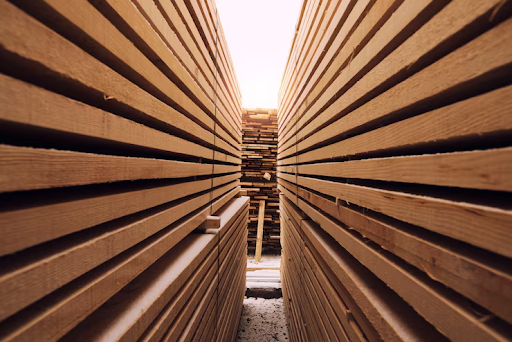
The commercial building sector increasingly recognizes what residential architects have known for decades: timber is not merely a traditional building material—it is a sophisticated, high-performance, and aesthetically compelling structural system that serves commercial applications with distinction. Commercial timber construction delivers structural integrity, design flexibility, sustainability credentials, and the authentic character of natural wood to hospitality venues, retail environments, winery and agricultural facilities, recreation centers, and corporate campuses. Understanding why commercial timber frame structures are chosen by leading developers and architects clarifies the case for specifying timber in commercial projects.
Why Commercial Buildings Benefit from Timber Frame
Structural Performance Heavy timber construction is a recognized structural system under building codes, capable of meeting demanding load requirements for large spans, high ceilings, and significant live and snow loads. Commercial timber frame builders engineer structures to meet full code compliance while delivering the clear spans that modern commercial spaces require.
Biophilic Design Benefits Research consistently demonstrates that exposure to natural materials—particularly wood—in commercial environments reduces stress, improves mood, increases productivity, and enhances perceived space quality. These measurable outcomes make commercial timber interiors a strategic investment in occupant wellness for corporate offices, healthcare facilities, educational institutions, and hospitality venues.
Distinctive Visual Identity In competitive commercial markets, architectural character differentiates properties. A timber-framed tasting room, resort lodge, or corporate lobby creates an environment that is immediately memorable and photographable—reinforcing brand identity and encouraging social sharing.
Sustainability Credentials Timber is the only major structural building material that is both renewable and carbon-sequestering. A commercial timber frame structure stores carbon captured during the timber’s growing years, offsetting embodied carbon from other construction materials. For projects pursuing LEED certification, Passive House standards, or ESG reporting benchmarks, timber delivers genuine sustainability benefits.
Fire Performance Heavy timber’s fire performance is counterintuitive to many clients but well-established in building codes: large cross-section timbers char on the surface when exposed to fire, and this char layer insulates the structural core—slowing combustion and maintaining structural capacity significantly longer than unprotected steel. This performance is reflected in building code recognition of heavy timber as an approved structural system for many commercial occupancy types.
Types of Commercial Applications
Hospitality and Resort Lodges, resort hotels, wilderness retreats, and outdoor recreation facilities are among the most natural commercial applications for timber frame construction. The material authentically connects interior spaces to the surrounding natural landscape.
Winery and Agricultural Production facilities, tasting rooms, and event barns built with timber combine functional industrial requirements with the aesthetic warmth that wine country visitors expect and share widely.
Retail and Restaurant Timber ceiling structures, exposed beams, and structural columns in retail and restaurant environments create warmth and character that encourages longer customer dwell time and repeat visits.
Recreation and Sports Facilities Community centers, fitness facilities, ski lodges, and equestrian facilities benefit from timber’s ability to span large open areas without interior columns, creating functional open-plan environments with natural material appeal.
Corporate and Educational Corporate headquarters, campus buildings, and educational facilities increasingly specify mass timber and timber frame systems for their documented wellness benefits and sustainability credentials.
Religious Facilities Timber frame has centuries of tradition in sanctuary construction, providing soaring clear spans, dramatic interior volumes, and natural material warmth appropriate to contemplative spaces.
Working with Commercial Timber Frame Builders
Design Integration Experienced commercial timber frame builders collaborate with architects, structural engineers, and mechanical engineers from design development through construction administration. Early involvement ensures timber system design is fully coordinated with all building systems.
Code Navigation Building codes treat heavy timber, mass timber (CLT, glulam), and conventional wood frame construction differently. Experienced commercial timber frame builders understand these distinctions and guide projects toward code-compliant, cost-effective structural solutions.
Prefabrication and Site Efficiency Timber frames are typically fabricated in controlled shop environments and erected on-site rapidly, minimizing weather exposure and site disruption—an important consideration for commercial project schedules.
Budget Realities Commercial timber construction typically carries a cost premium over conventional steel or concrete structures. This premium is assessed against long-term value: reduced interior finishing requirements (exposed timber is the finish), marketing differentiation value, and occupant wellness benefits that affect commercial performance.
Conclusion
Commercial timber construction delivers outcomes unavailable from conventional structural systems—biophilic wellness benefits, authentic aesthetic character, sustainability credentials, and architectural distinction that creates lasting competitive advantage. For developers, architects, and owners committed to buildings that perform commercially and endure architecturally, commercial timber frame structures represent a sophisticated choice backed by centuries of proven performance and growing contemporary relevance.