
For business owners, adapting to new payment technologies is just as important as managing cash flow or customer experience. In today’s competitive market, merchant credit card processing has evolved far beyond simply swiping a card at checkout. With innovations in digital wallets, mobile transactions, and enhanced fraud protection, keeping up with trends is no longer optional—it’s critical for long-term success.
Payment processing now intersects with customer convenience, security standards, and business efficiency. Business owners who stay ahead of these shifts not only improve their bottom line but also strengthen customer trust. Let’s explore the emerging merchant credit card processing trends every business should monitor closely.
Why Monitoring Processing Trends Matters
Consumers are changing the way they shop and pay. Whether through smartphones, wearable devices, or online platforms, expectations for fast, safe, and seamless transactions have grown. Businesses that fail to adapt risk losing customers to competitors who offer smoother checkout experiences.
In addition, evolving compliance requirements and technology updates mean businesses can’t afford to remain static. Understanding processing trends allows owners to make informed decisions, align with customer preferences, and ensure financial systems remain resilient.
Key Trends in Merchant Credit Card Processing
1. Rise of Contactless Payments
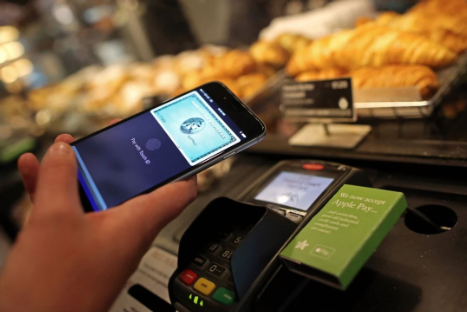
Contactless cards and mobile wallets like Apple Pay or Google Pay are gaining widespread adoption. Consumers appreciate the speed and hygiene of tap-to-pay transactions, and merchants benefit from shorter checkout lines and happier customers.
2. Emphasis on Security and Tokenization
Fraud prevention remains a top concern. Tokenization, encryption, and biometric authentication are becoming standard tools in payment systems. Businesses that adopt advanced security measures not only safeguard themselves but also earn customer loyalty.
3. Integration with Omnichannel Strategies
Today’s customers move between physical stores, mobile apps, and websites. Credit card merchant processing systems are increasingly designed to integrate across all these channels, giving businesses a unified view of sales and customer behavior.
4. Subscription and Recurring Billing Models
From streaming services to gyms, recurring billing is on the rise. Businesses benefit from predictable revenue, while consumers appreciate the convenience of automated payments. Processing platforms now provide tools to manage subscriptions securely and efficiently.
5. Data-Driven Insights
Payment systems are evolving into data intelligence platforms. By analyzing transaction data, businesses can identify trends, improve inventory management, and optimize customer engagement strategies.
Emerging Technologies in Payment Processing
Mobile-First Transactions
With smartphone adoption at an all-time high, many consumers now expect the option to pay directly from their mobile devices. Businesses that prioritize mobile-friendly payment solutions position themselves as customer-centric and forward-thinking.
Blockchain and Cryptocurrency Integration
While still in early stages, blockchain-based solutions promise faster, cheaper, and more secure transactions. Some payment processors now support cryptocurrency payments, catering to tech-savvy customers and diversifying revenue streams.
Artificial Intelligence in Fraud Detection
AI and machine learning are being used to analyze transaction patterns in real time. This reduces false declines and enhances fraud detection accuracy, providing businesses with both efficiency and security.
Preparing Your Business for the Future
Evaluate Your Current Processing System
Businesses should regularly assess whether their payment systems support modern trends, such as contactless payments and mobile wallets. Outdated systems may frustrate customers and increase security risks.
Prioritize Flexibility
Select solutions that can scale with your business. Flexible processing systems adapt to new technologies and regulatory changes without requiring major overhauls.
Invest in Customer Experience
Payments are often the final step in a customer’s journey. A smooth, secure checkout experience can influence repeat business and positive reviews.
Conclusion
Merchant credit card processing is no longer a background function—it’s a strategic part of business success. Trends such as contactless payments, integrated omnichannel systems, and AI-driven fraud detection are reshaping how companies accept and manage transactions. By staying ahead, business owners can meet customer expectations, remain compliant, and operate with greater efficiency.
Equally important, modern platforms allow integration of broader financial tools, including merchant services processing, which ties together payments, analytics, and customer engagement. Businesses that embrace these changes position themselves not just for survival, but for sustainable growth in an increasingly digital marketplace.
 David Martinez
  Kate Willson