
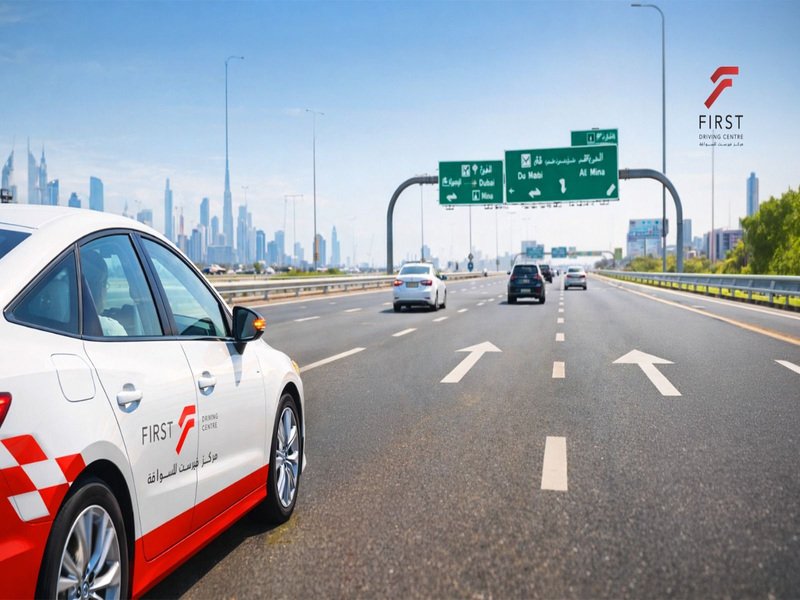
Learning to drive is an important step towards personal independence, convenient travel, and new employment opportunities. However, becoming a responsible driver requires more than knowing how to operate a steering wheel or change gears. Enrolling in a light motor vehicle course helps learners understand road rules, vehicle control, traffic awareness, and the responsibilities that come with driving on Dubai’s roads.
A structured training programme prepares beginners for real traffic conditions and helps them develop habits that support safer journeys. From selecting a suitable driving institute to preparing for the required tests, every stage contributes to building confidence behind the wheel.
1. Understanding Light Motor Vehicle Driving
Light motor vehicles generally include cars and other vehicles covered by the relevant licensing category. In Dubai, a light vehicle driving licence allows eligible drivers to operate vehicles within the category specified by the licensing authority.
Driving requires coordination, observation, judgement, and an understanding of traffic conditions. Beginners must learn to control speed, maintain a safe following distance, recognise road signs, and respond appropriately to changing situations.
Understanding the vehicle category is equally important because licensing requirements depend on the vehicle type and the rules established by Dubai’s Roads and Transport Authority (RTA).
2. Choosing The Right Driving Course
A good training programme introduces driving skills gradually instead of expecting beginners to master everything immediately. Learners typically start with basic controls before progressing to more demanding road situations under the guidance of qualified instructors.
A light motor vehicle course may cover starting and stopping, steering, gear changes where applicable, braking, reversing, parking, and driving in traffic. Training also introduces road signs, lane discipline, pedestrian safety, and defensive driving principles.
Before enrolling, learners should compare the institute’s reputation, instructor qualifications, training arrangements, and practical lesson options. Understanding the course structure and applicable fees can also help applicants plan their learning schedule.
3. Learning Vehicle Controls And Coordination
Vehicle control forms the foundation of safe driving. Beginners need to understand how the accelerator, brake, steering wheel, mirrors, indicators, and other controls work together.
In manual vehicles, learners must coordinate the clutch with gear changes. Automatic vehicles generally require less coordination between the driver’s hands and feet, but still demand careful acceleration, braking, steering, and observation.
Practice should begin under appropriate supervision, with learners following their instructor’s guidance. As their skills improve, they can progress through different driving situations and gradually encounter more complex traffic conditions.
4. Understanding Traffic Signs And Road Rules
Knowing how to operate a vehicle does not automatically make someone ready for public roads. Drivers must understand traffic signs, road markings, right-of-way rules, speed limits, and intersection procedures. These topics are important components of a light motor vehicle course, helping learners prepare for the driving conditions they may encounter throughout Dubai.
Regulatory signs communicate restrictions or mandatory actions, while warning signs alert drivers to potential hazards. Informational signs help road users identify routes, destinations, and nearby facilities.
Learners should also understand pedestrian crossings, school zones, roundabouts, and the correct response to traffic signals. Following these rules helps prevent collisions and supports safer movement for everyone using the road.
5. Developing Safe Driving Habits
Safe driving depends on everyday decisions rather than technical ability alone. Checking mirrors, signalling before turning, maintaining a suitable following distance, and observing blind spots are essential habits for every driver.
Learners should avoid distractions, especially mobile phone use, and never drive under the influence of alcohol or impairing substances. Adjusting speed to visibility, weather, road conditions, and traffic flow is equally important.
Defensive driving involves anticipating potential hazards instead of reacting only after they appear. For example, reducing speed near parked vehicles provides additional time to respond if a pedestrian suddenly steps onto the road. These practices help new drivers develop a responsible approach that remains valuable long after their training is complete.
6. Understanding The Licensing Process
Obtaining a light motor vehicle license in Dubai involves meeting the eligibility requirements and completing the prescribed application, training, and testing procedures. Applicants should consult the official RTA website or an authorised driving institute for the latest requirements.
In Dubai, eligible applicants can generally open a traffic file and begin the learning permit process at 17 years and six months. The driving licence is issued after the applicant reaches 18 and successfully completes the required tests. Applicants must also complete an eye test at an authorised centre and provide the necessary identification documents.
The process typically includes opening a traffic file, obtaining a learning permit, completing theory instruction and practical training, and passing the required knowledge, yard, and road tests. The exact training requirements may vary according to previous driving experience and the applicant’s circumstances. Checking the applicable requirements before starting helps learners understand the steps involved.
7. Preparing For The Driving Test
Driving tests assess whether an applicant can operate a vehicle safely and follow traffic regulations. Depending on the assessment stage, learners may need to demonstrate knowledge of road rules, vehicle control, parking manoeuvres, road positioning, observation, signalling, and responses to traffic conditions.
Preparation should focus on consistent driving rather than memorising a particular test route. Learners can practise parking, reversing, turning, stopping at appropriate points, and checking mirrors at the correct moments under suitable supervision.
It is also useful to understand the RTA testing stages and the documents required for scheduled appointments. Regular practice and constructive feedback from instructors can help identify areas that need improvement. Arriving prepared and following the examiner’s instructions can reduce avoidable mistakes on the test day.
Conclusion
Successful driving preparation combines practical instruction, road-rule knowledge, responsible behaviour, and compliance with licensing requirements. Choosing a suitable training programme and allowing enough time for practice can make the transition from beginner to licensed driver more manageable.
Prospective learners should compare available training options, confirm the requirements established by the RTA, and prepare carefully for each stage of the process. Understanding the steps involved in obtaining a light motor vehicle license can also help applicants approach the process with greater confidence.
For learners exploring driving instruction in Dubai, First Driving Centre is a useful place to begin researching available options and taking the next steps towards responsible driving. A well-informed start helps learners build confidence behind the wheel while developing a lasting commitment to road safety.
 Renuka