
Turning a product idea into something practical requires more than creative thinking. It involves research, design development, testing, engineering, and careful planning.
A structured development process helps businesses refine concepts, identify practical challenges, and prepare products for manufacturing. Using rapid prototyping services during development can make it easier to test ideas, improve usability, and make changes before production begins.
Product Development Planning With Rapid Prototyping Services
A structured development process connects creative concepts with testing, refinement, engineering, and manufacturing requirements to create practical product solutions.
1. Defining Product Requirements
Every successful product begins with a clear understanding of its purpose, target users, expected functions, and practical requirements. Designers study the problem the product should solve and consider factors such as usability, size, materials, appearance, and manufacturing needs. Clear requirements create a strong foundation for later development stages and help teams remain focused on creating a product that delivers useful functionality rather than unnecessary features.
2. Exploring Concepts Through Design Research
Design research helps teams understand users, competitors, existing products, and market expectations before committing to a particular concept. Sketches, references, user observations, and concept comparisons can reveal opportunities for improvement. This stage allows designers to explore different possibilities while considering ergonomics, appearance, functionality, and practical use. Research-backed concepts are easier to refine because design decisions are connected to specific user and product requirements.
3. Testing Ideas With Physical Models
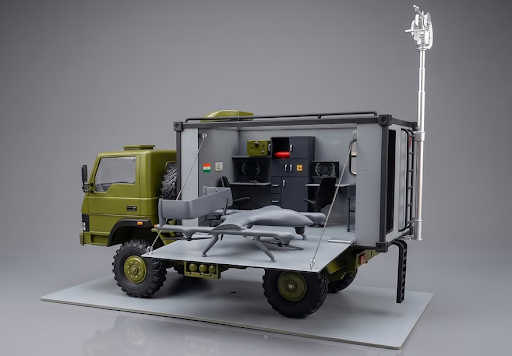
Physical models provide an opportunity to examine how a product looks, feels, and functions outside a digital environment. With rapid prototyping services, teams can create physical versions of concepts and evaluate dimensions, usability, component placement, and overall form. Testing at an early stage can reveal design issues before large production commitments are made. Feedback from these models can then guide further modifications and improvements.
4. Refining Designs Through Iteration
Product development rarely follows a single straight path. Designers often create several versions before reaching a practical solution. Each iteration can address feedback related to appearance, usability, ergonomics, materials, or technical performance. Repeated testing allows teams to compare alternatives and make informed adjustments. This process helps reduce avoidable design problems and creates a stronger connection between the original concept and the final product.
Industrial Design Processes Connecting Form and Function
Modern product design combines creativity, engineering awareness, user needs, and manufacturing considerations to develop solutions that are practical as well as visually distinctive.
1. Balancing Appearance With Functionality
Industrial design considers how a product looks, feels, and performs during everyday use. Visual decisions should support the product’s purpose rather than exist only for decoration. Designers consider proportions, surfaces, controls, materials, and interactions while maintaining practical functionality. A balanced approach can make products easier to understand and more comfortable to use while giving them a distinctive visual identity that supports their intended market positioning.
2. Designing Around User Experience
Understanding how people interact with a product is central to effective design. Designers consider grip, movement, accessibility, controls, feedback, comfort, and the sequence of actions required to complete a task. These factors influence both physical and visual decisions. User-focused design can make products feel more intuitive and reduce unnecessary complexity. Testing concepts with intended users can provide valuable feedback before the design moves toward final production.
3. Integrating Engineering Into Design
Creative concepts become more useful when engineering requirements are considered from the beginning. Structural strength, mechanisms, material behaviour, component placement, and manufacturing methods can influence the final form of a product. Working across design and engineering reduces the possibility of creating concepts that are difficult or expensive to produce. It also helps ensure that the final solution performs reliably while maintaining the intended appearance and user experience.
4. Selecting Suitable Materials and Finishes
Material selection affects durability, appearance, weight, cost, texture, and manufacturing feasibility. Designers evaluate these characteristics according to the product’s intended application and expected environment. Surface finishes can further influence how users perceive and interact with a product. Considering materials early helps prevent unnecessary redesign and supports better communication with manufacturers. The right combination of materials and finishes can strengthen both functional performance and overall product appeal.
Strategic Design Support for Market-Ready Products
Effective product development connects research, design, prototyping, engineering, and production planning to turn ideas into practical solutions. Design research identifies user needs, while concept development transforms those insights into workable ideas. Prototyping helps teams test designs and identify issues before production begins. Engineering further evaluates materials, mechanisms, and manufacturing requirements. This connected approach supports better decisions, reduces unnecessary changes, and improves product quality. Clear communication between designers, engineers, manufacturers, and stakeholders also helps maintain consistency throughout the development process.
Moving From Concepts to Commercial Product Solutions
Turning an idea into a market-ready product requires coordinated expertise across research, design, engineering, testing, and production planning.
1. Connecting Design With Business Objectives
A product should address genuine user needs while remaining commercially practical. Considering target customers, pricing, production requirements, competitors, and market positioning helps align creative decisions with business objectives and supports products that offer both practical and commercial value.
2. Improving Products Through Feedback
Feedback from users, stakeholders, engineers, and manufacturers helps identify weaknesses in usability, appearance, functionality, or production. Incorporating feedback throughout development allows teams to make timely improvements, refine concepts, and create products that better meet practical requirements.
3. Reducing Development Risks
Early testing and technical evaluation can identify potential problems before production begins. Reviewing dimensions, materials, mechanisms, usability, and manufacturing requirements allows teams to address weaknesses earlier, reducing unnecessary changes and supporting smoother product development.
4. Preparing for Scalable Manufacturing
Designing for scalability requires consideration of materials, tooling, component availability, assembly methods, quality standards, and production processes. Addressing these factors early helps reduce manufacturing challenges, maintain consistent product quality, and support efficient production as demand increases.
Conclusion: Professional Support for Modern Product Design
Modern design services help transform early concepts into practical products through research, testing, engineering, refinement, and production planning. A coordinated approach allows businesses to address challenges early while creating solutions that balance creativity with real-world requirements.
For organisations seeking end-to-end product development support, an industrial design studio such as Studio701 can bring together industrial design, engineering, prototyping, and production support. Their services cover product concept development, physical product design, engineering, prototyping, and production preparation, helping businesses move from ideas toward manufacturable solutions.
 David Martinez