
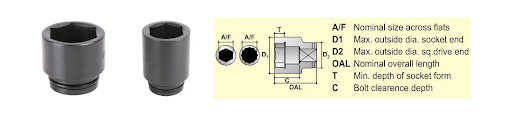
High-torque bolting places constant stress on both fasteners and the tools used to tighten them. When joints carry heavy loads or operate under vibration, even a small mismatch between the socket and the fastener can reduce torque transfer, wear the corners, or increase downtime. That is why selecting the right socket design matters as much as choosing the right tightening method. Many maintenance teams also work closely with a spline impact socket supplier to find socket designs that match demanding industrial jobs and improve tool life.
Why Standard Sockets Fall Short in Heavy-Duty Work
General-purpose sockets perform well for routine maintenance, but industrial bolting often demands more. High torque creates greater contact pressure between the socket and the fastener. If the socket cannot spread that force evenly, it may crack, deform, or damage the bolt head.
Specialized impact sockets use stronger materials, thicker walls where needed, and heat treatment that helps them handle repeated impact loads. Their design also improves grip, reducing the chance of slipping during powered tightening.
Matching Socket Designs to Different Fasteners
Industrial equipment rarely relies on a single fastener style. Each connection has its own load, access limits, and service needs. Using the correct socket keeps maintenance safe and efficient.
For example, a castellated nut socket is built to fit slotted nuts commonly found in heavy machinery and mechanical assemblies. Its shape allows secure engagement without damaging the nut, making removal and installation more controlled.
Spline sockets are another practical option. Their contact pattern spreads force across more surfaces, helping reduce wear on both the socket and the fastener when high torque is required.
Key Features That Improve Performance
A specialized socket does more than fit the fastener. Its design supports long-term reliability during demanding work.
Important features include:
- Strong alloy steel construction for repeated impact use
- Heat-treated surfaces for better wear resistance
- Accurate internal profiles for improved torque transfer
- Deep and shallow options for different access conditions
- Compatibility with impact tools used in industrial maintenance
These features help reduce replacement costs while improving consistency during assembly and repair.
Choosing the Right Socket for Long-Term Reliability
The best socket depends on the fastener type, torque level, work environment, and available tooling. Maintenance teams should also consider access space, inspection needs, and replacement frequency before selecting a solution. Working with an experienced spline impact socket supplier also helps ensure the chosen socket matches both the application and the required performance standard.
For More Info Visit:- beforeitbusiness.com