
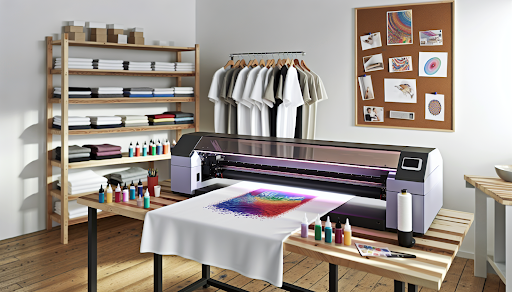
In the ever-evolving world of fashion, staying ahead with innovative printing techniques is crucial. One such method that has gained significant traction is Direct-to-Garment (DTG) printing. By understanding DTG garment printing, businesses can offer high-quality, custom designs with remarkable efficiency and precision. This article explores the significance of DTG printing in 2026, its benefits, and its potential impact on the fashion industry.
Understanding DTG Garment Printing
DTG garment printing is a modern technique that involves printing designs directly onto fabric using specialized inkjet technology. Unlike traditional screen printing, which requires separate screens for each color, DTG allows for full-color prints in a single pass. This technology is ideal for small batches and custom orders, making it increasingly popular among small businesses and independent designers.
Benefits of DTG Printing
The benefits of DTG printing extend beyond its ability to produce vibrant, full-color designs. Here are some key advantages:
- Customization: DTG printing allows for unlimited customization, making it perfect for personalized designs and limited edition collections.
- Quick Turnaround: Since it requires minimal setup, DTG printing can deliver quick results, which is essential for meeting fast-paced market demands.
- Eco-Friendly: DTG uses water-based inks that are less harmful to the environment compared to traditional methods that often rely on plastic-based inks.
- Cost-Effective for Small Orders: For businesses that handle small to medium-sized orders, DTG printing is cost-effective as it eliminates the need for expensive setup processes.
Applications in the Fashion Industry
DTG printing has found numerous applications in the fashion industry, especially in 2026, where the demand for unique and sustainable products is at an all-time high. Fashion brands are leveraging DTG technology to produce custom apparel, promotional merchandise, and even limited-edition art pieces. This flexibility allows designers to experiment with creative designs without the constraints of traditional printing methods.
Custom Apparel
One of the most significant applications of DTG printing is in custom apparel. Brands can now offer personalized t-shirts, hoodies, and other garments with intricate designs that cater to individual customer preferences. This level of personalization is a major selling point for consumers seeking unique fashion statements.
Promotional Merchandise
Promotional merchandise is another area where DTG printing shines. Companies can produce branded items such as tote bags, caps, and t-shirts with detailed logos and graphics. The ability to print in small quantities also makes it ideal for events and campaigns where specific branding is required.
Art and Design
Artists and designers are increasingly using DTG printing to bring their digital art to life. This technology allows for high-resolution prints that capture every detail of the original artwork. The result is a vibrant and long-lasting piece that can be sold as part of an exclusive collection.
Future Trends in DTG Printing
As we look to the future, several trends are set to shape the DTG printing landscape in 2026 and beyond. These trends reflect the growing demand for sustainable practices and innovative design solutions.
Sustainable Practices
Sustainability continues to be a driving force in the fashion industry. DTG printing supports this trend by using eco-friendly inks and reducing waste associated with traditional printing methods. As consumers become more environmentally conscious, the demand for sustainable fashion solutions will likely increase.
Technological Advancements
Advancements in technology are expected to enhance the capabilities of DTG printers. Future printers may offer faster speeds, improved print quality, and greater compatibility with a variety of fabrics. These improvements will make DTG printing even more appealing to businesses looking to stay competitive.
Integration with E-commerce
The rise of e-commerce has transformed how consumers shop for clothing. DTG printing is well-suited to this shift, allowing online retailers to offer custom designs with minimal inventory risk. As e-commerce platforms continue to evolve, DTG printing will play a crucial role in providing personalized shopping experiences.
Conclusion
In 2026, DTG garment printing stands out as a pivotal innovation in the fashion industry. Its ability to deliver high-quality, customizable, and eco-friendly prints makes it an attractive option for businesses and consumers alike. As technology continues to advance and sustainability becomes more important, DTG printing is poised to become an integral part of the fashion landscape. Understanding its benefits and applications will be key for those looking to harness its potential in the years to come.
 Renuka