
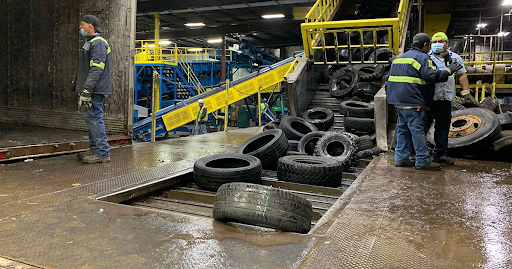
Australia generates millions of used tyres every year, posing a significant challenge for waste management and environmental sustainability. Without proper disposal, old tyres can become breeding grounds for pests, contribute to fire hazards, and occupy valuable landfill space. This is why tyre recycling has become an essential practice, transforming what was once a waste product into valuable resources. Through innovative recycling methods, tyres are now being shredded, repurposed, and reused in ways that benefit industries, infrastructure, and the environment.
Why Tyre Recycling is Essential in Australia
The rise of tyre waste has prompted the need for effective recycling solutions. With increasing focus on reducing carbon footprints, the Australian government and private industries are investing in systems that manage tyre disposal responsibly.
Environmental Concerns
Discarded tyres can take centuries to decompose, releasing harmful chemicals into the soil and water. By recycling, these risks are reduced, preventing pollution and protecting ecosystems.
Economic Benefits
Recycling tyres creates opportunities for new industries and job growth. Recovered materials are used in construction, manufacturing, and even energy production, adding significant economic value.
Legislative Push
Australia has strengthened regulations to ensure that tyres are managed responsibly, with businesses and individuals encouraged to use approved recycling facilities.
Common Tyre Recycling Methods
Different technologies and processes are employed to handle tyre waste efficiently. Each method addresses specific needs, from reducing waste volume to creating reusable materials.
Shredding and Chipping
One of the most common methods is shredding tyres into smaller pieces or chips. These are often used in road construction as part of asphalt mixes, playground surfaces, or even as lightweight fill in construction projects.
Crumbing
Tyres are processed into fine rubber crumbs, which are highly versatile. Crumb rubber is used in sports fields, running tracks, mats, and as a component in various industrial products. This method maximises material reuse while reducing reliance on virgin rubber.
Pyrolysis
Through high-temperature decomposition in the absence of oxygen, tyres can be broken down into oil, gas, and char. Pyrolysis is gaining traction as a sustainable solution because it produces alternative fuel sources and minimises landfill waste.
Devulcanization
This advanced method restores the elasticity of rubber by breaking the sulphur bonds that make it rigid. The recycled rubber can then be used in manufacturing new tyres and other rubber-based products, contributing to a circular economy.
Reuse Applications of Recycled Tyres
Beyond traditional recycling, tyres are being reused in creative and practical ways across Australia.
Civil Engineering Projects
Recycled tyres are often used as structural fill materials, drainage layers, or in road embankments. Their lightweight yet durable nature makes them suitable for large-scale infrastructure projects.
Energy Recovery
Tyres have a high calorific value, making them a source of alternative fuel in industries such as cement production. This process helps reduce dependence on fossil fuels while ensuring efficient waste management.
Everyday Uses
Old tyres find new life as furniture, garden beds, retaining walls, and safety barriers. These applications not only reduce waste but also add value through innovative design.
Challenges in Tyre Recycling
While progress has been made, challenges still exist in Australia’s tyre recycling efforts.
Collection and Logistics
Gathering tyres from remote areas can be costly and time-consuming, limiting recycling accessibility in some regions.
Market Demand
The success of recycling relies heavily on markets for recycled materials. Fluctuations in demand can affect the sustainability of tyre recycling initiatives.
Technology Costs
Advanced recycling methods, such as pyrolysis and devulcanization, require significant investment, making it more challenging for smaller operators to adopt these solutions.
Conclusion
From shredding and crumbing to advanced processes like pyrolysis, recycled tyres are being transformed into valuable resources that support industries and communities alike. However, for recycling efforts to be truly effective, they must be complemented by broader waste management strategies. In many cases, tyre recycling programs work hand in hand with systems such as skip bin recycling, ensuring that waste materials of all types are diverted from landfills and repurposed for future use. Together, these practices contribute to a cleaner, more sustainable future for Australia.
 Renuka
  David Martinez