
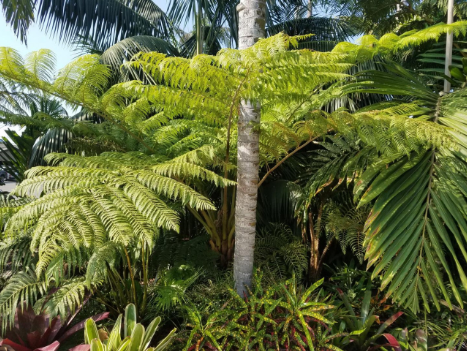
Palm trees are iconic elements in home landscaping, adding a tropical and elegant aesthetic to any garden or outdoor space. Known for their distinctive silhouettes, minimal maintenance needs, and ability to thrive in various climates, palm tree varieties have become a popular choice for homeowners looking to create a serene and visually appealing landscape. Selecting the right species can enhance curb appeal, provide shade, and even produce fruit in certain cases.
Why Choose Palm Trees for Landscaping
Palm trees offer numerous benefits beyond aesthetics, making them a versatile option for residential landscaping.
Key Advantages
- Visual Appeal: Their unique trunks and fronds create focal points and vertical interest.
- Low Maintenance: Many species require minimal pruning and are drought-tolerant.
- Shade and Shelter: Larger palms provide natural shade for patios and outdoor seating.
- Versatility: Suitable for garden beds, poolside areas, and decorative containers.
Popular Palm Tree Varieties
Queen Palm (Syagrus romanzoffiana)
The Queen Palm is a fast-growing and graceful palm, ideal for homeowners seeking a lush tropical look.
Features
- Smooth, straight trunk with feathery fronds
- Tolerates various soil types and moderate drought
- Produces small clusters of orange fruits that attract birds
Canary Island Date Palm (Phoenix canariensis)
A majestic palm with a wide crown, the Canary Island Date Palm adds grandeur to large landscapes.
Features
- Thick, textured trunk with dense, arching fronds
- Slow-growing but highly resilient
- Produces date-like fruits, though primarily ornamental
Pygmy Date Palm (Phoenix roebelenii)
Ideal for smaller spaces or container planting, the Pygmy Date Palm provides elegance without overwhelming the garden.
Features
- Slender trunk and fine-textured fronds
- Grows well in partial shade and indoor environments
- Produces small, edible fruits attractive to wildlife
Windmill Palm (Trachycarpus fortunei)
Windmill Palms are hardy palms suited to a range of climates, including cooler regions.
Features
- Fibrous trunk with fan-shaped fronds
- Cold-tolerant and adaptable to urban gardens
- Minimal fruit production, making it low-maintenance
Royal Palm (Roystonea regia)
The Royal Palm is a symbol of luxury, commonly used in formal landscaping and entranceways.
Features
- Tall, straight trunk with smooth gray bark
- Arching fronds that create a dramatic canopy
- Requires full sun and well-drained soil
Mediterranean Fan Palm (Chamaerops humilis)
A versatile palm suitable for both garden beds and container planting, known for its multi-trunk growth habit.
Features
- Clustering trunks with fan-shaped leaves
- Drought-resistant and low-maintenance
- Can be pruned to create decorative shapes
Tips for Planting and Maintaining Palm Trees
Soil and Drainage
- Ensure well-draining soil to prevent root rot
- Amend clay-heavy soil with sand or organic matter
Watering and Fertilization
- Newly planted palms require regular watering until established
- Use slow-release fertilizers formulated for palms to promote healthy growth
Pruning and Maintenance
- Remove dead or damaged fronds to maintain appearance
- Avoid over-pruning as healthy fronds are essential for growth and nutrient absorption
Pest and Disease Control
- Monitor for common pests like scale, spider mites, and palm weevils
- Use appropriate treatments and maintain plant health to reduce infestations
Conclusion
Palm trees are a versatile and attractive addition to any home landscape, offering beauty, shade, and even fruit in certain species. Popular varieties such as Queen Palm, Canary Island Date Palm, Pygmy Date Palm, Windmill Palm, and Royal Palm provide options for small gardens, large estates, and container planting. For homeowners seeking additional options for edible or decorative trees, fruit trees complement palm landscaping, adding seasonal color, natural produce, and enhanced biodiversity to outdoor spaces. Incorporating flowering shrubs and ornamental grasses alongside palms can further enhance texture and visual interest. Selecting drought-tolerant species ensures easier maintenance and sustainability in varying climates. Additionally, strategically placing palms near walkways or patios creates natural focal points and inviting outdoor areas. With careful planning, a combination of palms, fruit trees, and companion plants can transform any yard into a lush, tropical oasis.
 David Martinez
  Renuka