
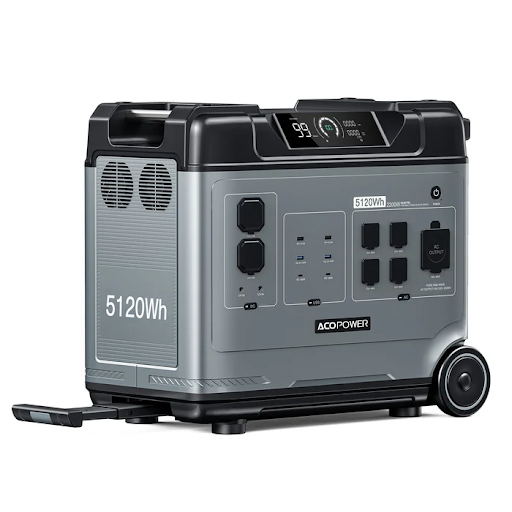
In today’s world, where almost every aspect of life depends on electricity, power reliability is no longer optional—it’s essential. From household electronics to sensitive medical equipment, devices require consistent and clean energy to operate effectively. This is why pure sine wave inverters have become a trusted solution for ensuring the safety and efficiency of appliances. Unlike modified inverters, these advanced systems deliver power in a way that closely mirrors utility-supplied electricity, safeguarding devices from potential damage.
This blog explores how pure sine wave inverters work, why they are critical for protecting appliances and equipment, and what advantages they offer for both home and professional use.
Understanding Pure Sine Wave Inverters
At their core, inverters are designed to convert direct current (DC) from batteries into alternating current (AC) that powers household and commercial appliances. What makes pure sine wave inverters different is the quality of that AC output.
- Pure sine wave output: Provides smooth, consistent, and stable power identical to what utility grids supply.
- Modified sine wave output: A less expensive but less precise form of power that can lead to inefficiency or even malfunction in sensitive equipment.
This distinction is crucial. Devices like laptops, refrigerators, air conditioners, and medical machines are engineered to run on clean AC power. When connected to an inverter that doesn’t match this standard, their performance and longevity are compromised.
Why Sensitive Appliances Need Pure Power
Many modern appliances are equipped with microprocessors and digital controls. These systems require a steady, uninterrupted flow of energy to function correctly. Power distortions can cause:
- Overheating of internal components.
- Erratic behavior, such as flickering screens or freezing.
- Shortened lifespan due to excessive wear.
For instance, equipment like CPAP machines, gaming consoles, or high-efficiency washing machines rely on accurate voltage and frequency to operate safely. Pure sine wave inverters provide exactly that, ensuring both performance and protection.
Protection Against Harmful Power Fluctuations
Electrical fluctuations are common in backup systems, especially when dealing with inconsistent energy sources like solar panels or portable power banks. A pure sine wave inverter ensures smooth conversion, shielding connected devices from risks such as:
- Voltage spikes: Preventing damage to power supplies and circuits.
- Harmonic distortion: Reducing wear on motors and audio-visual equipment.
- Noise interference: Delivering cleaner signals for devices like stereo systems or televisions.
By regulating power flow, these inverters minimize the stress on appliances, keeping them safe even under demanding conditions.
Applications Beyond Homes
The value of pure sine wave inverters extends far beyond residential needs. Their versatility makes them indispensable across various sectors:
- Medical Facilities: Hospitals and clinics rely on clean power for life-saving machines like ventilators and diagnostic equipment.
- Commercial Spaces: Offices with computer networks, servers, and communication systems need consistent energy to avoid downtime.
- Outdoor and Mobile Use: RVs, boats, and camping setups use inverters to run microwaves, refrigerators, and entertainment systems safely.
- Industrial Settings: Sensitive tools, measuring devices, and control systems require pure power for accurate operation.
In each case, reliability translates to safety, productivity, and cost savings.
Long-Term Savings and Reduced Maintenance
One of the overlooked benefits of investing in pure sine wave inverters is long-term cost efficiency. By protecting appliances from damage and reducing the risk of electrical issues, these inverters cut down on repair and replacement costs.
- Appliances last longer when powered correctly.
- Less maintenance is needed for both the inverter and the devices it supports.
- Energy efficiency reduces electricity bills when combined with renewable sources like solar panels.
While the upfront cost of a pure sine wave inverter may be higher than modified options, the return on investment is undeniable.
Choosing the Right Inverter
When selecting an inverter, consider:
- Power capacity: Ensure the inverter can handle the total load of connected appliances.
- Compatibility: Match it with your energy system, whether solar panels, batteries, or a generator.
- Certifications: Look for inverters that meet safety and efficiency standards.
- Durability: A robust design ensures reliable performance even in demanding conditions.
Consulting with professionals can help ensure the right match for your specific needs.
Enhancing Efficiency in Backup Power Systems
When paired with renewable energy setups or backup solutions, pure sine wave inverters play a critical role in overall efficiency. For example, households using a home backup generator can maximize the performance of their appliances by coupling it with a high-quality inverter. This ensures that the energy produced by the generator is transformed into the cleanest possible form of AC power, making it suitable for everything from lights to high-tech appliances.
This compatibility prevents waste, extends the life of both the generator and appliances, and provides peace of mind during outages.
Conclusion
Investing in pure sine wave inverters is more than just about powering appliances—it’s about protecting them, extending their lifespan, and ensuring reliable performance under any condition. From safeguarding sensitive electronics to enhancing backup power efficiency, these devices provide the peace of mind that every homeowner and business owner needs. Whether paired with a solar setup, a home backup generator, or industrial equipment, pure sine wave inverters stand out as the gold standard in power conversion.
 David Martinez
  Renuka