
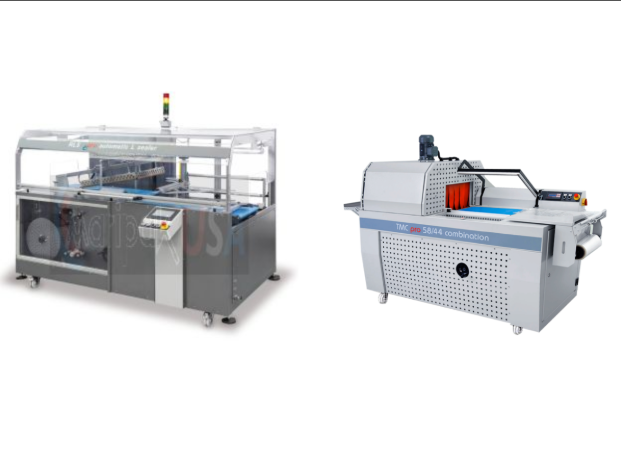
In modern packaging operations, speed and efficiency are critical for maintaining productivity. One piece of equipment that has become essential in this field is the semi-automatic l sealer machine. This machine is designed to streamline the sealing process, ensuring that businesses can meet high-volume demands without compromising on quality. But how fast can such a machine actually complete seals, and what factors influence its performance? Let’s explore in detail.
What is a Semi-Automatic L Sealer Machine?
A semi-automatic L sealer is a packaging device that uses an “L-shaped” sealing bar to cut and seal film around a product. It is typically used for wrapping items in shrink film, which is later heated to form a tight, protective covering. Unlike fully automatic systems, the semi-automatic model requires some operator involvement, usually in loading products and initiating the sealing cycle.
This machine is popular across industries such as food, pharmaceuticals, electronics, and retail because it offers a balance between manual labor and automation. It increases speed compared to hand-sealing while keeping costs lower than fully automated systems.
Average Sealing Speed
The sealing speed of a semi-automatic L sealer depends on several factors, but in general, these machines can complete 15 to 30 seals per minute. Smaller items with less complex packaging often move faster through the machine, while larger or irregular products may take slightly longer.
Key factors that influence speed include:
- Product Size and Shape – Compact, uniform products are quicker to wrap. Bulky or uneven items may need careful positioning.
- Film Type and Thickness – Thinner shrink films seal faster but may offer less durability, while thicker films provide strength but can slow down the process.
- Operator Efficiency – Since it’s semi-automatic, the operator’s speed in loading and unloading products plays a role.
- Machine Settings – Temperature, sealing time, and conveyor speed settings must be optimized for each product type.
- Maintenance and Calibration – A well-maintained machine operates at maximum speed and consistency, while worn parts can slow down sealing cycles.
How Semi-Automatic Models Compare to Other Sealers
- Manual Sealers – Typically much slower, as every step is done by hand. They’re suitable for very low production volumes.
- Semi Automatic Sealers – Offer a middle ground, handling moderate to high volumes efficiently while keeping costs manageable.
- Fully Automatic Sealers – Best for large-scale operations, often reaching speeds of 60+ seals per minute, but at a much higher investment cost.
Businesses often choose semi-automatic machines when they want to increase output without committing to the expense and complexity of fully automated systems.
Applications in Different Industries
- Food Industry – Wrapping bakery products, frozen foods, or confectionery items in clear shrink wrap to maintain freshness and shelf appeal.
- Pharmaceuticals – Sealing medicine boxes or medical supplies with tamper-evident packaging.
- Electronics – Providing dust protection and professional retail-ready presentation for gadgets.
- Retail Products – Ensuring clean and attractive packaging for cosmetics, books, toys, and more.
Benefits of Semi-Automatic L Sealers
- Consistent Quality – Produces neat, secure seals for a professional finish.
- Flexibility – Can handle a wide range of product sizes with minimal adjustments.
- Cost Efficiency – More affordable than fully automatic systems, making it ideal for small to medium businesses.
- Improved Speed vs. Manual Sealing – Greatly increases productivity without requiring a large workforce.
- User-Friendly – Simple controls and minimal training requirements for operators.
Enhancing Speed and Efficiency
If businesses want to maximize the speed of their semi-automatic L sealer machine, they can:
- Train operators to load products efficiently.
- Use the right film thickness for the product type.
- Maintain and service the machine regularly.
- Optimize temperature and dwell time settings to reduce wasted cycles.
Even small adjustments in workflow and machine care can significantly improve output rates.
Conclusion
A semi-automatic l sealer machine is a reliable and efficient tool for businesses aiming to improve packaging speed without incurring the high costs of full automation. With average sealing speeds of 15 to 30 products per minute, it strikes the right balance between efficiency and affordability. The exact speed depends on product size, film choice, and operator efficiency, but for many businesses, it delivers the productivity they need to stay competitive.
As packaging demands continue to rise, adopting equipment like semi-automatic sealers ensures that businesses can scale their operations smoothly. For those looking to further optimize packaging performance, pairing these sealers with heat-shrink wrapping machines can create a complete system that maximizes efficiency and output.
 David Martinez
  Renuka