
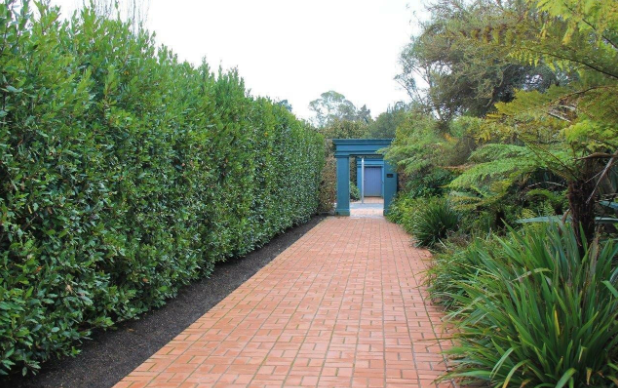
Creating a natural barrier with greenery is one of the most attractive and functional ways to enhance both privacy and aesthetics in your outdoor space. Depending on where you live, selecting the right Privacy Hedge Plants requires an understanding of climate zones, soil conditions, and plant characteristics to ensure long-term growth and coverage.
Understanding Climate Zones for Privacy Hedge Plants
The first step in choosing the right Privacy Hedge Plants is to identify your USDA or regional climate zone. In colder climates, evergreen species like arborvitae and yew provide year-round coverage and can withstand frosty conditions. In warmer regions, plants such as bamboo, ficus, and certain holly varieties thrive due to their heat tolerance and fast growth. Each plant has specific temperature thresholds, so selecting varieties adapted to your climate will reduce maintenance and replacement costs over time.
Best Privacy Hedge Plants for Cold Climates
For areas with harsh winters, Privacy Hedge Plants need to tolerate freezing temperatures and heavy snow. Arborvitae is one of the most popular options, with its dense foliage and conical growth habit. Yew is another cold-hardy option, offering deep green needles and the ability to be pruned into neat shapes. Boxwood can also be a good choice for moderate cold zones, providing a compact hedge that maintains its form throughout the year. These species not only provide privacy but also resist damage from frost and ice accumulation.
Best Privacy Hedge Plants for Warm and Humid Climates
In tropical and subtropical climates, Privacy Hedge Plants should handle high humidity and intense sunlight. Bamboo is a standout option due to its rapid growth and tall screening capability. Ficus species like Ficus benjamina create lush, green walls that are ideal for humid areas, though they require regular trimming to maintain shape. Viburnum is another heat-tolerant option that produces attractive flowers while still serving as an effective privacy barrier. These choices flourish in warm conditions and offer vibrant color in addition to screening benefits.
Best Privacy Hedge Plants for Dry and Arid Climates
Gardeners in dry regions need Privacy Hedge Plants that can thrive with minimal water. Oleander is a popular pick, known for its drought tolerance and colorful blooms. Texas sage offers silver foliage and purple flowers, making it both decorative and functional. Juniper varieties provide excellent screening in arid zones, with strong drought resistance and evergreen coverage. Choosing low-water plants reduces irrigation needs and keeps your hedge healthy even during long dry spells.
Matching Privacy Hedge Plants to Soil Types
Soil quality plays a crucial role in the success of Privacy Hedge Plants. Clay-heavy soils retain moisture, which benefits plants like willows and particular holly species. Sandy soils drain quickly, making them suitable for drought-tolerant plants like juniper and oleander. Loamy soil, with its balanced drainage and nutrient levels, supports a wide range of hedge plants, from boxwood to viburnum. Testing your soil before planting ensures you choose species that will establish quickly and grow vigorously.
Maintenance Tips for Long-Lasting Privacy Hedge Plants
Regardless of climate or soil, Privacy Hedge Plants require proper maintenance to remain dense and healthy. Regular pruning encourages thicker growth and keeps hedges at the desired height. Fertilizing in the growing season promotes strong root development and lush foliage. Monitoring for pests and diseases prevents damage that could create gaps in your hedge. Installing drip irrigation or soaker hoses helps maintain consistent moisture levels, especially in dry periods, ensuring the plants stay green and full.
Final Thoughts
Selecting the right Privacy Hedge Plants for your climate zone and soil type not only enhances your property’s privacy but also boosts its overall appeal. By matching species to environmental conditions and maintaining them with care, you can enjoy a lush, natural barrier for years. For those seeking more substantial or long-term solutions, incorporating Privacy Trees into your landscaping plan can provide even greater height, coverage, and year-round beauty.
 David Martinez
  Renuka