
Lighting is a crucial component of any business environment, influencing not only the aesthetics of a space but also its energy consumption and productivity levels. To optimize lighting and reduce energy costs, many businesses are turning to advanced Lighting Control Systems. These systems offer customized control over lighting, helping companies achieve a balance between cost efficiency and an ideal work environment. In this comprehensive guide, we will explore how to choose the right lighting control system for your business, ensuring it meets your specific needs and goals.
1. Understanding the Basics of Lighting Control Systems
A Lighting Control System allows users to manage and automate their lighting setup. These systems are made up of devices such as switches, sensors, dimmers, and control panels that work together to regulate indoor lighting. The primary goal is to provide more flexibility, improve energy efficiency, and reduce operational costs. Whether you operate an office, warehouse, or retail space, lighting control helps ensure that your environment is appropriately lit based on activity, time of day, or occupancy.
2. Types of Lighting Control Systems
When considering a lighting control system for your business, it’s important to understand the different types available:
- Manual Control Systems: These are basic systems where employees can adjust lights manually using switches, dimmers, or occupancy sensors. While simple, they offer limited flexibility.
- Automated Lighting Control Systems: These systems automatically adjust lighting based on preset conditions, such as ambient light levels, occupancy, or time of day. Automated systems can significantly reduce energy costs by ensuring that lights are only on when needed.
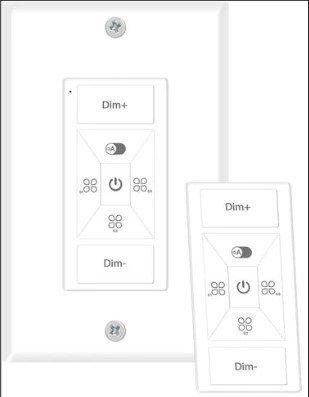
- Indoor Smart Lighting Panels: These are more sophisticated systems that use smart technology to offer advanced control over lighting. Through an indoor smart lighting panel, users can manage individual lights, set schedules, and even integrate voice control or mobile apps for convenience.
- Wireless Control Systems: These systems connect devices wirelessly, reducing the need for complex wiring and installation. Wireless control is ideal for businesses that want flexibility and scalability in their lighting setup.
3. Key Factors to Consider When Choosing a Lighting Control System
Several factors will influence your decision when selecting a lighting control system. Here’s what to consider:
Energy Efficiency
One of the most important benefits of lighting control systems is their ability to improve energy efficiency. Look for systems that include sensors for daylight harvesting or occupancy detection. These sensors will automatically dim or turn off lights in areas that are not in use or where natural light is sufficient. Reducing energy consumption leads to lower utility bills and a smaller carbon footprint, which is crucial for businesses aiming for sustainability.
Ease of Use and Flexibility
The lighting control system you choose should be intuitive and easy to operate for your team. Some systems feature complex controls, while others are user-friendly and can be managed through mobile apps or indoor smart lighting panels. Evaluate whether the system can be easily adjusted to suit different environments and lighting needs as your business grows.
Scalability
As your business expands, you may need to adjust your lighting setup. Choose a system that can scale with your company’s needs. Whether it’s adding new sensors, adjusting zones, or integrating additional smart devices, scalability ensures that the lighting control system can grow alongside your business.
Integration with Other Smart Systems
For businesses already using smart technologies, such as HVAC or security systems, it is important to choose a lighting control system that can be integrated with these systems. This enables seamless automation across various functions, leading to even more efficiency. Indoor smart lighting panels, for example, can often integrate with other systems for full control under one interface.
Cost and Return on Investment
The upfront cost of a lighting control system can vary significantly, depending on the complexity and features. However, consider the long-term savings that come with reduced energy usage and increased operational efficiency. A well-chosen system can deliver a solid return on investment (ROI) by lowering electricity costs and improving employee satisfaction through better lighting environments.
Conclusion
Choosing the right lighting control system is essential for any business looking to optimize their lighting setup. By considering factors such as energy efficiency, ease of use, scalability, and integration, you can select a system that best meets your needs. Whether you’re looking for a simple manual control solution or an advanced indoor smart lighting panel, the right system can significantly improve your business’s energy usage, productivity, and overall environment. Investing in modern lighting control will not only enhance your workspace but also provide lasting savings and a more sustainable future with improved indoor lighting solutions.
 David Martinez
  Renuka